

 English
 中文简体
中文简体 Español
Content
- 1 How Built-In Sensors Enable Automatic Adjustment
- 2 Comparing Smart Dryers to Traditional Fixed-Setting Models
- 3 How Overheating Protection Reduces Hair Damage Risk
- 4 Faster, More Efficient Drying Through Adaptive Airflow
- 5 Personalization Features Beyond Basic Sensor Adjustment
- 6 Weight and Ergonomic Considerations
- 7 Who Benefits Most From an AI Smart Blow Dryer
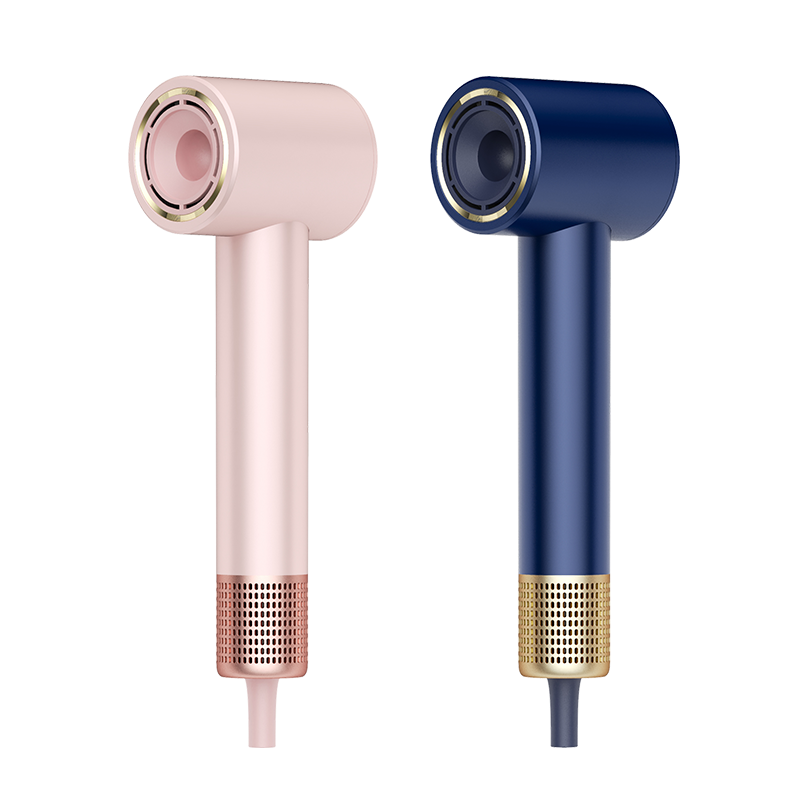
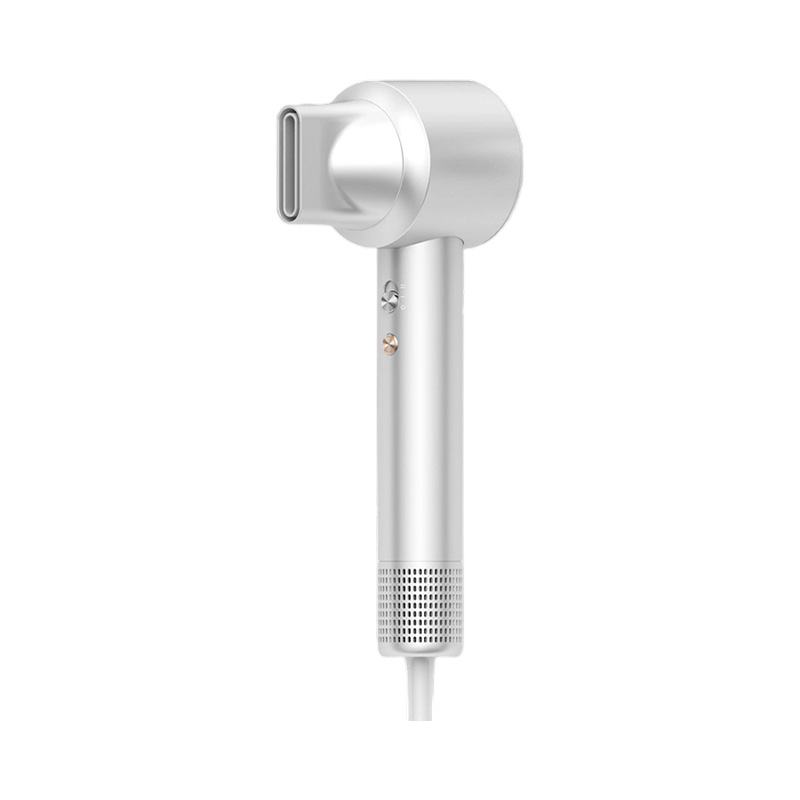
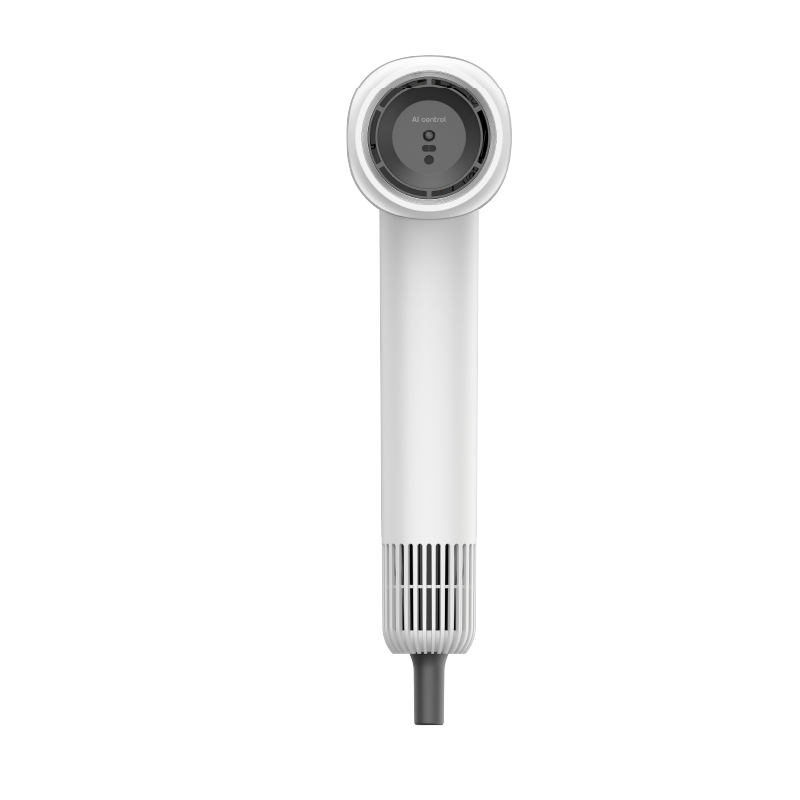
An AI smart blow dryer is a hair dryer equipped with built-in temperature and moisture sensors connected to a microprocessor that automatically adjusts heat output and airflow intensity in real time based on hair condition, distance from the scalp, and moisture levels detected during use. Unlike traditional dryers that rely on fixed heat settings selected manually by the user, this sensor-driven approach continuously monitors conditions throughout the drying process, reducing the risk of overheating specific sections while still achieving efficient overall drying performance. Hair care technology testing commonly referenced by appliance manufacturers shows that intelligent temperature regulation can reduce localized heat exposure by a significant margin compared to manually set fixed-heat dryers, directly addressing one of the most common causes of heat-related hair damage from daily styling.
How Built-In Sensors Enable Automatic Adjustment
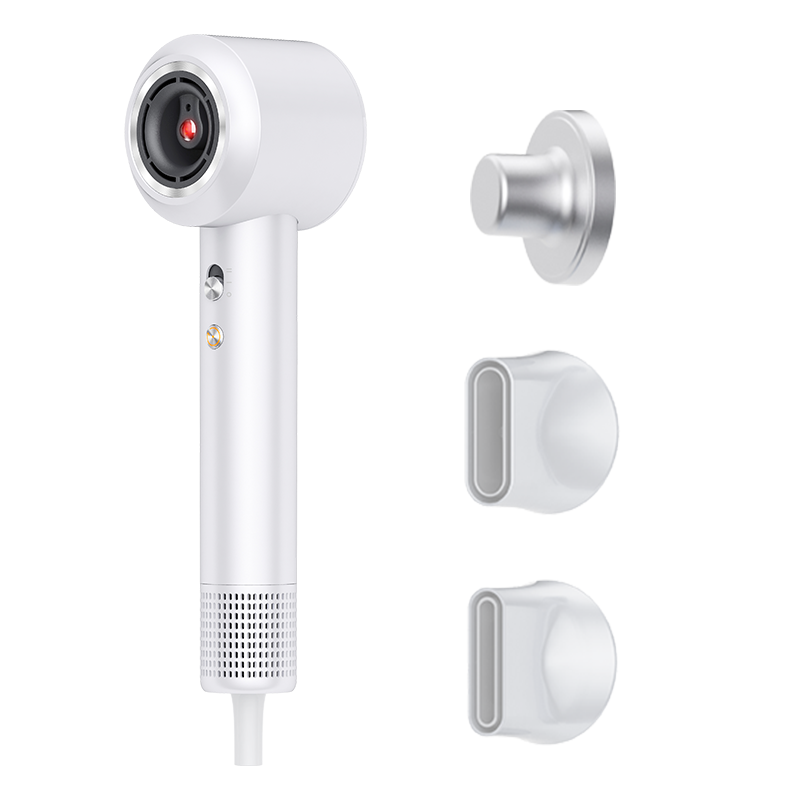
The defining feature separating an AI smart blow dryer from a standard model is its network of embedded sensors that continuously gather data during operation, feeding this information to an internal processor that makes real-time adjustments.
Core Sensor Functions
- Temperature sensors monitor airflow heat at the nozzle to prevent output from exceeding safe thresholds
- Distance sensors detect how close the dryer is being held to the hair or scalp, adjusting intensity accordingly
- Moisture sensors gauge how wet the hair remains, gradually reducing heat as drying progresses toward completion
An AI Smart Blow Dryer equipped with this sensor array can respond to changing conditions throughout a single drying session, rather than maintaining the same fixed heat and airflow setting from start to finish regardless of how the hair's moisture level changes over time.
Comparing Smart Dryers to Traditional Fixed-Setting Models
Understanding how AI smart dryers differ from conventional models helps clarify why this technology has gained attention among consumers concerned about both styling efficiency and long-term hair health.
Functional Comparison
| Dryer Type | Heat Adjustment Method | Responsiveness During Use |
| Traditional dryer | Manual, fixed heat settings | Static throughout the session |
| AI smart dryer | Automatic, sensor-driven adjustment | Continuously adapts throughout the session |
This continuous adaptability means a smart dryer can apply higher heat early in the drying process when hair is very wet, then automatically reduce output as moisture decreases, closely mimicking the kind of manual heat adjustments an experienced stylist might make throughout a blowout.
How Overheating Protection Reduces Hair Damage Risk
One of the most practical benefits of intelligent temperature regulation is its ability to prevent the localized overheating that commonly occurs when a traditional dryer is held too close to one section of hair for an extended period.
Why Overheating Commonly Occurs With Standard Dryers
With a fixed-setting dryer, users must manually judge safe distance and duration, and inconsistent technique, particularly when someone is tired or rushing, can result in prolonged heat exposure to the same hair section, gradually weakening the cuticle layer over repeated styling sessions.
How Automatic Regulation Addresses This Risk
By detecting when the dryer is held unusually close or lingers too long in one area, the smart system can automatically reduce heat output or trigger an alert, helping prevent the cumulative thermal stress that contributes to dryness, brittleness, and split ends over time.
Faster, More Efficient Drying Through Adaptive Airflow
Beyond heat management, many AI smart dryers also adjust airflow intensity based on real-time moisture readings, which can improve overall drying efficiency compared to a single fixed airflow setting.
How Adaptive Airflow Improves Efficiency
- Higher airflow is applied automatically when hair is very wet, accelerating initial moisture removal
- Airflow gradually moderates as hair approaches full dryness, reducing unnecessary continued high-intensity output
- This dynamic adjustment can reduce total drying time compared to running a single fixed setting throughout the entire session
This responsiveness allows the dryer to work more efficiently across different hair thicknesses and moisture levels without requiring the user to manually switch settings partway through the drying process.
Personalization Features Beyond Basic Sensor Adjustment
Many AI smart blow dryers extend beyond core temperature and airflow sensing to include additional personalization features that further tailor the drying experience to individual hair types and preferences.
Common Additional Smart Features
- Hair type profiles that let users select settings tailored to fine, thick, or chemically treated hair
- Companion app connectivity that tracks usage patterns and suggests optimal settings over time
- Scalp temperature monitoring that provides an additional layer of protection during close-range use near the roots
These personalization layers allow an AI Smart Blow Dryer to adapt not just to real-time moisture and heat conditions, but also to the specific hair type and styling habits of the individual user, offering a more tailored experience than a standard one-size-fits-all approach.
Weight and Ergonomic Considerations
Because these devices house additional sensor and processing components, weight and ergonomic design remain important practical factors worth considering alongside the smart functionality itself.
Balancing Technology With Handling Comfort
Well-engineered smart dryers integrate sensor components without significantly increasing overall device weight, since a heavier unit can offset some of the comfort benefits gained from reduced heat exposure by introducing arm fatigue during extended styling sessions.
Who Benefits Most From an AI Smart Blow Dryer
Individuals with color-treated, chemically processed, or naturally fragile hair benefit significantly from the automatic overheating protection an AI Smart Blow Dryer provides, since these hair types are generally more susceptible to heat-related damage than untreated hair. Busy individuals looking to streamline their morning routine also gain practical value from the adaptive airflow efficiency, while anyone new to blow drying technique can benefit from the built-in protection that compensates for inconsistent manual heat and distance judgment during the learning process.
 Previous

 +86-574-63982198
 +86-574-63982197
 No. 933, Lingxu 2nd Road, Binhai Economic Development Zone, Cixi, Zhejiang, China.