

 English
 中文简体
中文简体 Español
Content
- 1 How the Digital Motor Enables Faster Airflow
- 2 Comparing Airflow and Temperature to Conventional Dryers
- 3 How Reduced Heat Exposure Affects Hair Health
- 4 Additional Features Commonly Found in High-Speed Dryers
- 5 Weight and Ergonomic Design Considerations
- 6 Noise Level Differences Compared to Conventional Dryers
- 7 Who Benefits Most From Using a High-Speed Hair Dryer
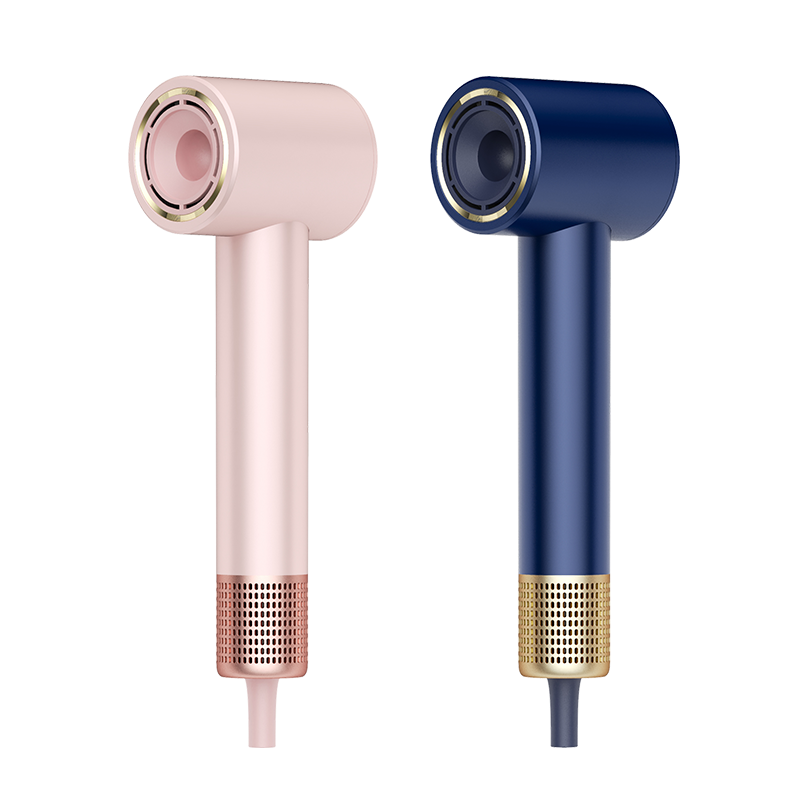
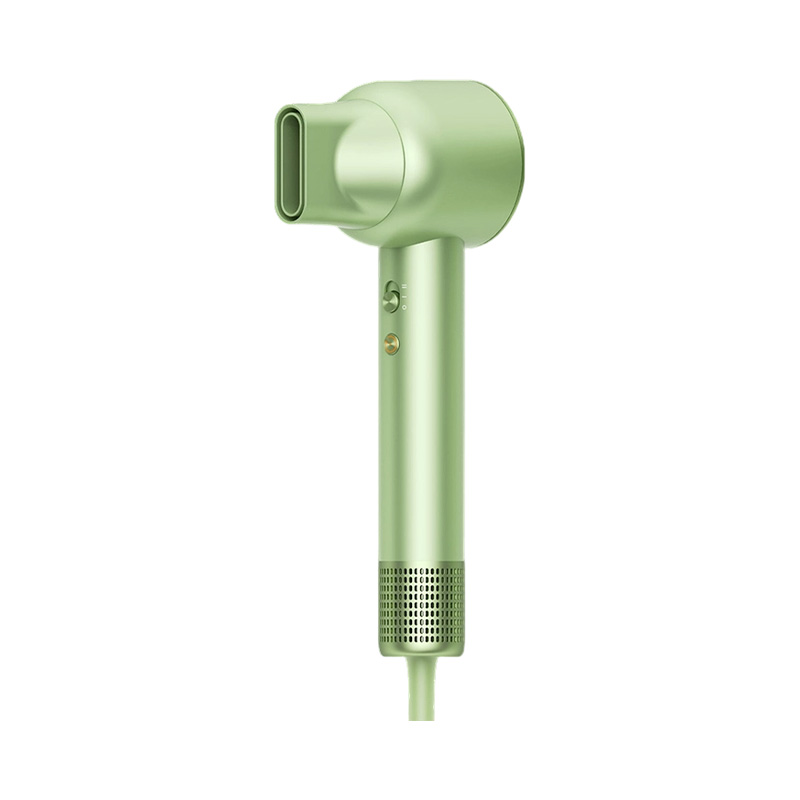
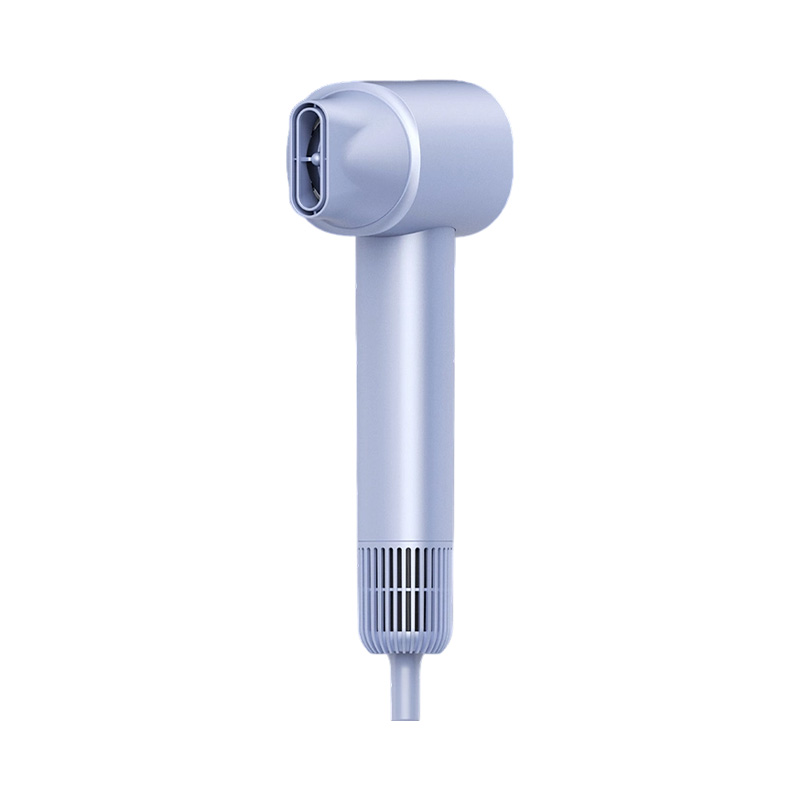
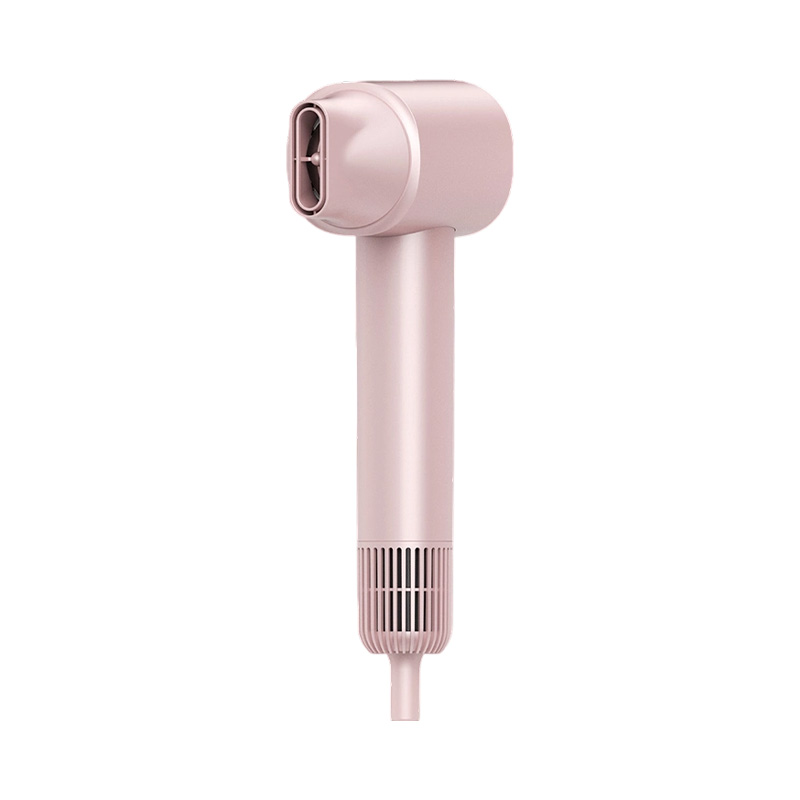
A high-speed hair dryer is a hair dryer built around a compact, high-revolution digital motor that generates significantly stronger and faster airflow than a traditional dryer, allowing hair to dry in less time while typically operating at lower heat settings. This combination of higher air velocity and controlled, moderate temperature is what distinguishes high-speed dryers from conventional models, which often rely more heavily on higher heat output to compensate for weaker airflow. Manufacturer testing commonly cited across the hair care appliance industry shows that high-speed dryers using digital brushless motors can spin at speeds of 100,000 revolutions per minute or higher, compared to roughly 20,000 to 30,000 RPM in standard conventional hair dryer motors, which is the core engineering difference behind their faster drying performance.
How the Digital Motor Enables Faster Airflow
The defining component of a high-speed hair dryer is its digital motor, a compact brushless design that spins at dramatically higher speeds than the motors found in standard hair dryers, directly translating into stronger airflow output.
Key Motor Advantages
- Brushless digital motors generate higher rotational speed within a smaller physical footprint
- Increased air velocity moves more air volume per second compared to conventional motor designs
- Reduced reliance on excessive heat allows drying to occur primarily through mechanical airflow force rather than thermal evaporation alone
A high-speed hair dryer equipped with this motor technology can achieve noticeably shorter drying times, since the increased airflow accelerates moisture evaporation from the hair shaft more efficiently than heat exposure alone.
Comparing Airflow and Temperature to Conventional Dryers
Understanding how high-speed dryers differ from conventional models helps clarify why this technology has become popular among users concerned about both drying speed and hair health.
Performance Comparison
| Dryer Type | Typical Motor Speed | Primary Drying Mechanism |
| Conventional hair dryer | 20,000 to 30,000 RPM | Higher heat output |
| High-speed hair dryer | 100,000 RPM or higher | Increased airflow velocity |
This shift from heat-dependent drying to airflow-dependent drying is a meaningful distinction, since it allows high-speed dryers to reduce drying time without necessarily exposing hair to the same level of prolonged heat stress associated with slower conventional models.
How Reduced Heat Exposure Affects Hair Health
One of the most commonly cited benefits of high-speed hair dryers is their potential to reduce heat-related hair damage, since faster drying time means less cumulative heat exposure during each use.
Why Heat Duration Matters for Hair Structure
Prolonged exposure to high heat can weaken the hair's outer cuticle layer, leading to increased dryness, frizz, and brittleness over repeated styling sessions, which is why reducing overall drying time can meaningfully benefit long-term hair condition.
Balancing Airflow and Heat Settings
Many high-speed dryers include multiple heat and speed setting combinations, allowing users to select lower heat levels while still achieving fast drying through increased airflow, rather than relying on maximum heat output to compensate for weaker air movement.
Additional Features Commonly Found in High-Speed Dryers
Beyond the core motor technology, high-speed hair dryers often include supporting features designed to further protect hair health and improve overall styling versatility.
Common Supporting Technologies
- Ionic technology that helps reduce static and frizz by breaking down water droplets more efficiently
- Temperature sensors that automatically adjust heat output to prevent excessive scalp or hair temperature
- Multiple attachment options, such as concentrator nozzles or diffusers, for different styling needs
These supporting features work alongside the high-speed motor to create a more complete styling tool, rather than relying on airflow speed as the sole factor differentiating the product from conventional alternatives.
Weight and Ergonomic Design Considerations
Because high-speed dryers use a more compact motor design, many models are also noticeably lighter than traditional hair dryers, which affects user comfort during extended styling sessions.
Why Weight Matters During Use
A lighter dryer reduces arm fatigue during longer styling routines, particularly for users with thick or long hair that requires extended drying and styling time, making ergonomic design an important practical consideration alongside raw performance specifications.
Motor Placement and Balance
Some high-speed dryer designs position the compact motor within the handle rather than the main housing, which can shift the device's center of gravity and further improve handling comfort during use.
Noise Level Differences Compared to Conventional Dryers
The higher motor speeds in high-speed hair dryers can produce a different sound profile compared to conventional models, which is worth considering for users sensitive to appliance noise levels.
Understanding the Noise Trade-Off
While high-speed motors can generate a higher-pitched operating sound due to their increased rotational speed, many manufacturers incorporate noise reduction engineering to keep overall sound levels comparable to or quieter than standard dryers, despite the significant increase in motor speed.
Who Benefits Most From Using a High-Speed Hair Dryer
Individuals with thick, long, or frequently styled hair benefit significantly from the reduced drying time a high-speed hair dryer provides, since less time under heat exposure directly supports better long-term hair health. Salon professionals managing multiple clients throughout the day also benefit from the efficiency gains, since faster drying times allow for quicker service turnover without compromising styling quality, while everyday users simply looking to reduce their morning routine time find the combination of speed and lighter device weight particularly practical for daily use.
 Previous

 +86-574-63982198
 +86-574-63982197
 No. 933, Lingxu 2nd Road, Binhai Economic Development Zone, Cixi, Zhejiang, China.