

 English
 中文简体
中文简体 Español
Content
- 1 Carry-On or Checked Bag: Where a Hair Dryer Should Go
- 2 What Security Screening Looks For
- 3 Lithium Battery Rules for Cordless Dryers
- 4 Butane and Gas Powered Tools Are a Different Category
- 5 Voltage and Wattage: The Problem Most Travelers Miss
- 6 What Makes a Hair Dryer Travel Friendly
- 7 What Brands Look for in a Travel Hair Dryer
- 8 Hair Dryer on a Plane: Common Questions
Can you bring a hair dryer on a plane? Yes, in both carry-on and checked baggage. A corded hair dryer is not on the TSA prohibited items list, and no major airline bans it. The rules only tighten in three specific places: gas or butane powered styling tools, cordless dryers that run on lithium batteries, and the voltage difference between countries. Get those three right and your dryer will clear security and still work at the hotel.
What follows is what security officers actually screen for, where the packing limits sit, and how to choose a dryer you can fly with every week.
Carry-On or Checked Bag: Where a Hair Dryer Should Go
For an ordinary corded hair dryer, neither option is restricted. Carry it on and it stays with you; check it and it travels in the hold like any other appliance. The decision is practical rather than legal.
Carry-on is the better home for a hair dryer on most trips. Screening rarely flags it, the bag stays with you when a connection is tight, and nothing heavy can press on the housing. The trade-off is space, since a full size dryer with a long cord can take up a third of a small cabin bag.
Checked baggage suits travelers who need the cabin space or who accept some risk to their belongings. If you check a dryer, wrap it in clothing and place it in the middle of the bag, away from wheels, frames and hard camera equipment.
| Item | Carry-on | Checked baggage | Reason |
|---|---|---|---|
| Corded hair dryer | Allowed | Allowed | Not classified as a restricted item |
| Cordless dryer, battery installed | Allowed | Allowed on most airlines | Battery sits inside the device |
| Spare lithium battery | Allowed | Not allowed | Must travel in the cabin |
| Battery above 160 watt hours | Not allowed | Not allowed | Exceeds the lithium limit |
| Butane or gas cartridge tool | Restricted | Restricted | Treated as hazardous material |
| Plug adapter for a dryer | Allowed | Allowed | An adapter is not a power converter |
The pattern in the table is worth noticing: restrictions follow the power source, not the appliance.
What Security Screening Looks For
A hair dryer contains a motor, a heating element and a metal housing. On an X-ray image that reads as a dense, unfamiliar shape, which is why a screener occasionally pulls the bag for a second look. Nothing is wrong and nothing is prohibited, but in some airports you will be asked to take the dryer out and place it in a tray.
Four habits keep the checkpoint smooth:
- Wind the cord loosely and hold it with a strap or twist tie so it does not tangle with other electronics.
- Keep the dryer in an outer pocket or near the top of the bag during peak travel periods.
- Pack small nozzles and diffusers together so nothing rolls loose in the tray.
- Leave the label or manual with the dryer if it is new, mainly as a reminder of its voltage rating.
Screening officers are looking for batteries and flammables. A plain corded dryer contains neither.
Lithium Battery Rules for Cordless Dryers
Cordless dryers and any styling tool with a rechargeable battery follow lithium battery rules that most airlines apply in the same way.
- Batteries rated under 100 watt hours may travel inside a device in carry-on and, on most carriers, in checked baggage.
- Spare batteries and power banks must stay in the cabin. They are not allowed in checked bags.
- Batteries between 100 and 160 watt hours need airline approval before departure.
- Batteries above 160 watt hours are not permitted at all.
- Devices in checked bags should be switched off and protected from accidental activation.
Most battery powered travel dryers sit well under 100 watt hours, so the practical rule is short: the spare cell travels in the cabin, never in the hold.
Butane and Gas Powered Tools Are a Different Category
If a styling tool burns butane or another gas, the rules change completely. Gas cartridges are treated as hazardous materials, and most airlines refuse them in both carry-on and checked baggage. A butane curling iron is not the same category of item as an electric hair dryer, even when both are sold as travel tools. If you own one, confirm with the airline before you pack it, and expect a refusal. An electric dryer removes the question entirely.
Voltage and Wattage: The Problem Most Travelers Miss
The most common travel problem with hair dryers is not security. It is electricity.
- North America, parts of South America and Japan run on roughly 100 to 120 volts.
- Europe, the United Kingdom, Australia and most of Asia run on 220 to 240 volts.
- A plug adapter changes the shape of the pins. It does nothing to the voltage.
Check the label on the handle. A dryer marked 100 to 240 volts is dual voltage and needs only a plug adapter. A dryer marked 120 volts only needs a step-up converter in a 230 volt country, and hair dryers are among the hardest appliances to convert. A typical model draws 1200 to 1800 watts, while inexpensive travel converters are rated for 50 to 100 watts. Using one anyway risks a burnt converter, a tripped breaker or a dead dryer. Heavy duty converters rated for 2000 watts are bulky, heavy and often cost more than a compact dual voltage dryer.
Two sensible options remain: use the hotel dryer and accept weaker airflow, or travel with a dryer built for the road.
What Makes a Hair Dryer Travel Friendly
Five specifications matter when you buy a dryer for flying:
- Dual voltage, 100 to 240 volts, so one unit works on every trip.
- A compact or folding body that fits a cabin bag side pocket.
- Low weight, ideally under 0.5 kg.
- A brushless high speed motor, which dries faster with less heat and often at a lower wattage.
- Temperature control instead of a single fixed heat setting.
If you want the technical background on how brushless motors compare with conventional models, this comparison of high speed and regular hair dryers explains the airflow and heat differences in plain terms.
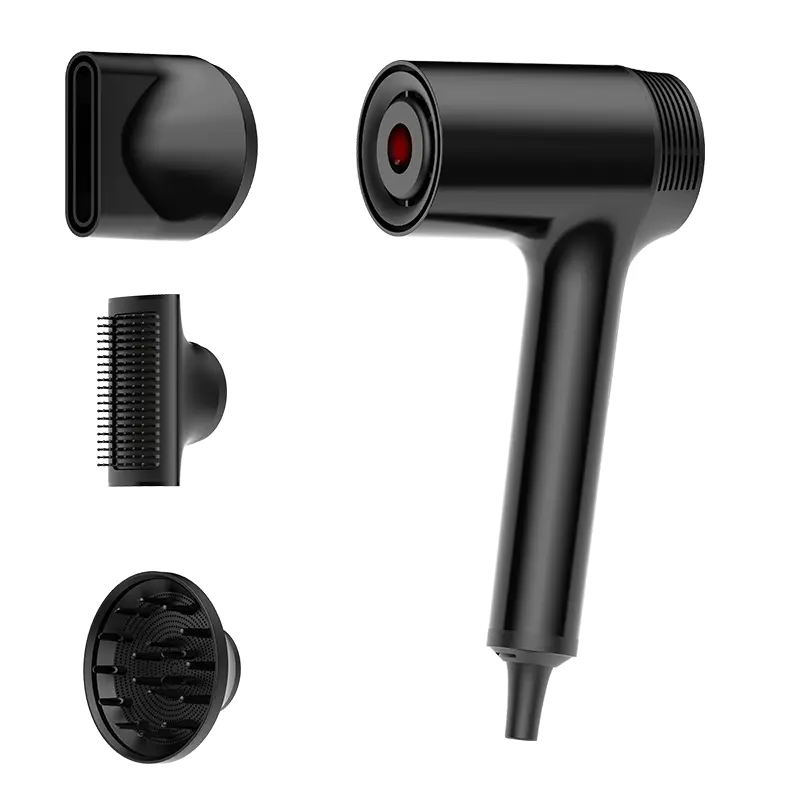
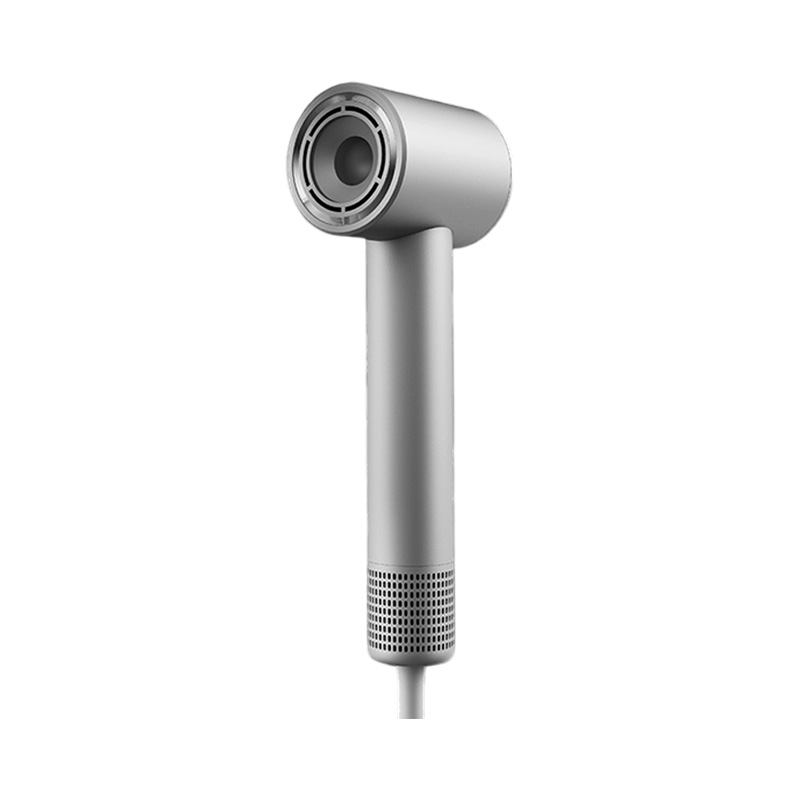
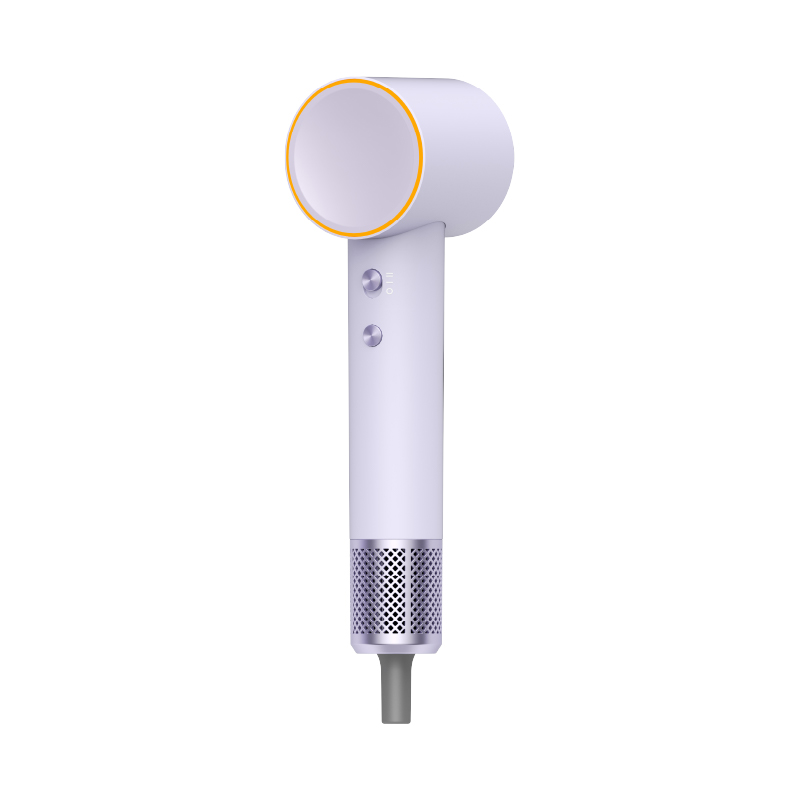
Portable platforms built around those priorities are the usual answer for frequent flyers. One example from our range is below.
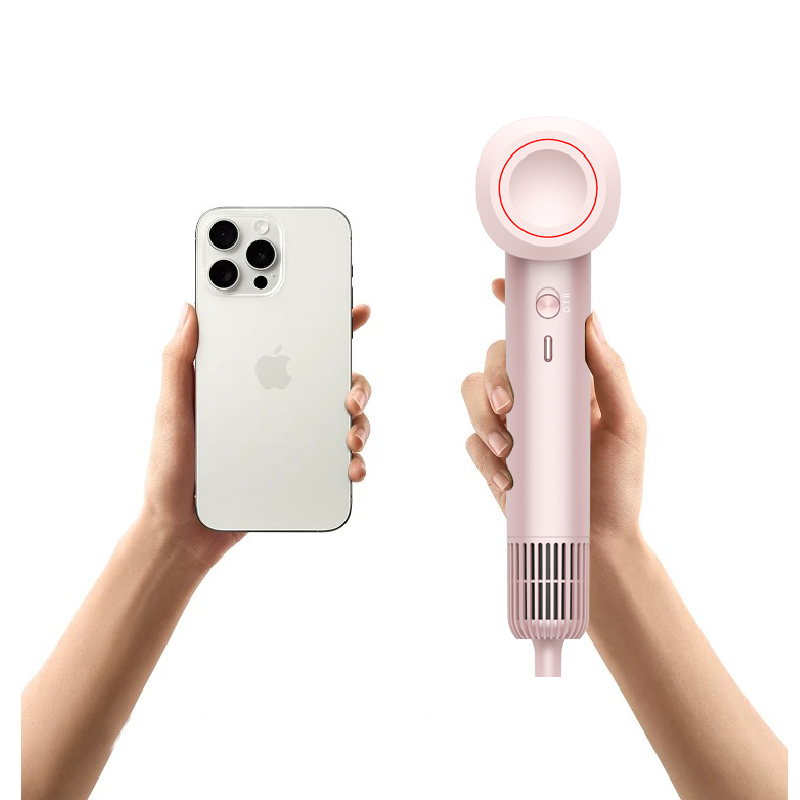 KH-807 Portable High Speed Hair DryerPortable high-speed dryer with adjustable speeds, low-noise operation, 200 million negative ions and dual voltage options for frequent flyers and travel retail buyers.View Product →
What Brands Look for in a Travel Hair Dryer
Buyers sourcing dryers for airlines, hotels, duty free and travel retail ask a narrower set of questions than a consumer does. The purchase brief usually reads like this:
- Dual voltage across 100 to 240 volts with automatic switching.
- Weight under 400 grams to support cabin bag positioning.
- A folding or short handle that fits a compact packing footprint.
- Overheat protection and thermal cut off for use in hotel bathrooms.
- Certification paperwork and plug variants for the destination market.
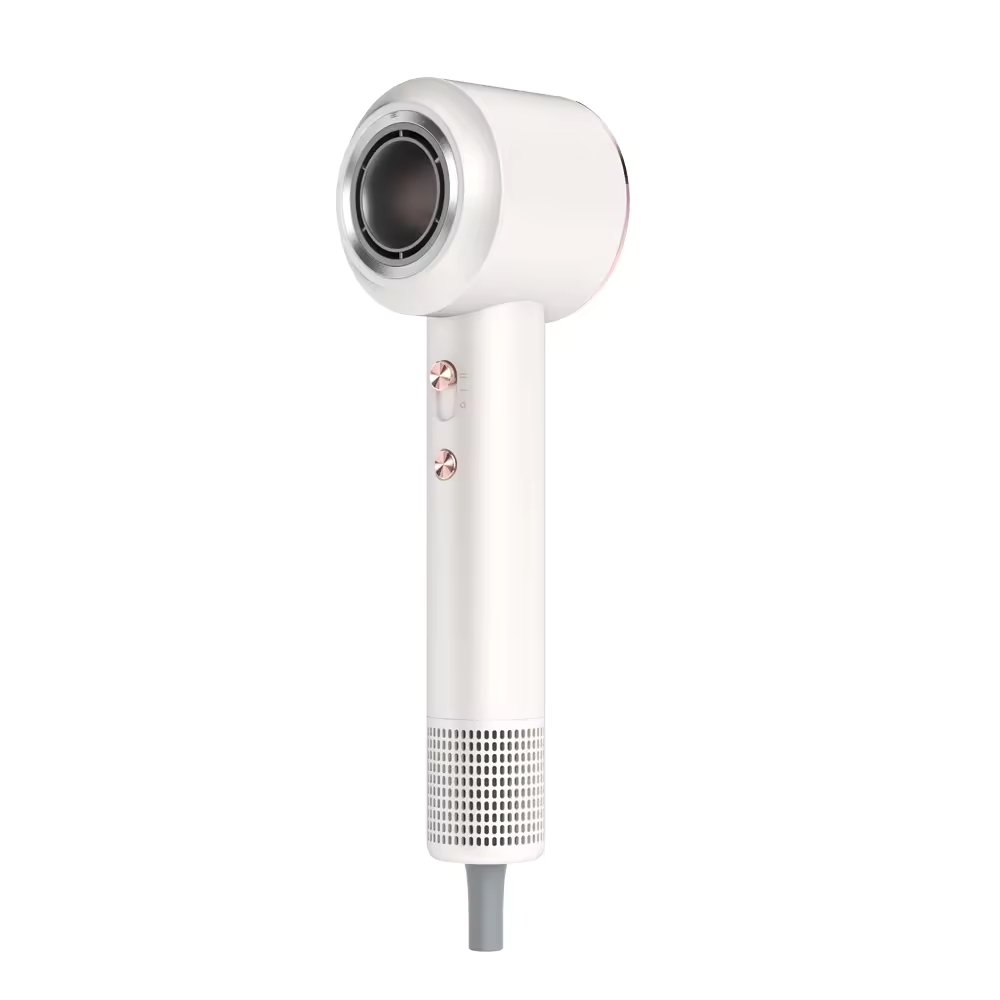
Mini and portable platforms answer most of that list. One model in that space pairs a small body with travel friendly power handling and intelligent heat regulation.
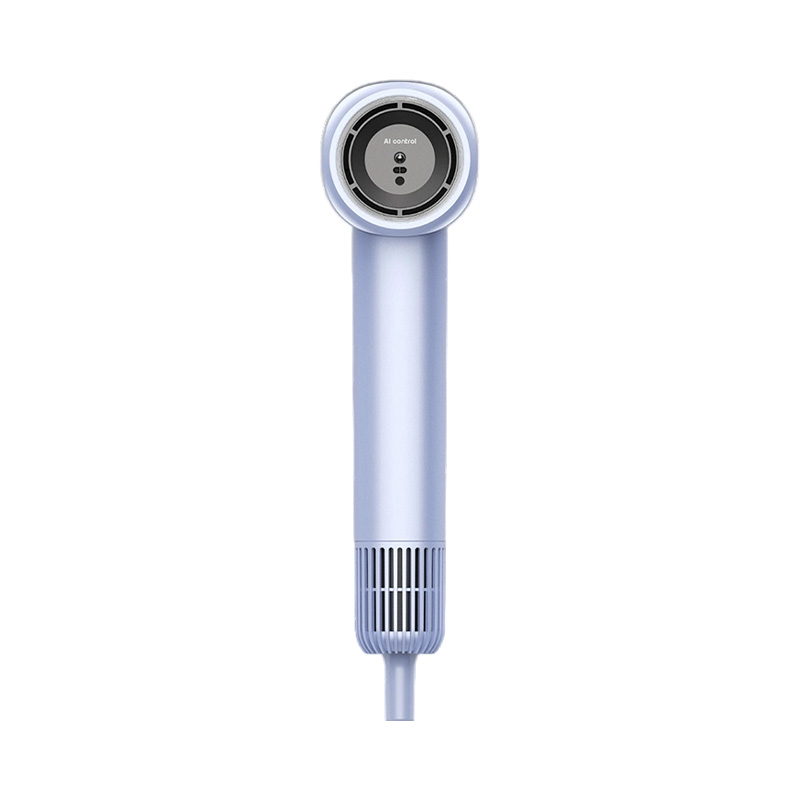 KH-808 Mini High Speed Intelligent Temperature Control Hair DryerCompact travel hair dryer with intelligent temperature regulation, 1100 W power, dual voltage options and a 275 g body for small bathrooms or frequent travel.View Product →
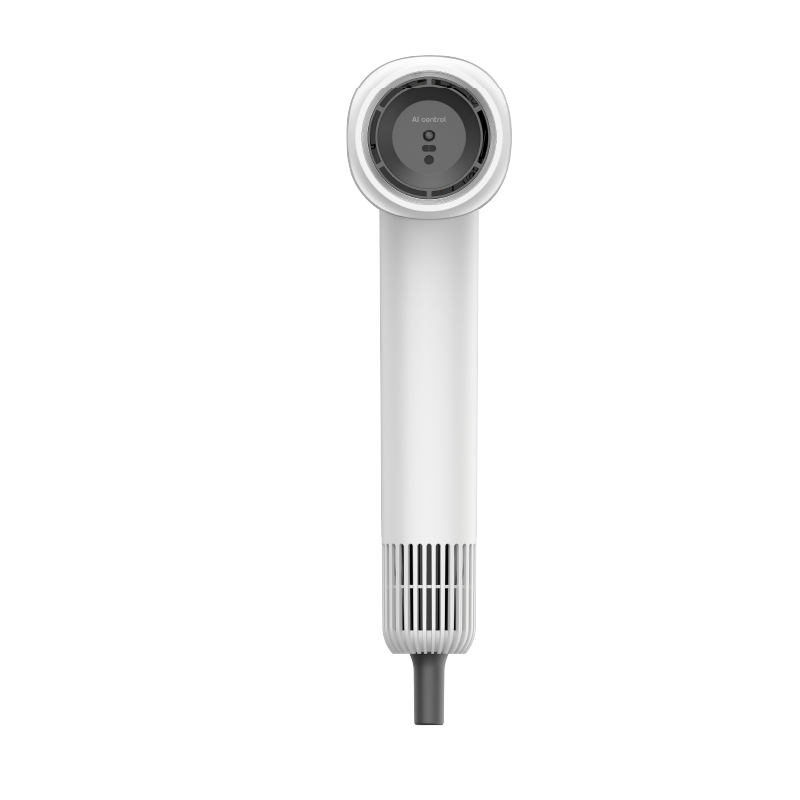
Further up the range, portable units with AI temperature control add real time heat regulation, which matters in small hotel bathrooms where the supply can be unstable and airflow has to stay high.
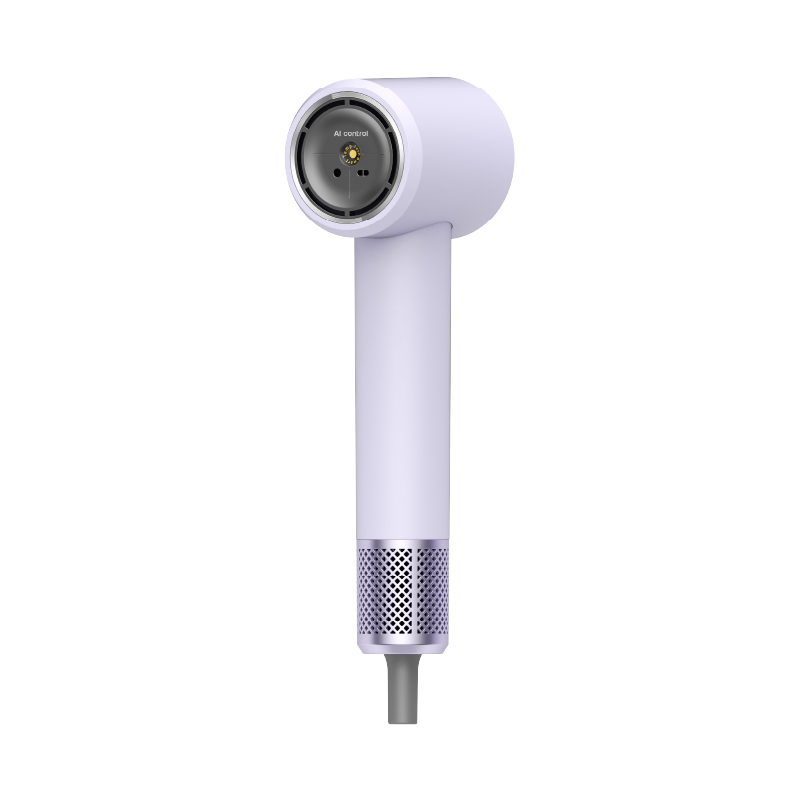 KH-809 Portable AI Temperature Control High Speed Hair DryerPortable AI temperature control high-speed dryer with adjustable speeds, low-noise operation, negative-ion care and dual voltage options for hotel bathrooms and multi-market orders.View Product →
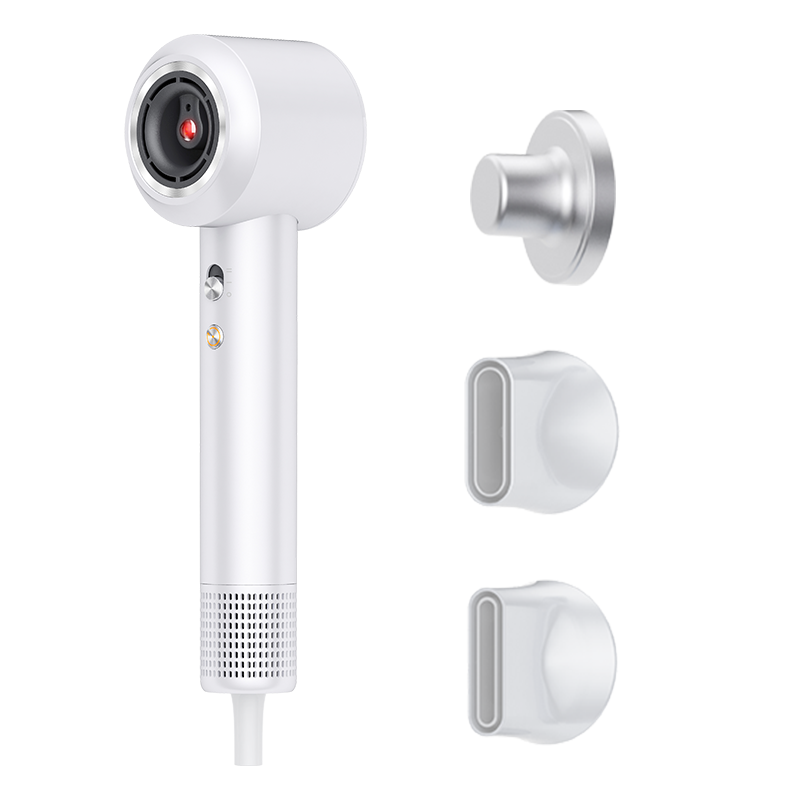
Our hair dryer range covers mini travel models and full size platforms across the same engineering base, which is useful when a single order has to serve several markets with different voltages and plug standards.
Hair Dryer on a Plane: Common Questions
Can I bring a hair dryer in my carry-on in Europe?
Yes. European security rules do not classify hair dryers as prohibited items. The same logic applies as anywhere else: the dryer itself is fine, and the limits concern batteries and gas cartridges.
Do I need to declare a hair dryer at customs?
No. A hair dryer is personal property, not a restricted good. If you are traveling with several new units in original packaging, a customs officer may ask whether they are for resale, and duty may then apply.
Can I use a US hair dryer in Europe?
Only with a step-up converter rated for at least the wattage printed on the dryer. A plug adapter alone will not work, and a converter sized for a phone will fail quickly. A dual voltage dryer is the cheaper and safer answer.
Will a hair dryer slow down my security check?
Rarely. It may be pulled for a second look because of the motor and heating element, but that usually adds less than a minute.
To summarize: a corded hair dryer is allowed in carry-on and checked baggage on essentially every airline. Spare lithium batteries must stay in the cabin, butane powered tools are a different category and are usually refused, and voltage is the issue that actually affects your trip. Pack the dryer where nothing can crush it, read the label on the handle before you leave, and it becomes one of the least complicated items in your bag.


 +86-574-63982198
 +86-574-63982197
 No. 933, Lingxu 2nd Road, Binhai Economic Development Zone, Cixi, Zhejiang, China.