

 English
 中文简体
中文简体 Español
Content
When a salon owner swaps a traditional 1,800-watt dryer for a high-speed model, the first thing they notice is not the noise or the design. It is the clock. The same blow-dry that used to take nine minutes finishes in four and a half, and the client leaves with less heat stress on their hair. For wholesale buyers, that one metric drives product positioning, customer satisfaction, and repeat orders. The best blow dryer to dry hair fast is rarely the one with the highest wattage, and it is not always the most expensive one either. It is the model whose motor, air path, and heat control are designed to work as one system.
This guide explains the physics behind quick drying, the specifications a buyer should verify before placing an order, and the design choices that separate fast dryers from the rest of the market.
What Actually Determines Fast Drying
To understand which blow dryer dries hair fastest, consider how moisture leaves the hair. Water sits on the surface and inside the cuticle. Airflow carries surface moisture away, while heat accelerates evaporation from within. When airflow is weak, the dryer compensates with higher heat, which damages the cuticle and creates frizz. Fast dryers flip that formula: they move more air at controlled temperatures, so the hair dries quickly without being cooked.
Airflow, Not Just Heat
Two airflow numbers matter: velocity and volume. Velocity is how fast the air exits the nozzle, usually measured in meters per second. Volume is how much air moves each minute, measured in cubic meters. A narrow nozzle increases velocity but reduces coverage; a wide nozzle covers more area but produces a gentler stream. The best high-speed dryers strike a balance, and buyers should ask suppliers for both numbers rather than a vague marketing claim.
The Motor Is the Real Engine
Traditional dryers use brushed AC motors that spin between 18,000 and 25,000 RPM. High-speed dryers use brushless DC motors that reach 100,000 RPM or beyond. A brushless motor can accelerate a smaller impeller faster, producing a concentrated jet of air, and it does this with less energy and less acoustic noise. The performance gap between these motor types is large enough to change a salon workflow, which is why high-speed hair dryers genuinely outperform regular models in most independent tests.
Wattage Alone Can Mislead
Wattage describes the heating capacity of the dryer, not its ability to move air. A 2,000-watt unit with a weak motor can dry hair more slowly than a 1,400-watt unit with a strong motor, because the second one evaporates moisture with airflow instead of heat. Buyers who compare wattage first will miss the point of fast drying. Check motor speed and air velocity first, then confirm the wattage supports the heat levels your customers expect.
How Fast Is Fast? Drying Time Benchmarks
Drying time depends on hair length, thickness, and starting moisture level, but standardized tests create a useful baseline. The chart below shows typical results for shoulder-length hair in a controlled environment.
Average drying time for shoulder-length hair, lower is better.
The bar chart compares typical drying times for shoulder-length hair across four dryer categories. A traditional brushed-motor dryer usually needs about 11 minutes. A mid-range model with a faster motor reduces that to roughly eight minutes. High-speed dryers with brushless motors finish the same test in about five and a half minutes. Professional-grade high-speed units bring the time down to four minutes. The pattern is consistent: motor technology, not wattage, determines how fast a dryer finishes the job. When suppliers quote drying times, ask which test conditions were used so you can compare products fairly.
Key Specifications for a Fast-Drying Hair Dryer
When evaluating a candidate model, use the following table as a quick checklist. These are the specifications that correlate most strongly with drying speed.
| Specification | Why It Matters | Target Range |
|---|---|---|
| Motor type | Brushless DC motors deliver high RPM without excessive noise or heat | Brushless, 100,000 RPM or higher |
| Air velocity | Higher velocity pushes water off the hair shaft faster | 20 to 30 meters per second at nozzle |
| Wattage | Supports heat output but does not define drying speed | 1,400 to 1,800 watts is practical |
| Heat control | Maintains a safe temperature while using high airflow | Smart temperature sensors or multiple heat levels |
| Ionic output | Reduces static and seals the cuticle for a smoother finish | Built-in negative ion generator |
| Weight | Heavy dryers cause fatigue in salon use | Under 500 grams |
The radar chart compares an intelligent high-speed dryer with a standard salon dryer across five attributes that professional users care about.
Feature balance comparison: intelligent high-speed dryer versus standard salon dryer.
The radar chart shows why a high-speed intelligent dryer changes the buying decision for salon and wholesale customers. Speed and heat control are where the high-speed model pulls clearly ahead, with accurate sensors that protect hair while maintaining fast evaporation. Portability also favors the high-speed design because a brushless motor allows a smaller motor housing and a lighter body. Noise performance is more complex: high-speed motors produce a higher-pitched tone, though well-designed sound insulation can bring it close to a traditional dryer. Durability depends on bearing quality and mechanical build, not on motor type alone. Buyers should read the chart as a trade-off summary and confirm the actual noise and weight numbers with the manufacturer.
Realistic Drying Performance by Motor Speed
The relationship between motor speed and drying time is not linear, and that is an important insight for buyers. The chart below shows how much time is saved as motor speed increases.
Drying time decreases sharply as motor speed rises, then levels off at high RPM.
The line chart plots motor speed against drying time for a standardized blow-dry test. The steep drop from 20,000 to 60,000 RPM shows where most of the performance gains come from, saving about four and a half minutes. Between 80,000 and 110,000 RPM, the curve levels off because the air channel and nozzle become the limiting factors. This means a well-designed 100,000 RPM dryer can match a 110,000 RPM model if the nozzle geometry is better. It also explains why manufacturers invest in airflow simulation and nozzle design rather than simply maxing out the motor. For a buyer, this is a useful negotiation point: request measured air velocity and drying test data, not just the motor RPM on a data sheet.
Air velocity is the spec that shows up most consistently in side-by-side tests. The next chart compares nozzle velocity across dryer categories.
Air velocity at the nozzle by dryer category, higher is better.
The column chart compares air velocity at the nozzle across dryer categories. Traditional dryers typically deliver 8 to 10 meters per second, which is enough for a gentle style but slow for thick hair. Mid-range models reach 14 to 16 meters per second with improved impeller design. High-speed dryers climb to 22 meters per second, and professional-grade units can sustain 28 meters per second. The jump from 14 to 22 meters per second is where the user experience changes from acceptable to impressive. When a supplier advertises high speed, ask them to confirm the air velocity with a measurement at the nozzle, because that number is a much better indicator than motor RPM alone. This is also the thinking behind why the Youming high-speed dryer is different from conventional designs.
Fast-Drying Models Worth Sourcing
Based on the specifications discussed above, three models from the current product line offer a practical starting point for wholesale buyers and salon brands.
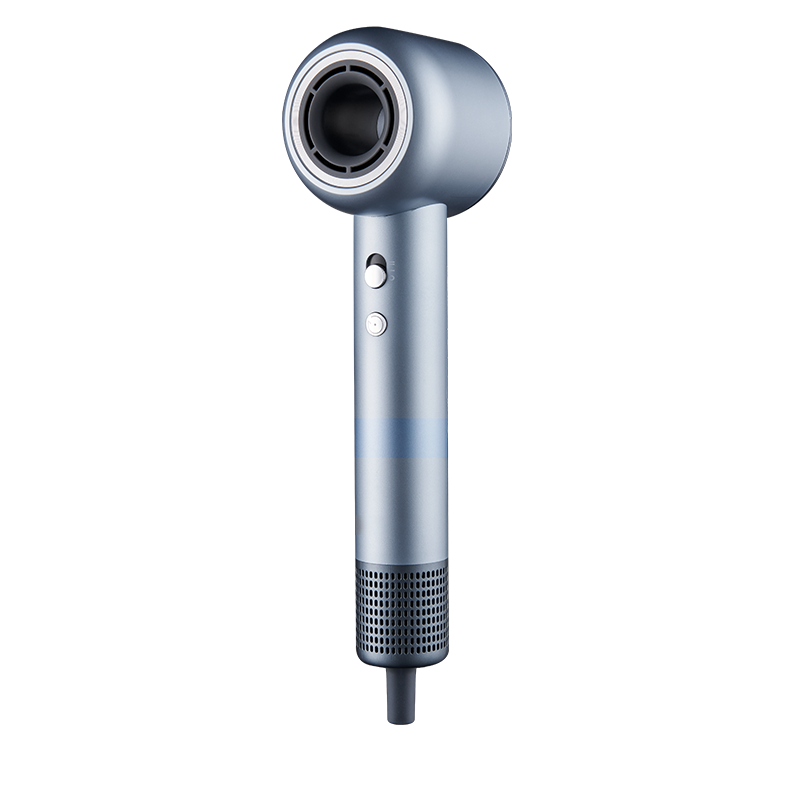
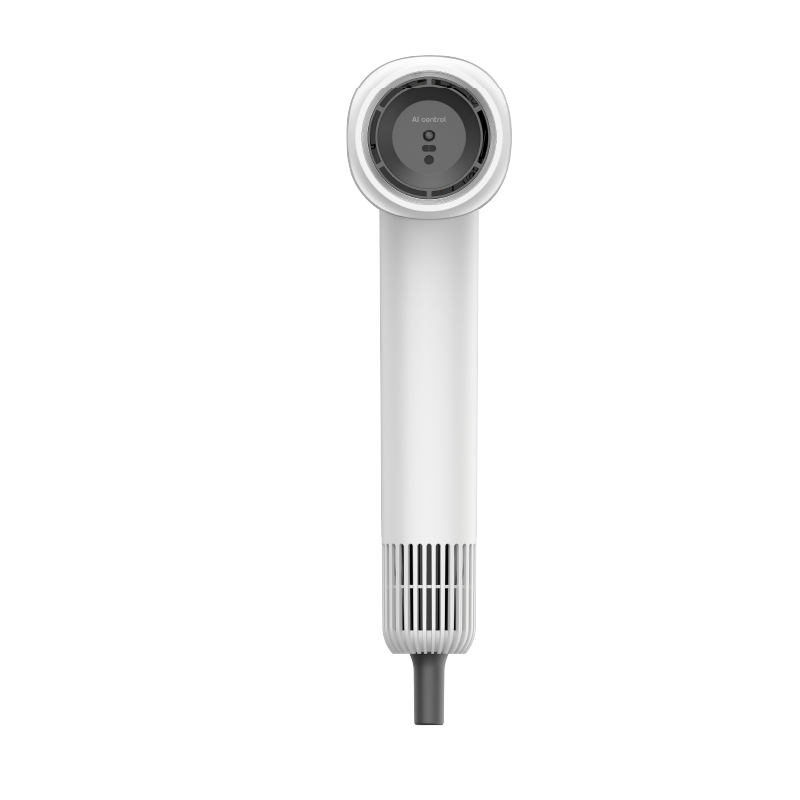
The KH801C high-performance high-speed hair dryer combines a brushless motor with a high-efficiency air channel, giving salons the drying speed they need without a heavy body. Its balanced weight and multiple heat settings make it suitable for daily professional use.
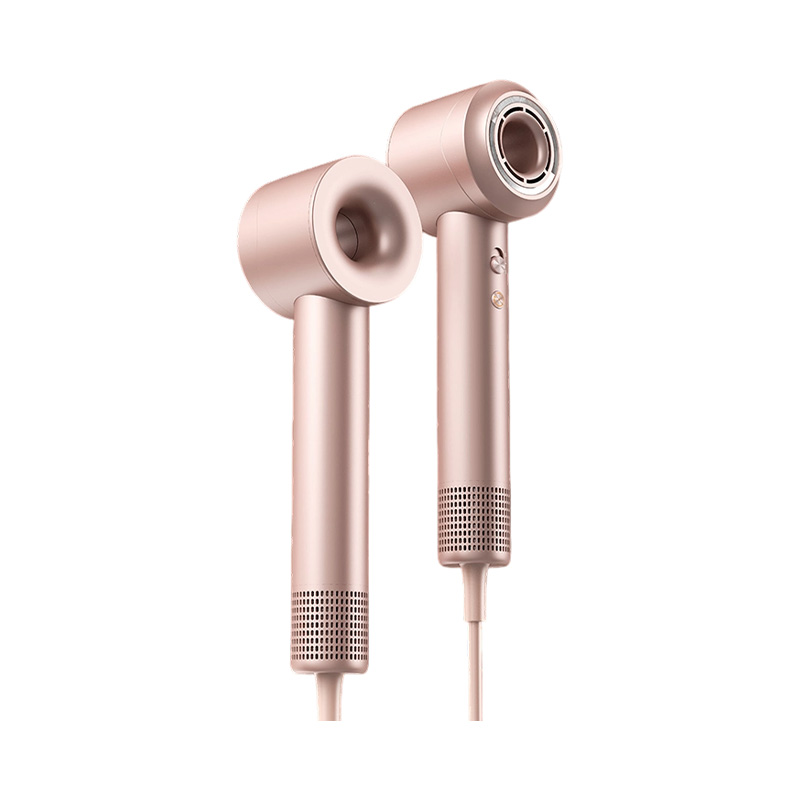 KH-801C High-performance high-speed hair dryer Suppliers, Factory - Ningbo YoumiNingbo Youming Electrical Appliance Co., Ltd is China KH-801C High-performance high-speed hair dryer suppliers and factory, Customizable,...View Product →
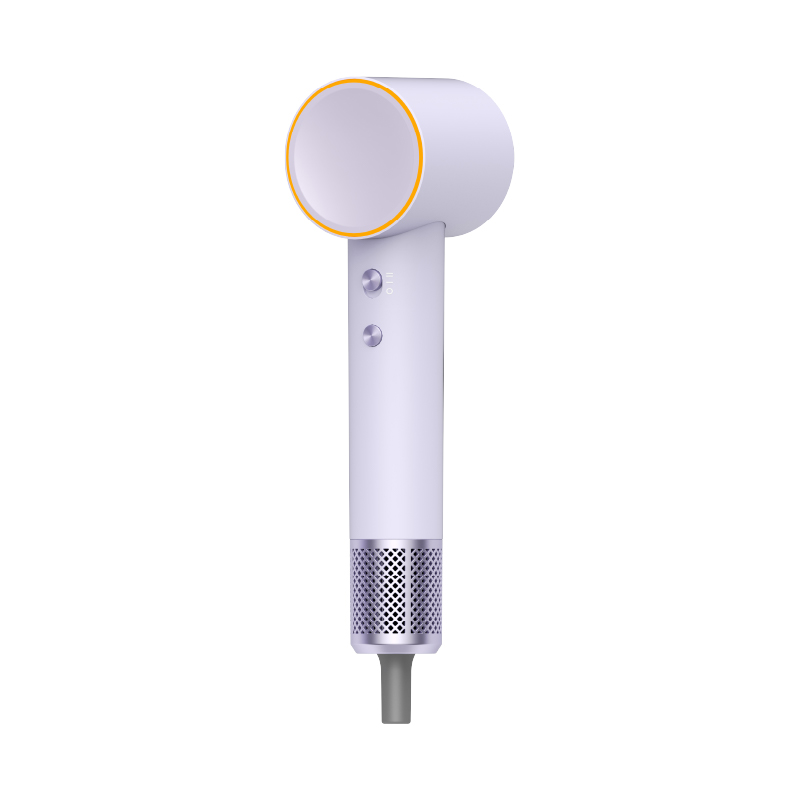
For buyers serving customers who are sensitive to noise, the KH800A high-speed noise-reducing hair dryer keeps drying time low while reducing the high-pitched whine common in high-speed devices. The acoustic design does not sacrifice airflow, which makes it a strong option for home-care products distributed through retail channels.
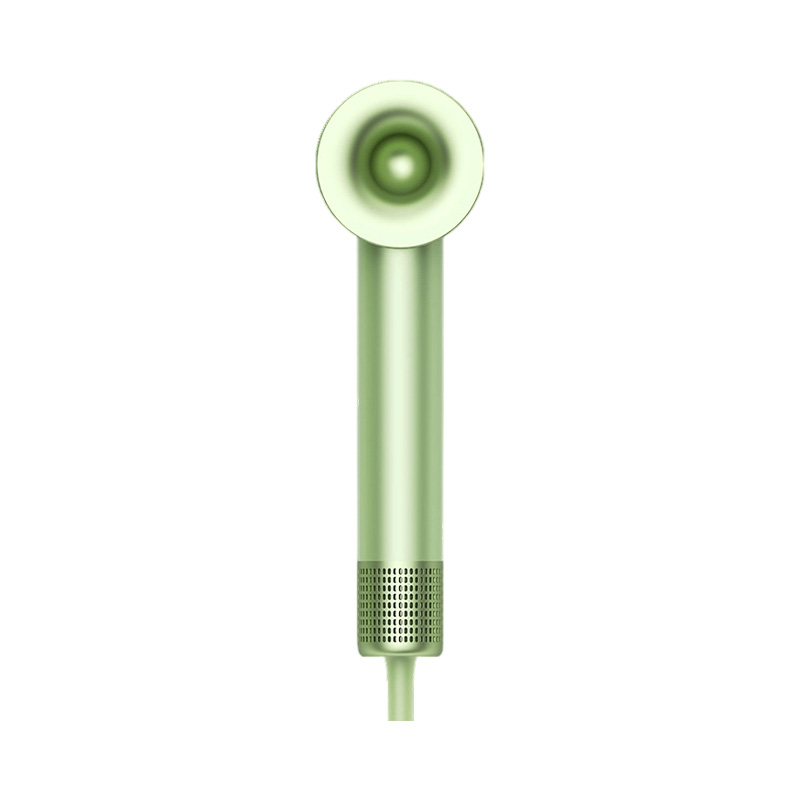 KH-800A High-speed noise-reducing hair dryer Suppliers, Factory - Ningbo YoumingNingbo Youming Electrical Appliance Co., Ltd is China KH-800A High-speed noise-reducing hair dryer suppliers and factory, Customizable, ...View Product →
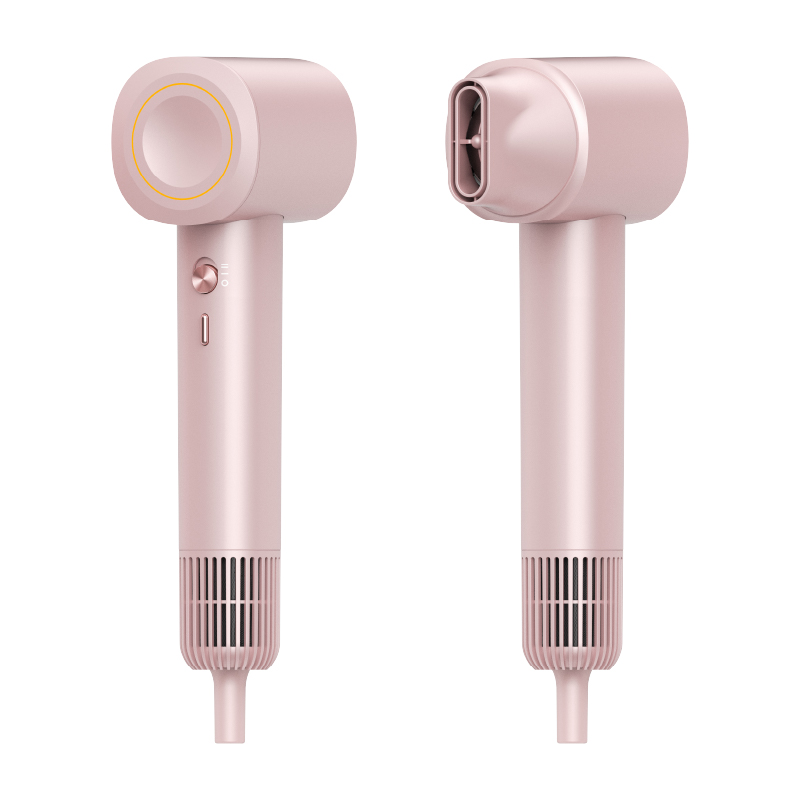
Retail brands that want a visible technology story will be interested in the KH804C LED display smart temperature control dryer. The LED ring gives the user real-time feedback on the selected heat level, which reinforces the safety message that is increasingly important in the consumer market. Together, these models cover the three most common positioning angles: performance, quiet operation, and smart features.
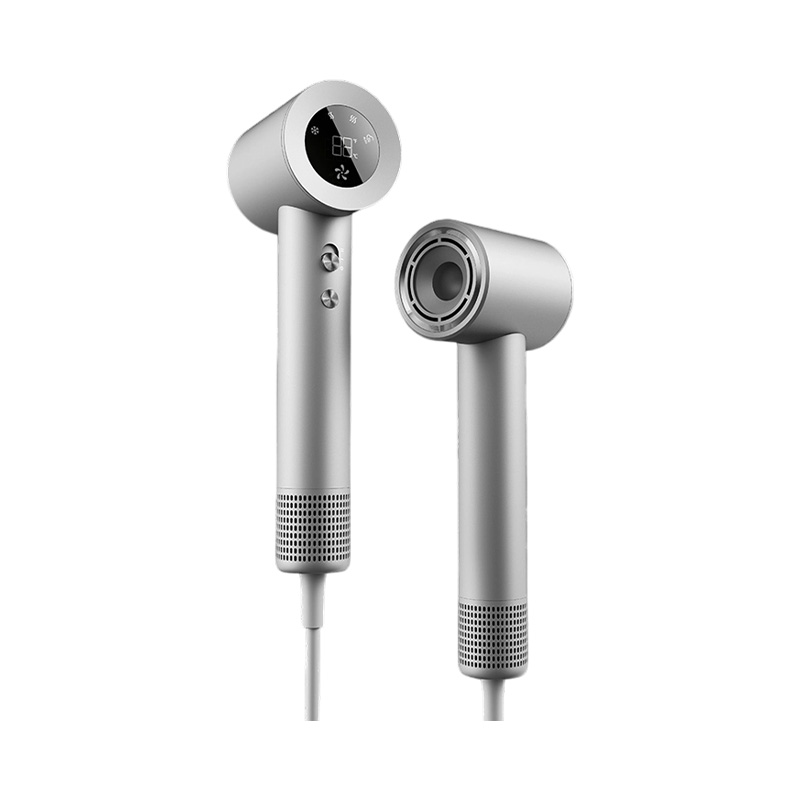 KH-804C LED Display Smart Temperature Control Hair Dryer Suppliers, Factory - NiNingbo Youming Electrical Appliance Co., Ltd is China KH-804C LED Display Smart Temperature Control Hair Dryer suppliers and factory, Cus...View Product →
Practical Ways to Cut Drying Time Further
Product design does most of the work, but usage habits also influence how fast a dryer performs.
- Towel dry first to remove excess water, but do not rub; patting keeps the cuticle smooth and shortens active drying time.
- Section the hair and dry each section with a concentrator nozzle, which concentrates the airflow on wet strands instead of spreading it.
- Use medium heat with high speed for the first pass, then lower the heat for finishing, reducing both drying time and heat exposure.
- Keep the filter clean and the inlet free of lint, because restricted airflow makes the motor work harder and slows evaporation.
- Choose a dryer with a cool-shot function to set the style after drying, which reduces the time your clients spend under the heat.
These tips may sound simple, but they have a measurable effect on throughput. A salon that saves one minute per client across eight clients a day gains more than an hour of productive time each week.
Final Thoughts
The best blow dryer to dry hair fast is the one that combines a brushless motor, a carefully designed air channel, and reliable temperature control. Wattage matters, but it is not the headline spec. Buyers sourcing for wholesale, OEM, or salon distribution should ask suppliers for measured air velocity, drying test data, and motor specifications before making a decision. When those numbers line up, the product sells itself, because the user notices the difference on the first use.
 Previous

 +86-574-63982198
 +86-574-63982197
 No. 933, Lingxu 2nd Road, Binhai Economic Development Zone, Cixi, Zhejiang, China.