

 English
 中文简体
中文简体 Español
Content
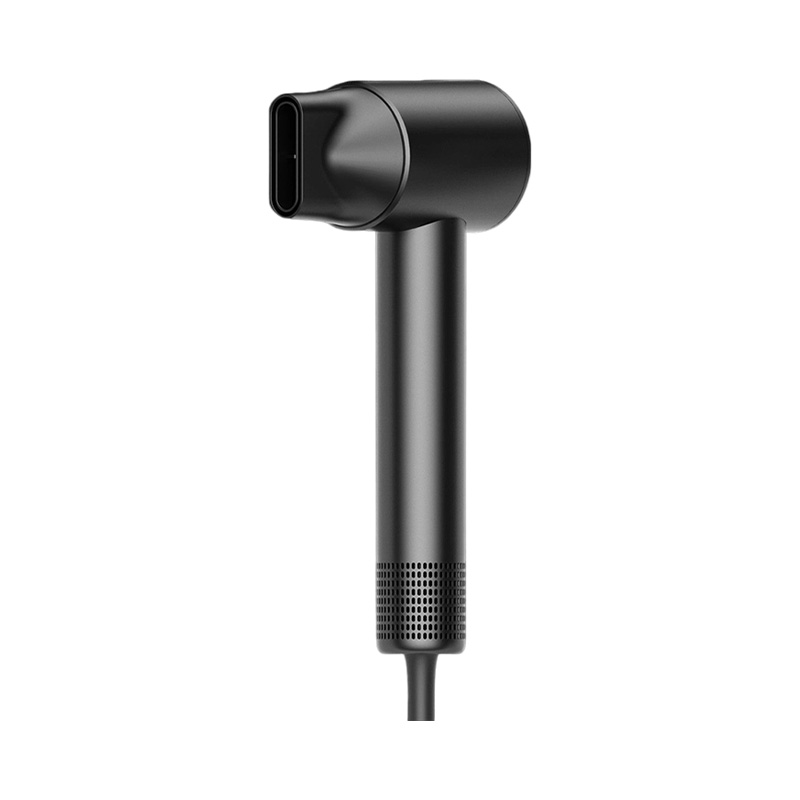
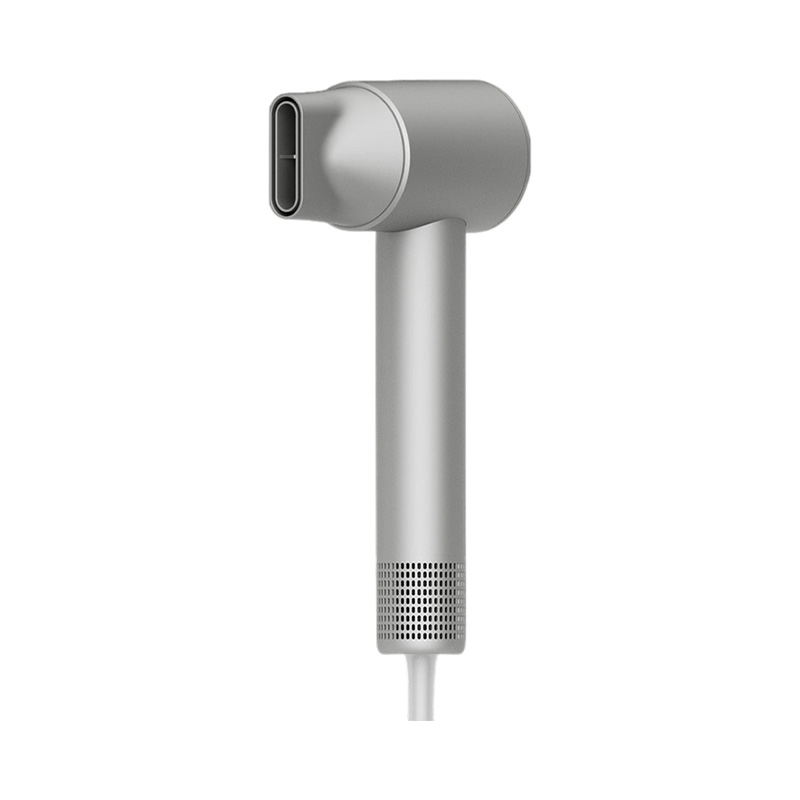
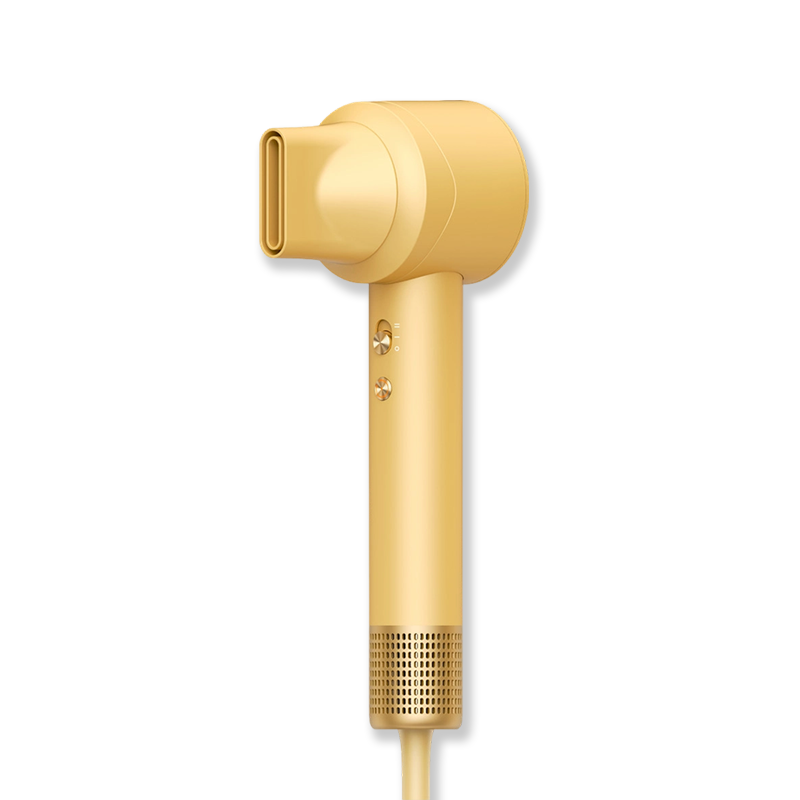
A hair dryer's main use is drying and styling hair by directing heated or ambient airflow to evaporate moisture and shape hair using brushes, diffusers, or nozzle attachments, but the same directional heat and airflow also make it useful for a range of practical household and personal care tasks beyond hair. A reliable device such as the Hair Dryer is built around adjustable heat and speed settings that make it versatile enough for everything from everyday blowouts to smaller tasks like loosening stickers or defrosting small items.
The sections below cover the core hair styling functions first, then explore the lesser known but genuinely practical secondary uses that make a hair dryer a multi purpose tool around the home.
Everyday Hair Drying and Styling
The primary and most common use remains drying wet hair after washing, along with shaping it into a finished style using different techniques and attachments.
Root Lift and Volume Styling
Directing airflow at the roots while lifting hair with a brush or fingers helps create volume at the base, a common technique used by stylists to add lift to fine or flat hair. Using a concentrator nozzle for this purpose focuses airflow precisely where volume is needed rather than spreading it across the whole head.
Smoothing and Straightening Support
Combined with a round brush, directional airflow from the nozzle helps smooth the hair cuticle as it dries, reducing frizz and creating a straighter finish without necessarily requiring a separate flat iron for lighter smoothing needs.
Curl and Texture Enhancement
With a diffuser attachment, airflow is dispersed more gently across curls or waves, helping preserve natural texture and clumping pattern rather than scattering strands into frizz, which is a common concern noted in general hairstyling technique guidance.
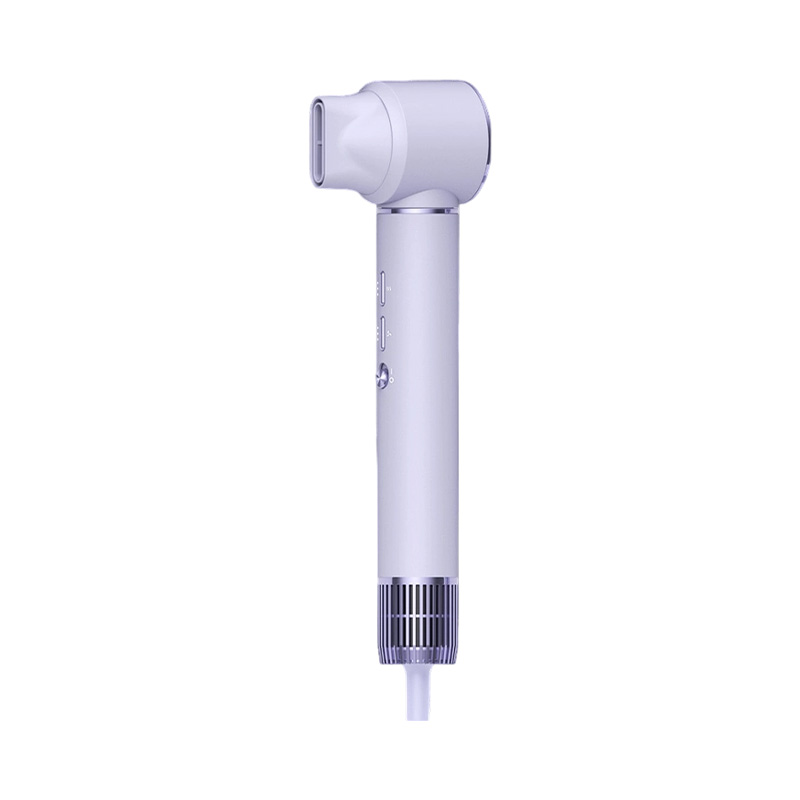
Speed and Heat Control for Different Hair Needs
Modern hair dryers offer adjustable settings that let users match airflow and temperature to hair type and styling goal.
| Setting | Typical Use |
| High heat, high speed | Quick drying of thick or very wet hair |
| Medium heat, medium speed | General everyday styling |
| Low heat, low speed | Fine or damaged hair needing gentler drying |
| Cool shot | Setting curls or smooth styles in place |
Using the cool shot function after styling is a widely recommended technique, since a burst of cool air helps close the hair cuticle and lock the style in place, often producing noticeably longer lasting results than finishing on warm air alone.
Beard and Facial Hair Grooming
Beyond scalp hair, many people use a hair dryer to dry and style facial hair, particularly for longer beards that require shaping.
- Drying a beard after washing helps prevent prolonged dampness that can lead to skin irritation underneath
- Combined with a boar bristle brush, warm airflow helps train beard hair to lay in a consistent direction
- Low heat settings are generally recommended for facial hair to avoid excessive dryness on sensitive facial skin
Household and Practical Uses Beyond Hair
The same directional heat and airflow that dries hair also makes a hair dryer surprisingly useful for a number of small household tasks.
Loosening Stickers and Adhesive Residue
Applying warm air to a price sticker or adhesive label softens the glue underneath, making it much easier to peel off cleanly without leaving sticky residue behind, a technique commonly recommended in general household tip guides.
Removing Wrinkles from Fabric
Lightly stretching fabric while applying warm airflow can help relax minor wrinkles in clothing or curtains, offering a quick alternative to ironing for garments that do not require a full pressing.
Defrosting Small Areas
Directed warm air can help speed up defrosting on small icy patches, such as a car door lock in cold weather or a small section of a freezer, though it should never be used near open flames or in situations involving electrical hazards near water.
Drying Small Wet Items Quickly
Items like damp shoes, small stuffed toys, or slightly wet paper documents can be dried faster using low heat airflow held at a safe distance, helping speed up drying without waiting for air drying alone.
Craft, DIY, and Hobby Applications
Hair dryers are also commonly used in craft and DIY projects where controlled warm airflow is useful for speeding up certain processes.
- Speeding up the drying time of paint or glue in smaller craft projects
- Shrinking heat shrink tubing used in small electronics or cable repair projects
- Softening wax or clay materials slightly to make them easier to shape
- Helping balloons or decorative items regain shape after minor deflation in temporary displays
Because these tasks often require sustained lower heat rather than high intensity drying, a dryer with reliable adjustable heat settings, such as a Hair Dryer designed with multiple speed and temperature combinations, tends to handle both hair styling and these secondary tasks more comfortably than a single fixed setting appliance.
Safety Reminders When Using a Hair Dryer for Non Hair Tasks
While the secondary uses above are common and generally safe when done carefully, a few precautions help avoid accidents.
- Never use a hair dryer near standing water or in a bathroom setting where it could contact water
- Avoid holding the dryer too close to any surface for extended periods to prevent scorching or melting
- Do not use a hair dryer on flammable materials or near open flames
- Allow the motor to cool between extended use sessions to avoid overheating the appliance
Summary
While drying and styling hair remains the primary use of a hair dryer, its adjustable heat and airflow settings make it a genuinely versatile tool for beard grooming, household fixes like loosening stickers or smoothing fabric wrinkles, and various craft or DIY tasks that benefit from controlled warm air. Understanding these additional practical uses helps get more everyday value out of a single appliance already found in most homes.
 Previous

 +86-574-63982198
 +86-574-63982197
 No. 933, Lingxu 2nd Road, Binhai Economic Development Zone, Cixi, Zhejiang, China.