

 English
 中文简体
中文简体 Español
Content
- 1 The Science Behind Scalp Massage and Hair Growth
- 2 What the Clinical Research Shows
- 3 How a Scalp Massage Comb Specifically Enhances Hair Growth Effects
- 4 The Optimal Protocol for Hair Growth Results
- 5 Scalp Massage Comb Combined With Other Hair Growth Treatments
- 6 Hair Growth Promotion by Hair Type and Condition
- 7 Realistic Expectations: What Scalp Massage Combs Can and Cannot Do
- 8 Choosing the Best Scalp Massage Comb for Hair Growth
- 9 Building a Hair Growth Routine Around the Scalp Massage Comb
Yes — using a hair scalp massage comb can genuinely promote hair growth when practiced consistently over time. The evidence is not merely anecdotal: a peer-reviewed clinical study published in the journal ePlasty demonstrated that participants who performed standardized scalp massage for 4 minutes daily over 24 weeks showed statistically significant increases in hair shaft thickness, a measurable indicator of improved follicle activity and hair growth quality. A follow-up survey study of over 300 individuals who practiced regular scalp massage found that the majority reported reduced hair loss and perceived improvements in hair density after consistent practice over several months.
However, context matters: scalp massage combs promote hair growth most effectively when the underlying cause of poor growth is related to scalp blood circulation, follicle congestion, scalp tension, or inadequate nutrient delivery to the follicle. They are a supportive intervention — not a standalone treatment for genetic baldness, autoimmune alopecia, or hormonally driven hair loss — and their results are most pronounced when used consistently as part of a comprehensive scalp and hair care routine.
The Science Behind Scalp Massage and Hair Growth
To understand how a scalp massage comb can stimulate hair growth, it is essential to understand what controls follicle activity at the biological level. Hair growth is governed by the dermal papilla — a cluster of specialized cells at the base of each follicle that signals the follicle to enter and remain in the active growth phase (anagen). The health and signaling activity of the dermal papilla depends on adequate blood supply, mechanical stimulation, and a low-inflammation local tissue environment.
Increased Blood Circulation to the Follicle
The scalp is richly supplied with capillaries, and the follicle's dermal papilla depends on this microvascular network to receive the oxygen, amino acids (particularly cysteine, methionine, and lysine that form the keratin protein of hair), vitamins (biotin, niacin, vitamins D and E), and minerals (iron, zinc, selenium) required for active hair fiber production. When scalp circulation is suboptimal — due to chronic stress, tight scalp muscles, sedentary lifestyle, or poor posture — the follicle receives a diminished nutrient supply, which can slow the growth rate or shorten the anagen phase.
Scalp massage with a comb causes local vasodilation — the widening of capillaries in response to mechanical pressure and warmth — that measurably increases blood flow to the treated scalp area. Studies using laser Doppler flowmetry (a technique that quantifies blood flow velocity in superficial tissue) have demonstrated a 30 to 50% increase in scalp blood flow immediately following a 5-minute scalp massage. While this acute increase diminishes after the massage ends, cumulative daily stimulation progressively improves baseline scalp microcirculation over weeks and months of consistent practice.
Mechanical Stretching of Dermal Papilla Cells
The 2016 ePlasty study that demonstrated hair thickening effects of scalp massage proposed a mechanism beyond simple blood flow improvement: the mechanical stretching of dermal papilla cells during massage may directly activate signaling pathways that promote hair growth gene expression. Specifically, the researchers found that stretched dermal papilla cells showed upregulation of genes including noggin (a bone morphogenetic protein inhibitor involved in hair cycle regulation) and IL-6 (interleukin-6, associated with stimulation of the anagen phase).
This mechanical gene activation mechanism is distinct from circulation effects and suggests that the physical act of applying pressure and movement to the scalp — which the tines of a massage comb deliver more consistently and thoroughly than fingertips alone — directly stimulates follicle cells at the molecular level, promoting entry into and extended duration of the anagen growth phase.
Reduction of DHT Concentration in Scalp Tissue
Dihydrotestosterone (DHT) — converted from testosterone by the enzyme 5-alpha reductase — is the primary hormonal driver of follicle miniaturization in androgenetic alopecia (male and female pattern baldness). DHT binds to androgen receptors in genetically susceptible follicles, progressively shortening the anagen phase and reducing follicle size until hair production stops entirely.
Improved scalp blood circulation and lymphatic drainage from regular massage may help reduce the local tissue concentration of DHT in the scalp by improving the clearance of this hormone from scalp tissue — reducing its dwell time at the follicle receptor. While pharmacological DHT blockers (such as finasteride and dutasteride) provide much more powerful DHT reduction, massage-induced improvement in scalp perfusion and lymphatic flow represents a meaningful complementary mechanism with no side effects.
Release of Nitric Oxide and Growth Factors
Mechanical stimulation of scalp tissue has been shown to promote the local release of nitric oxide (NO) — a signaling molecule that causes smooth muscle relaxation in blood vessel walls, producing sustained vasodilation beyond the duration of the massage itself. Nitric oxide also has direct anti-inflammatory effects in local tissue, which may reduce the low-grade inflammatory environment around follicles that is a contributing factor in diffuse hair thinning.
Additionally, mechanical stimulation promotes the local release of growth factors including vascular endothelial growth factor (VEGF) — a protein that promotes the formation of new capillaries around follicles — and insulin-like growth factor 1 (IGF-1), which directly promotes follicle cell proliferation and the anagen phase of the hair cycle.

What the Clinical Research Shows
The body of research specifically examining scalp massage and hair growth is growing, and the results consistently point toward a real, measurable benefit — particularly for hair thickness and reduction of shedding. The key studies are summarized below:
| Study | Protocol | Duration | Key Finding |
|---|---|---|---|
| ePlasty (2016) — standardized scalp massage | 4 minutes daily, standardized device massage | 24 weeks | Significant increase in hair shaft thickness; mechanotransduction of dermal papilla cells proposed as mechanism |
| Dermatology and Therapy (2019) — self-administered massage survey | Self-reported daily scalp massage, 11–20 minutes | 6–8 months average | 68.9% of respondents reported stabilization or improvement in hair loss; subjective hair density improvements widely reported |
| Minoxidil + massage combination research | Topical minoxidil with daily scalp massage vs minoxidil alone | 16–24 weeks | Combination group showed superior hair count improvements vs minoxidil alone, suggesting synergistic benefit of massage with topical treatment |
| Scalp blood flow measurement studies | Laser Doppler flowmetry during and after 5-minute massage | Acute measurement | 30–50% acute increase in scalp blood flow velocity immediately post-massage |
The consistency of positive findings across these studies — spanning laboratory mechanistic research, clinical hair measurement, and large-scale self-report surveys — provides a solid evidence base for the hair growth-promoting potential of regular scalp massage. The mechanisms are biologically plausible, the findings are reproducible, and the intervention is low-risk, making scalp massage with a comb a well-supported addition to any hair growth strategy.
How a Scalp Massage Comb Specifically Enhances Hair Growth Effects
While fingertip massage can provide some of the same benefits as a scalp massage comb, the comb design delivers several specific advantages that enhance its hair growth-promoting potential.
Precise Scalp Contact Through Hair
The individual tines of a scalp massage comb part the hair and make direct contact with the scalp surface, ensuring that stimulation reaches the skin and the tissue beneath it rather than being diffused through a thick layer of hair. This direct scalp contact is particularly important for people with dense, thick, or tightly coiled hair, where fingertip massage often fails to reach the scalp effectively. A well-designed scalp massage comb with tines of 8 to 15 mm in length can reach the scalp through hair densities that fingertips cannot penetrate, ensuring that the growth-stimulating pressure is applied to the follicle-bearing tissue rather than to the hair shaft itself.
Consistent, Multi-Point Stimulation
A scalp massage comb with multiple tines (typically 20 to 50 individual contact points on most designs) simultaneously stimulates a broad area of scalp in each stroke. This multi-point contact creates consistent mechanical stimulation across a larger follicle population per unit of time compared to fingertip massage, which contacts a smaller area with each pressure application. Greater coverage per session means that the full scalp — including areas less accessible to fingertips such as the crown, the sides above the ears, and the posterior hairline — receives regular stimulation.
Scalp Exfoliation That Clears the Follicle Environment
A critical but often overlooked mechanism through which scalp massage combs promote hair growth is their exfoliating action. Dead skin cell accumulation, sebum oxidation products, product residue, and hard water mineral deposits can accumulate at and around the follicle opening, creating a hostile microenvironment for healthy hair growth. The tines of the massage comb physically dislodge this material during use, particularly when used during shampooing.
Research has demonstrated that follicle congestion and the resulting buildup of inflammatory oxidative products around the follicle opening is a contributing factor in scalp conditions associated with hair loss — including seborrheic dermatitis-related thinning and folliculitis decalvans. By maintaining a clean, unobstructed follicle environment through regular mechanical exfoliation, the massage comb supports the conditions in which follicles can remain productive over time.
Improved Topical Treatment Penetration
For users who apply topical hair growth treatments — minoxidil, caffeine serum, rosemary oil, peptide complexes, or platelet-rich plasma-inspired scalp tonics — using a scalp massage comb immediately before or during treatment application demonstrably improves outcomes. The combination of exfoliation (removing the barrier layer of dead cells and product buildup) and enhanced blood flow (increasing the rate of transcutaneous absorption) allows active ingredients to penetrate more deeply and reach the follicle with greater efficacy than application to an unprepared scalp.
The Optimal Protocol for Hair Growth Results
The research literature on scalp massage for hair growth points to several key protocol variables that determine whether results are achieved. Getting these variables right — frequency, duration, technique, and timing within the hair care routine — is what separates effective practice from ineffective habit.
Frequency: Daily Practice Is Essential
The studies that demonstrate measurable hair growth results all used daily or near-daily massage protocols. Occasional or once-weekly massage provides temporary circulation and relaxation benefits but does not sustain the cumulative follicle stimulation required to alter hair shaft thickness or meaningfully shift the balance between anagen and telogen follicles. Aim for daily use, integrated into an existing routine (such as during shampooing or as part of a morning or evening hair care ritual) to maximize adherence.
Duration: Minimum 4 Minutes, Ideally 5 to 10 Minutes
The 2016 ePlasty study used a 4-minute standardized protocol and produced measurable hair thickening at 24 weeks. The 2019 Dermatology and Therapy survey found that respondents who practiced 11 to 20 minutes of daily massage reported the strongest outcomes. A practical target of 5 to 10 minutes per session balances effectiveness with real-world time constraints for most individuals. Splitting the session — for example, 3 to 4 minutes during shampooing and 3 to 4 minutes of dry massage with a treatment serum in the evening — achieves the target duration without requiring an uninterrupted block of time.
Technique: Systematic Full-Scalp Coverage
Effective scalp massage for hair growth requires covering the entire scalp surface systematically, not just the most convenient or itchy areas. A structured approach ensures no scalp zone is neglected:
- Front hairline to crown: Begin at the front hairline and work the comb in small circular motions toward the crown, covering the full frontal and mid-scalp zone — the area most commonly affected by pattern thinning
- Crown: Apply additional focus to the crown area, where circulation tends to be lower and DHT sensitivity is often highest in pattern hair loss
- Temporal zones: Work from the temples toward the crown on each side, covering the areas above and behind the ears where the temporal scalp muscles can create tension
- Occipital and posterior scalp: Cover the back of the head from the crown to the nape — an often-neglected area that benefits from stimulation even when hair loss is concentrated at the front and top
Apply firm but comfortable pressure — the tines should feel like they are making definite contact with the scalp, not merely sliding over the hair surface. Movement should be in small circles or short back-and-forth strokes, not long sweeping movements that primarily move the hair rather than stimulate the underlying skin.
Timing: Before, During, or After Washing
The best time to use a scalp massage comb depends on the specific benefit being prioritized:
- Before washing (dry scalp): Best for loosening buildup and preparing the scalp for deep cleansing; particularly effective when combined with a pre-wash scalp oil treatment that the massage helps to penetrate
- During shampooing: Best for improving shampoo effectiveness, exfoliation, and circulation; the comb distributes lather evenly and ensures the shampoo cleanses the scalp surface rather than just the hair shaft
- After applying growth treatment (dry or damp scalp): Best for maximizing absorption of topical treatments like minoxidil, rosemary oil, or peptide serums; massage immediately after application drives the treatment toward the follicle
Scalp Massage Comb Combined With Other Hair Growth Treatments
One of the most practical and evidence-supported roles for the scalp massage comb is as an amplifier of other hair growth interventions. Used in combination with topical or lifestyle-based hair growth strategies, the comb consistently enhances results beyond what either approach achieves independently.
With Minoxidil
Minoxidil (a topical vasodilator approved for hair loss) works primarily by prolonging the anagen phase and increasing blood flow to the follicle through opening potassium channels in blood vessel smooth muscle. Scalp massage with a comb before and after minoxidil application enhances both the absorption rate and the distribution of minoxidil across the scalp, ensuring more uniform drug delivery and potentially amplifying its primary vasodilatory mechanism. This combination is supported by combination therapy research showing superior outcomes to minoxidil monotherapy.
With Rosemary Oil
Rosemary oil (specifically containing the active compound rosmarinic acid and 1,8-cineole) has demonstrated hair growth properties in clinical research comparable to 2% minoxidil in a 6-month split-scalp study. Using a scalp massage comb to apply and distribute rosemary oil ensures complete scalp coverage and optimal skin contact time, maximizing the bioavailability of the active compounds at the follicle level. The mechanical stimulation of the comb synergizes with the circulatory-stimulating properties of rosemary oil itself.
With Caffeine-Based Scalp Treatments
Topical caffeine inhibits the phosphodiesterase enzyme in follicle cells, increasing cyclic AMP levels that promote cell proliferation and counteract the growth-suppressing effects of DHT at the cellular level. Research has shown that caffeine penetrates human hair follicles within 2 minutes of scalp application — a penetration speed that is meaningfully increased by the scalp preparation and exfoliation effect of a massage comb used immediately before caffeine shampoo or serum application.
With Nutritional Supplementation
Hair follicles are among the most nutritionally demanding tissues in the body — the rapid cell division required for active hair production places high demands on the supply of biotin, iron, zinc, vitamin D, and essential amino acids. When nutritional supplementation for hair growth (such as biotin, iron for iron-deficient individuals, or marine collagen) is combined with regular scalp massage, the improved follicle blood supply created by the massage ensures that the increased circulating nutrients are more efficiently delivered to the follicle cells that need them most.
Hair Growth Promotion by Hair Type and Condition
The hair growth-promoting effects of scalp massage combs are real across hair types, but the magnitude and speed of benefit can vary depending on the individual's hair type, scalp condition, and the specific growth concern being addressed.
| Hair Type / Condition | Primary Mechanism | Expected Benefit Level | Typical Result Timeline |
|---|---|---|---|
| Diffuse thinning (stress/nutritional) | Circulation + follicle nutrition delivery | High — very responsive | 12–24 weeks |
| Early androgenetic alopecia (pattern thinning) | DHT clearance + circulation + cell stretching | Moderate — slows progression | 24–36 weeks |
| Scalp buildup / seborrheic dermatitis | Exfoliation + inflammation reduction | High — rapid scalp improvement | 4–12 weeks |
| Post-partum shedding | Follicle support during recovery phase | Moderate — supports faster recovery | Concurrent with natural recovery (3–6 months) |
| Traction alopecia (tight hairstyles) | Tension relief + circulation restoration | Moderate to high if caught early | 16–32 weeks (with style changes) |
| Advanced androgenetic alopecia | Circulation + treatment absorption | Low alone; better combined with medical treatment | Results require combination with proven treatments |
| Alopecia areata (autoimmune) | Circulation (mechanism does not address immune cause) | Low — medical treatment required | Not a primary treatment; use as adjunct only |
Realistic Expectations: What Scalp Massage Combs Can and Cannot Do
Honest expectation-setting is as important as enthusiasm for the genuine benefits of scalp massage combs. Understanding the realistic boundaries of what this tool can achieve helps users commit to consistent practice without becoming discouraged by expectations that exceed what any mechanical scalp stimulation tool can deliver.
What Scalp Massage Combs Can Reliably Achieve
- Increased hair shaft thickness over 24 weeks of daily use — demonstrated in controlled research; visible as improved hair volume and density even without an increase in hair count
- Reduced daily hair shedding in cases where shedding is related to scalp health, circulation, or stress — most users notice reduced drain hair within 8 to 16 weeks of consistent daily practice
- Improved scalp condition — reduced dandruff, less itching, better oil balance, and a cleaner, clearer scalp environment that supports healthy follicle function
- Enhanced effectiveness of topical hair growth treatments through improved absorption and scalp preparation
- Slowing of progressive thinning in early androgenetic alopecia — not reversal of established loss, but meaningful slowing of the miniaturization process through improved follicle environment
What Scalp Massage Combs Cannot Do
- Regrow hair from follicles that have been permanently miniaturized and have lost their hair-producing capacity — this requires medical intervention (minoxidil, finasteride, PRP, or hair transplant surgery)
- Reverse autoimmune alopecia (alopecia areata or totalis) — the immune mechanism driving these conditions requires immunological treatment, not mechanical scalp stimulation
- Produce fast results — the hair growth cycle means that measurable changes in hair shaft thickness or growth rate take a minimum of 3 to 6 months to become visible, regardless of how effective the intervention is
- Compensate for severe nutritional deficiencies, thyroid dysfunction, or hormonal imbalances — these systemic causes of hair loss require medical diagnosis and treatment independent of scalp stimulation
Choosing the Best Scalp Massage Comb for Hair Growth
Not all scalp massage combs deliver the same hair growth-promoting stimulation. For the specific goal of promoting hair growth — as opposed to simply detangling or distributing shampoo — certain design features make a meaningful difference in effectiveness.
- Tine length of 10 to 15 mm: Long enough to reach through medium-density hair to the scalp, but not so long that the tips flex and lose their ability to apply firm stimulation pressure at the scalp surface
- Rounded, smooth tine tips: Critical to avoid scalp abrasion or scratch damage; tips should feel pleasant and firm, not sharp or scratchy, even under firm pressure
- Flexible but resilient tine material: High-quality silicone or soft thermoplastic elastomer tines provide the right combination of flexibility (to avoid scalp trauma) and firmness (to transmit stimulating pressure to the tissue)
- Ergonomic handle design: A comb that fits comfortably in the hand without requiring a tense grip allows sustained use for the full 5 to 10 minutes without hand or wrist fatigue — essential for maintaining the consistent daily practice that drives hair growth results
- Water-resistant construction: For users who prefer to massage during shampooing — one of the most effective contexts for hair growth stimulation — a fully water-resistant, easy-to-clean design prevents bacterial or mold growth on the tool between uses
- Consider an electric vibrating model for consistency: Electric scalp massager combs that add a vibration component to manual stimulation provide more consistent pressure distribution and may enhance the mechanotransduction effect on dermal papilla cells — particularly beneficial for users who find sustaining consistent manual pressure difficult over a full-length session
Building a Hair Growth Routine Around the Scalp Massage Comb
The scalp massage comb is most powerful not as a standalone tool but as the cornerstone of a comprehensive, consistent hair growth routine. The following daily and weekly routine integrates the comb at key points where its effects are maximized:
Morning Routine (Daily)
- Apply hair growth serum or treatment (minoxidil, rosemary oil, caffeine serum) to the scalp
- Immediately use the scalp massage comb for 3 to 5 minutes to distribute and drive the treatment into the scalp tissue, covering all scalp zones systematically
- Allow treatment to dry before styling — most serums absorb within 5 to 10 minutes post-massage application
Wash Day Routine (2 to 4 Times Per Week)
- Pre-wash: apply a scalp oil (peppermint, rosemary, or jojoba) and use the massage comb for 3 to 5 minutes to stimulate circulation and begin scalp exfoliation
- During shampooing: use the comb for the full duration of shampoo contact (2 to 3 minutes) to enhance cleansing, exfoliation, and circulation simultaneously
- After rinsing: apply conditioner to lengths only (not scalp), then complete standard hair care routine
Evening Routine (Daily or On Non-Wash Days)
- Use the scalp massage comb dry for 5 minutes before sleep — this evening session contributes additional daily stimulation time, and the relaxation effect may improve sleep quality, which itself supports hair growth through growth hormone secretion during deep sleep
- For those using evening minoxidil application: apply and massage immediately, then leave overnight for maximum absorption time
This structured routine achieves 8 to 13 minutes of daily scalp massage comb use — aligning with the duration range associated with the strongest subjective and objective hair growth outcomes in the research literature, while distributing the time across natural touchpoints in the daily routine rather than requiring a dedicated time block.
 Previous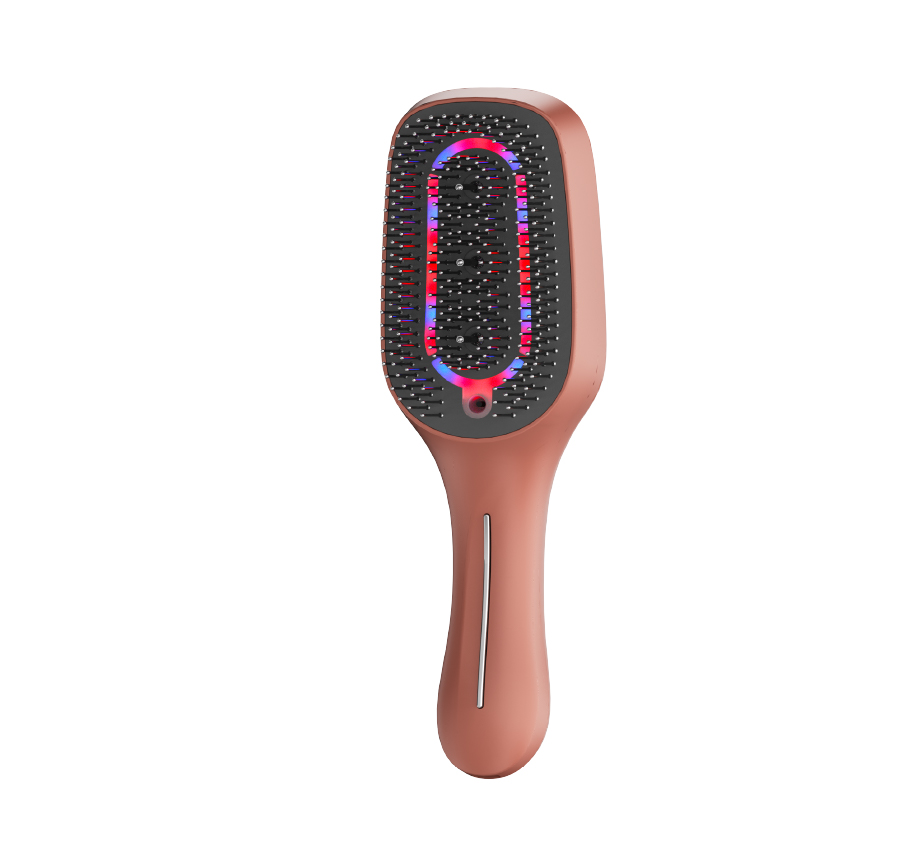

 +86-574-63982198
 +86-574-63982197
 No. 933, Lingxu 2nd Road, Binhai Economic Development Zone, Cixi, Zhejiang, China.