

 English
 中文简体
中文简体 Español
Content
- 1 How Scalp Massage Combs Work on Hair Follicles
- 2 Scalp Exfoliation: Removing the Buildup That Blocks Hair Growth
- 3 Natural Oil Distribution: Making Dry Hair Healthier
- 4 Scalp Tension Relief and Its Connection to Hair Loss
- 5 Enhanced Absorption of Hair Growth Treatments
- 6 Types of Scalp Massage Combs and Their Specific Benefits
- 7 Scalp Massage Combs for Different Hair and Scalp Conditions
- 8 How to Use a Scalp Massage Comb Effectively
- 9 Potential Risks and Situations Where Caution Is Needed
- 10 Scalp Massage Combs vs Fingers: Which Is More Effective?
- 11 What Realistic Results to Expect and How Long They Take
Yes — hair scalp massage combs are genuinely good for hair when used correctly and consistently. The primary benefit is stimulating blood circulation in the scalp, which increases the delivery of oxygen and nutrients to hair follicles, supporting healthier hair growth, reducing shedding, and improving overall hair and scalp condition over time. Clinical research supports scalp massage as a meaningful intervention for hair health: a 2016 study published in the journal ePlasty found that participants who received standardized scalp massages for 24 weeks showed measurable increases in hair thickness compared to a control group.
Beyond circulation, scalp massage combs also help remove product buildup and dead skin cells (exfoliation), distribute natural scalp oils along the hair shaft, loosen tension headaches associated with tight scalp muscles, and enhance the absorption of topical hair treatments such as serums and oils. Used as part of a consistent hair care routine, they offer a low-cost, drug-free method to support scalp health — which is the foundation of healthy hair.
How Scalp Massage Combs Work on Hair Follicles
To understand why scalp massage combs benefit hair, it is important to understand what happens at the follicle level when the scalp is massaged. Each hair follicle is served by a network of tiny capillaries that supply blood — and with it, the oxygen, amino acids, vitamins, and minerals that follicle cells need to produce new hair fiber.
The mechanical pressure of a massage comb on the scalp surface creates several physiological responses:
- Vasodilation: Pressure and movement cause local blood vessels to dilate, increasing blood flow to the scalp tissue and the dermal papilla — the structure at the base of each follicle that controls hair growth activity
- Mechanical stretching of follicle cells: Research suggests that the physical stretching of follicle cells during scalp massage may activate gene expression pathways that promote hair follicle activity and thicker hair fiber production — a mechanism distinct from simple blood flow improvement
- Lymphatic drainage improvement: Massage stimulates the lymphatic system in the scalp, helping to remove metabolic waste products and inflammatory mediators that accumulate around follicles and can contribute to hair loss conditions
- DHT reduction potential: Some researchers have proposed that improved blood circulation and lymphatic drainage may help reduce concentrations of dihydrotestosterone (DHT) in scalp tissue — a hormone associated with androgenetic hair loss — though direct evidence for this mechanism from massage alone remains limited
The 2016 study referenced above used a standardized massage protocol of 4 minutes daily and measured a statistically significant increase in hair shaft diameter over the 24-week study period. The researchers attributed the thickening effect primarily to the mechanical stretching stimulus on follicle cells rather than to circulation changes alone — suggesting that the physical action of the massage tool matters, not just the blood flow response.
Scalp Exfoliation: Removing the Buildup That Blocks Hair Growth
One of the most underappreciated benefits of scalp massage combs is their exfoliating action. The scalp sheds dead skin cells continuously, and these cells — combined with sebum (natural scalp oil), mineral deposits from hard water, dry shampoo residue, styling product buildup, and environmental pollutants — can accumulate at the follicle opening over time.
When this buildup is not regularly removed, it can partially or fully block the follicle opening, creating an environment where the hair cannot grow freely, sebum accumulates excessively, and the bacterial and fungal populations on the scalp surface can overgrow — contributing to conditions like seborrheic dermatitis and dandruff that further impair hair health.
The flexible silicone or plastic tines of a scalp massage comb dislodge and loosen this surface buildup during both dry and wet use, making it easier to wash away during shampooing. Regular scalp exfoliation with a massage comb has been shown to:
- Reduce visible dandruff flakes by loosening and removing dead skin cell accumulations before they become visible
- Improve the effectiveness of shampoo by allowing the cleansing agents to reach the scalp surface more directly
- Reduce scalp oiliness between washes by preventing sebum accumulation at the follicle opening
- Help clear the follicle environment for unobstructed hair growth, particularly in areas prone to congestion such as the hairline, crown, and temples
Natural Oil Distribution: Making Dry Hair Healthier
The sebaceous glands adjacent to each hair follicle produce sebum — a complex mixture of fatty acids, wax esters, and triglycerides that forms the hair's natural conditioning layer. Sebum is produced at the scalp level and, in healthy hair, travels down the hair shaft by capillary action and mechanical contact, lubricating and protecting the hair fiber from moisture loss, friction damage, and environmental stress.
However, natural sebum distribution is often insufficient in people with longer hair, tightly coiled hair, or low-porosity hair types, where the oil cannot travel efficiently along the hair shaft from root to tip. The result is hair that is oily at the roots and dry, brittle, and frizz-prone at the mid-lengths and ends.
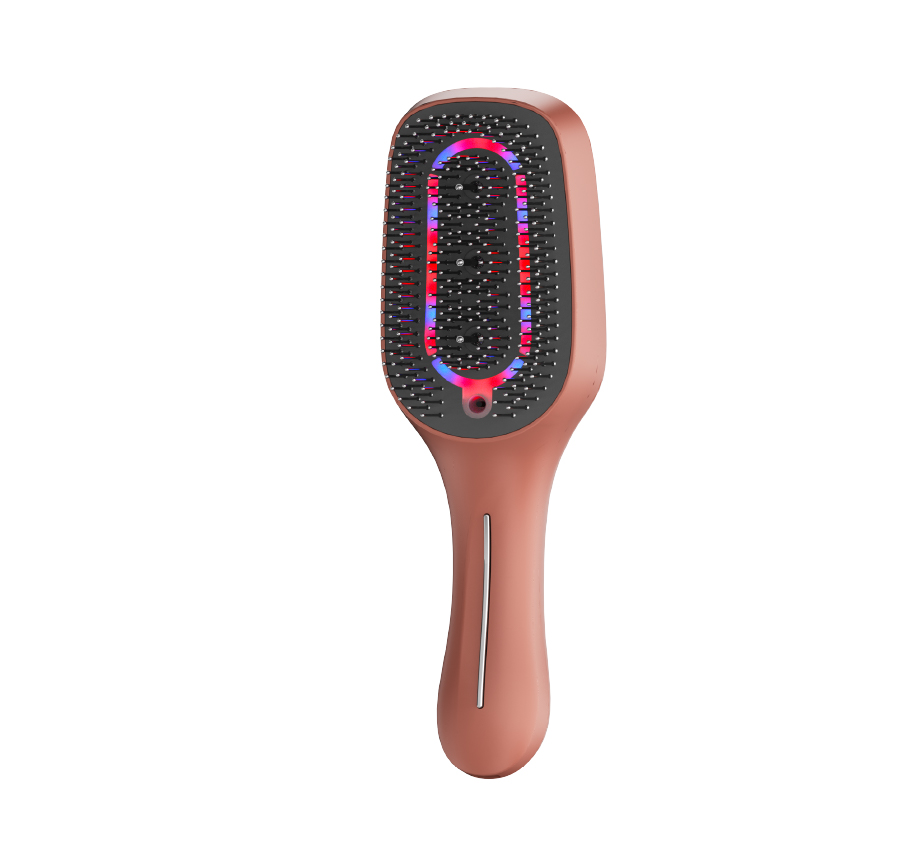
Scalp massage combs used in a brushing motion down the hair shaft help distribute sebum more evenly from the scalp to the lengths — a function traditionally served by natural bristle brushes, but achievable with modern scalp massage comb designs that combine scalp contact tines with broader hair-engaging structures. Regular sebum distribution can:
- Reduce the need for leave-in conditioners and hair oils by utilizing the scalp's own protective oils more efficiently
- Improve hair shine and smoothness by coating the hair shaft cuticle with a protective lipid layer
- Reduce static electricity buildup in dry hair by improving the hair shaft's moisture and oil balance
- Slow the rate at which the scalp becomes visibly oily by removing the excess sebum pooled at the roots before it builds up enough to flatten the hair
Scalp Tension Relief and Its Connection to Hair Loss
Scalp tension — chronic tightness of the galea aponeurotica (the fibrous tissue layer that covers the skull beneath the scalp skin) and the surrounding scalp muscles — is an increasingly recognized factor in certain types of hair loss, particularly the pattern of thinning seen in androgenetic alopecia (male and female pattern baldness).
The theory, developed by researchers who have observed that the areas of baldness in pattern hair loss correspond closely to the areas of greatest scalp tension and reduced scalp mobility, proposes that chronic tissue compression reduces blood flow and lymphatic drainage in the areas of tightest tension — creating conditions that accelerate follicle miniaturization in genetically susceptible individuals.
Regular scalp massage with a comb can measurably increase scalp mobility and reduce tissue tension over time when practiced consistently. This is particularly relevant for individuals who:
- Experience chronic stress, which increases muscle tension throughout the body including the scalp muscles
- Wear tight hairstyles (ponytails, braids, buns, or extensions) that place chronic mechanical tension on the scalp and hairline — a contributing factor in traction alopecia
- Have occupations or habits that involve prolonged forward head posture, which tightens the posterior scalp and neck muscles and may transfer tension to the scalp fascia
Beyond hair loss implications, the tension-relieving effect of scalp massage is also widely reported to reduce the frequency and severity of tension headaches — a quality-of-life benefit that extends beyond hair care.
Enhanced Absorption of Hair Growth Treatments
For people using topical hair growth treatments — minoxidil solution, peptide serums, caffeine-based treatments, rosemary oil, or other scalp tonics — scalp massage combs offer a significant practical advantage: they improve treatment absorption by preparing the scalp surface and enhancing local blood circulation at the time of application.
The mechanism works on two levels. First, exfoliation by the massage comb before treatment application removes the dead skin cell layer and product buildup that would otherwise act as a barrier between the topical treatment and the living scalp skin beneath. Second, the increased blood flow caused by massage improves the rate at which topically applied active ingredients are transported from the scalp surface into the deeper dermis where follicle cells reside.
A study examining the combined use of scalp massage with minoxidil treatment in patients with androgenetic alopecia found that participants who combined massage with minoxidil application showed greater hair regrowth outcomes than those who used minoxidil alone — suggesting a meaningful synergistic effect rather than simply additive benefits. For anyone investing in topical hair treatments, incorporating a scalp massage comb into the application routine is a simple step that can meaningfully improve treatment return on investment.
Types of Scalp Massage Combs and Their Specific Benefits
Not all scalp massage combs are identical — different designs offer different advantages for specific hair types, scalp conditions, and use contexts. Understanding the main types helps in selecting the right tool.
Silicone Scalp Massage Combs
The most popular modern design, featuring flexible silicone tines arranged in a wide-toothed comb or brush pattern. Silicone tines are gentle enough for sensitive scalps and fine hair, yet firm enough to provide effective stimulation. They are water-resistant and suitable for both dry and wet use — including use during shampooing, where they dramatically improve the lather distribution and cleansing thoroughness of shampoo. Silicone massage combs are easy to clean (dishwasher-safe in most cases), hygienic, and long-lasting.
Wide-Tooth Scalp Massage Combs
Designed with wider spacing between tines, these combs can penetrate through thick, dense, or curly hair to reach the scalp more effectively. They are particularly well-suited to natural hair, afro-textured hair, and hair with high density, where finer-tined tools cannot reach the scalp surface through the hair volume. Wide-tooth designs also double as detangling tools for wet hair, reducing breakage during post-wash combing.
Electric Vibrating Scalp Massage Combs
Battery-operated or rechargeable massage combs that add a vibration or oscillation component to the mechanical tine stimulation. The vibration provides a more intense massage sensation and may deliver more consistent pressure across the scalp without the effort of manual movement. These are particularly useful for people who find consistent manual massage techniques difficult due to fatigue, mobility limitations, or difficulty sustaining the required pressure and motion pattern for the recommended 4 to 10 minutes of daily massage.
Multi-Function Scalp Combs With Treatment Dispensers
Some advanced scalp massage comb designs incorporate a reservoir for liquid treatments — serums, oils, or minoxidil solutions — that dispenses the treatment directly at the scalp through or between the tines during massage. This design integrates scalp exfoliation, circulation stimulation, and treatment application into a single tool and single step, improving application efficiency and ensuring the treatment reaches the scalp surface directly rather than being deposited on the hair shaft.
| Comb Type | Best For | Key Advantage | Limitations |
|---|---|---|---|
| Silicone tine comb | Fine to medium hair, sensitive scalp, wet use | Gentle, hygienic, multi-use context | May not reach scalp through very thick hair |
| Wide-tooth comb | Thick, curly, afro-textured, or natural hair | Scalp access through dense hair + detangling | Less stimulation per unit area than fine-tine combs |
| Electric vibrating comb | Consistency seekers, limited mobility users | More intense, consistent stimulation with less effort | Higher cost; requires charging/batteries |
| Treatment-dispensing comb | Users applying minoxidil, serums, or oils | Combines massage + treatment in one step | More complex to clean; reservoir size limits use |
Scalp Massage Combs for Different Hair and Scalp Conditions
The benefits of scalp massage combs apply broadly, but the way they help varies depending on specific hair and scalp conditions. Understanding this helps set realistic expectations and tailor usage for maximum benefit.
Hair Thinning and Hair Loss
For people experiencing hair thinning or early-stage androgenetic alopecia, consistent scalp massage with a comb represents one of the few non-pharmacological interventions supported by research evidence. The combination of improved follicle blood supply, reduced scalp tension, mechanical stimulation of follicle cells, and enhanced absorption of any topical treatments used collectively creates a more favorable follicle environment. The key is consistency over time — most studies that show measurable results used daily massage for at least 24 weeks. Short-term or occasional use is unlikely to produce noticeable changes.
Dandruff and Seborrheic Dermatitis
For dandruff sufferers, scalp massage combs provide mechanical exfoliation that complements the antifungal or keratolytic action of medicated shampoos. By loosening adherent skin flakes before shampooing, the comb increases the contact between the active shampoo ingredient and the scalp surface, improving treatment efficacy. For seborrheic dermatitis — a more inflammatory scalp condition associated with the overgrowth of Malassezia yeast — gentle massage can reduce the buildup of scale without the aggressive scratching that can worsen inflammation.
Oily Scalp and Frequent Washing
Paradoxically, people with oily scalps can benefit significantly from regular scalp massage with a comb. Chronic over-washing of oily scalps strips sebum too aggressively, triggering a compensatory increase in sebum production — the rebound oiliness effect that many people with fine, oily hair experience when they try to reduce wash frequency. Regular scalp massage helps normalize sebum production over time by improving circulation and distributing existing sebum more efficiently, potentially reducing the scalp's need to overproduce oil.
Dry Scalp and Itchiness
Dry scalp — characterized by tightness, itching, and fine, powdery flaking — responds well to scalp massage combined with a nourishing scalp oil. The massage comb distributes the applied oil evenly across the scalp surface and works it into the skin more effectively than finger application alone, while the mechanical stimulation of the tines provides temporary relief from the itch sensation by activating touch receptors that compete with the itch signal pathway.
Post-Partum Hair Loss
Post-partum hair shedding — a temporary but often alarming phase of increased hair loss experienced by many women in the 3 to 6 months after childbirth — occurs when hair follicles that remained in the growth phase during pregnancy enter the shedding phase simultaneously after delivery. While scalp massage cannot prevent or significantly accelerate the resolution of this hormonally driven shedding cycle, the circulatory stimulation and follicle support it provides helps ensure that the follicles are in the best possible condition to resume normal growth as the hormone-driven shedding phase concludes.
How to Use a Scalp Massage Comb Effectively
Getting the most benefit from a scalp massage comb requires correct technique, appropriate frequency, and integration into the right points in your hair care routine. Here is the evidence-informed approach to using a scalp massage comb effectively:
- Choose the right context: Scalp massage combs can be used on dry hair before washing (to loosen buildup and prepare the scalp), during shampooing (to improve cleansing and lather distribution), after applying treatment serums or oils (to improve absorption), or simply as a standalone relaxation and stimulation practice at any time.
- Apply gentle but firm pressure: Press the tines firmly enough to feel contact with the scalp through the hair, but never hard enough to cause discomfort or skin abrasion. The correct pressure is a firm, pleasant sensation — not pain, not light tickling. For most people this is approximately the same pressure you would use when scratching a mildly itchy area.
- Use small circular or back-and-forth movements: Move the comb in small circles or short back-and-forth strokes across the scalp surface, covering all areas systematically. Move section by section — starting at the front hairline, working to the crown, then to the sides, and finally the back of the head. This ensures complete coverage rather than repeatedly massaging the same convenient areas.
- Maintain the right duration: Research protocols that produced measurable results used massage durations of 4 to 11 minutes per day. For practical daily use, aim for at least 5 minutes. Shorter sessions still provide benefit but may produce slower or less pronounced results. Longer sessions (10 to 15 minutes) are beneficial but not always practical for daily practice.
- Practice daily or near-daily: The benefits of scalp massage are cumulative — they build with consistent repetition over weeks and months. Occasional use provides temporary circulation and relaxation benefits but is unlikely to produce the long-term structural improvements to follicle environment and hair shaft thickness that research has demonstrated.
- Clean the comb regularly: Remove accumulated hair and scalp debris from the tines after each use by rinsing under warm water. Deep clean weekly with a mild soap or shampoo solution to prevent bacterial or yeast growth on the tool surface — a hygienic practice especially important for people with scalp conditions.
Potential Risks and Situations Where Caution Is Needed
While scalp massage combs are safe for the vast majority of people, there are specific situations where extra caution — or temporary avoidance — is appropriate.
- Active scalp wounds, open sores, or psoriasis plaques: Mechanical stimulation of broken or inflamed skin can worsen irritation, introduce bacteria, and delay healing. Avoid massage over active lesions and seek dermatological treatment first.
- Severe seborrheic dermatitis or scalp eczema flares: During active inflammatory flares, vigorous mechanical exfoliation can increase inflammation. Use only the gentlest silicone tine combs with minimal pressure, or pause scalp massage until the acute flare is managed with appropriate treatment.
- Fungal scalp infections (tinea capitis): Scalp massage during an active fungal infection can spread the infection to adjacent scalp areas. Antifungal treatment should precede resumption of massage.
- Wet, heavily tangled hair: Using a scalp massage comb aggressively on severely tangled wet hair can cause mechanical breakage. In this context, always detangle gently with a wide-tooth comb first before any scalp massage motions.
- Chemotherapy-related hair loss (alopecia): During active chemotherapy, the scalp and remaining follicles may be more sensitive to mechanical stimulation. Consult with the treating medical team before using any mechanical scalp stimulation tools during cancer treatment.
Scalp Massage Combs vs Fingers: Which Is More Effective?
A common question is whether using a scalp massage comb provides any meaningful advantage over simply massaging the scalp with fingertips — a technique that is free and always available. The honest answer is that both methods provide circulation-stimulating and tension-relieving benefits, but each has distinct advantages.
| Feature | Scalp Massage Comb | Fingertip Massage |
|---|---|---|
| Exfoliation ability | Strong — tines physically dislodge dead skin and buildup | Minimal — fingertips too broad to dislodge scale |
| Scalp access through hair | Good — tines part hair to reach scalp | Limited in thick or long hair |
| Coverage consistency | Systematic coverage of full scalp area | Tends to focus on comfortable or accessible areas |
| Use with wet hair / shampoo | Excellent — enhances lather and cleansing | Adequate but less effective exfoliation |
| Hygiene | Cleanable tool; no transfer of hand bacteria | Transfers bacteria from fingernails if not clean |
| Physical effort required | Low — comb does much of the work | Higher — sustained hand and wrist motion needed |
| Cost | Low (most scalp massage combs cost $5–$25) | Free |
For maximum benefit, the ideal approach is to use both: a scalp massage comb during or before shampooing (where its exfoliation, scalp-access, and lather-enhancing benefits shine most distinctly), and fingertip massage at other times for the deep kneading and tension-relief that fingers are uniquely well-suited to provide. Using both in a complementary routine captures the specific advantages of each method without sacrificing either.
What Realistic Results to Expect and How Long They Take
Setting realistic expectations is important when starting a scalp massage comb routine, especially for those hoping for hair regrowth or thickening results. The timeline and magnitude of benefits vary by individual and by the specific outcome being targeted:
- Reduced scalp oiliness and improved cleansing: Often noticeable within the first 1 to 4 weeks of consistent use during shampooing — the scalp feels cleaner and less itchy after washing
- Reduced dandruff and scalp flaking: Improvement typically within 2 to 6 weeks when combined with appropriate shampoo — as the exfoliation effect removes accumulated scale more thoroughly with each wash
- Improved hair shine and smoothness: Visible in 4 to 8 weeks as natural oils are distributed more effectively along the hair shaft with regular use
- Reduced hair shedding: Noticeable reduction in shedding, if related to scalp health factors, typically requires 8 to 16 weeks of consistent daily massage
- Increased hair thickness or regrowth: The most demanding outcome — clinical studies using daily massage showed measurable hair shaft thickness increases at 24 weeks (6 months). This timeline aligns with the hair growth cycle, as follicles take several months to respond to improved conditions and produce visibly thicker hair fiber
It is also important to acknowledge the boundaries of what scalp massage combs can realistically achieve. They are a supportive tool for scalp health — not a standalone cure for significant genetic hair loss, hormonal alopecia, or autoimmune hair conditions. People with moderate to severe hair loss conditions should use scalp massage combs as a complement to appropriate medical treatment, not as a replacement for it.
 Previous

 +86-574-63982198
 +86-574-63982197
 No. 933, Lingxu 2nd Road, Binhai Economic Development Zone, Cixi, Zhejiang, China.