

 English
 中文简体
中文简体 Español
Content
- 1 Prep Steps That Cut Drying Time in Half
- 2 Choosing the Right Heat and Speed Settings
- 3 Correct Drying Technique for Speed and Less Damage
- 4 Why Motor Type and Airflow Speed Matter
- 5 Common Mistakes That Slow Down Drying Time
- 6 Choosing a Hair Dryer Built for Speed
- 7 Simple Habits to Maintain Hair Health While Drying Faster
The fastest way to dry hair with a Hair Dryer without causing damage is to remove as much water as possible with a microfiber towel first, then dry using medium heat and high airflow while keeping the nozzle moving constantly, rather than holding it in one spot. Hair that is towel-dried properly before blow-drying can cut total drying time by nearly half, since a standard cotton towel leaves more residual moisture behind than a microfiber towel, which absorbs water more efficiently due to its finer fiber structure.
A high-speed motor also plays a major role in drying time. Dryers built with brushless digital motors typically move air at higher velocity than older AC motor designs, which shortens the time hair spends exposed to heat and reduces cuticle damage from prolonged drying sessions.
Prep Steps That Cut Drying Time in Half
Most of the time lost during blow-drying happens because hair goes into the dryer far wetter than it needs to. Proper prep removes excess water mechanically instead of relying entirely on heat and airflow to do the work.
Effective pre-drying steps
- Squeeze out excess water gently after washing rather than rubbing the hair
- Wrap hair in a microfiber towel for 3 to 5 minutes to absorb surface moisture
- Apply a lightweight heat protectant spray to reduce moisture loss stress on the cuticle
- Detangle hair before drying to avoid repeated passes over the same section
Skipping the microfiber step and going straight from a shower to the dryer often adds several extra minutes to the process, since more water needs to be evaporated purely through heat exposure.
Choosing the Right Heat and Speed Settings
Using the highest heat setting does not necessarily dry hair faster and can increase the risk of damage. A combination of medium to high airflow with moderate heat is generally more effective, since airflow does most of the work moving moisture away from the hair shaft while heat helps convert it to vapor.
Recommended settings by hair type
| Fine hair | Low to medium heat, high airflow speed |
| Medium thickness hair | Medium heat, medium to high airflow speed |
| Thick or coarse hair | Medium to high heat, high airflow speed |
Finishing with a cool shot for the last 15 to 20 seconds helps seal the hair cuticle, which improves shine and reduces frizz after the drying process is complete.
Correct Drying Technique for Speed and Less Damage
How the dryer is moved across the hair matters as much as the settings used. Holding the nozzle too close or keeping it stationary over one section concentrates heat and increases the chance of dryness or breakage.
Step by step drying technique
- Section hair into two or three parts using clips to work through it systematically
- Hold the dryer 15 to 20 centimeters from the hair and keep it moving continuously
- Direct airflow downward along the hair shaft to smooth the cuticle and reduce frizz
- Dry roots first since they hold more moisture, then move to mid-lengths and ends
- Finish with a cool shot pass over the entire head to lock in smoothness
Working in sections rather than drying the whole head at once prevents any single area from being blasted with heat repeatedly while other sections remain untouched, which is one of the most common mistakes that extends total drying time.
Why Motor Type and Airflow Speed Matter
Not all hair dryers move air at the same rate, and this directly affects how long drying takes. Dryers with a brushless digital motor generally produce stronger, more consistent airflow than older motor types, which can shave real time off a daily routine.
Consumer testing of high-speed hair dryers by beauty product review outlets has found that models with airflow speeds above 60,000 RPM can dry medium-length hair in roughly half the time of standard dryers running below 20,000 RPM. This difference becomes especially noticeable for people with thick or long hair, where total drying time can otherwise stretch past 15 minutes.
Common Mistakes That Slow Down Drying Time
Even with a good dryer, certain habits can undo the time savings from proper technique and equipment.
- Skipping the towel-drying step and starting with dripping wet hair
- Holding the dryer too far away, which reduces airflow effectiveness on the hair surface
- Drying hair in one large section instead of dividing it into manageable parts
- Using a clogged or dusty air filter, which reduces airflow output over time
Cleaning the dryer's air intake filter regularly is often overlooked, yet a blocked filter can noticeably reduce airflow strength and force the motor to work harder while producing less drying power.
Choosing a Hair Dryer Built for Speed
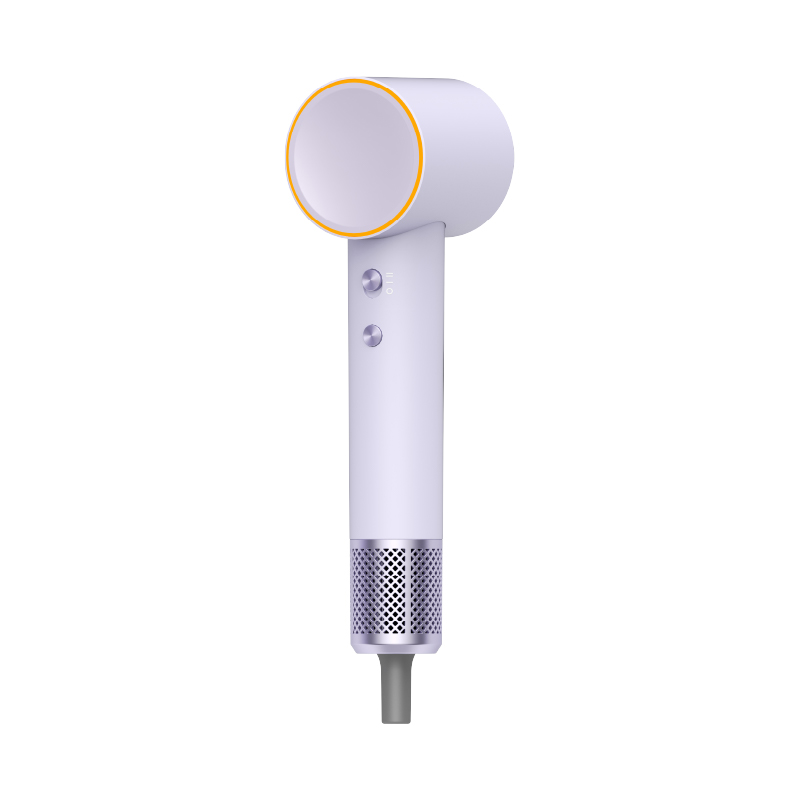
For anyone looking to shorten their daily routine, the dryer itself is one of the biggest variables. Features like a high-speed digital motor, multiple heat and speed settings, and a cool shot function all contribute to a faster and gentler drying experience.
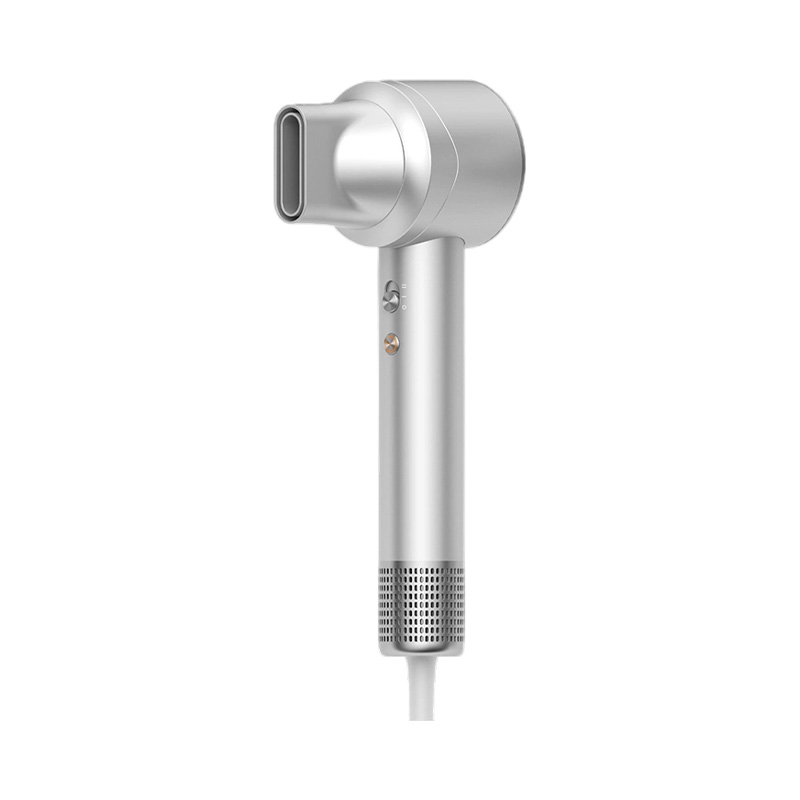
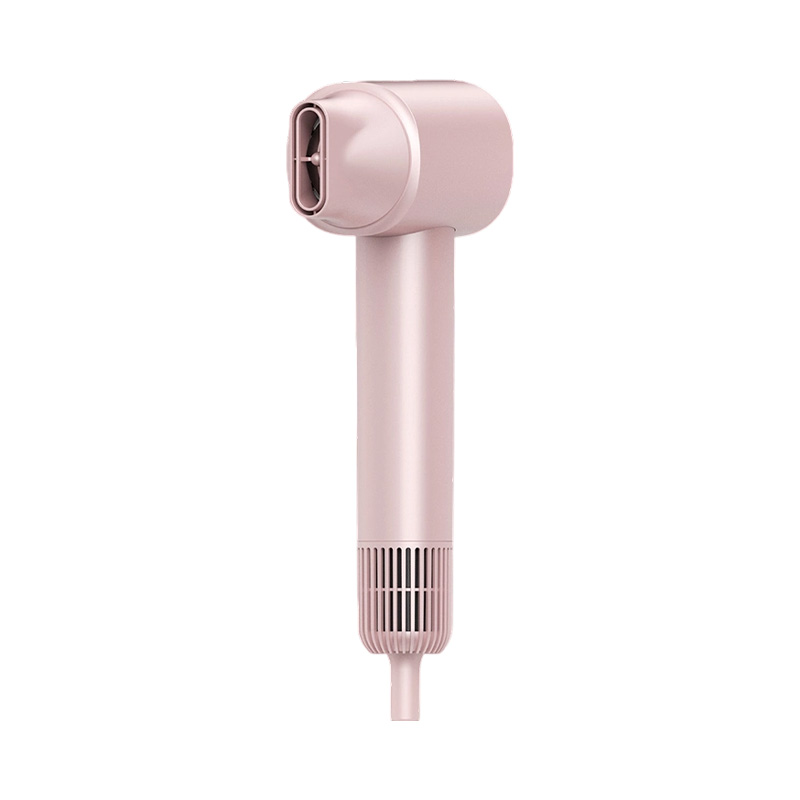
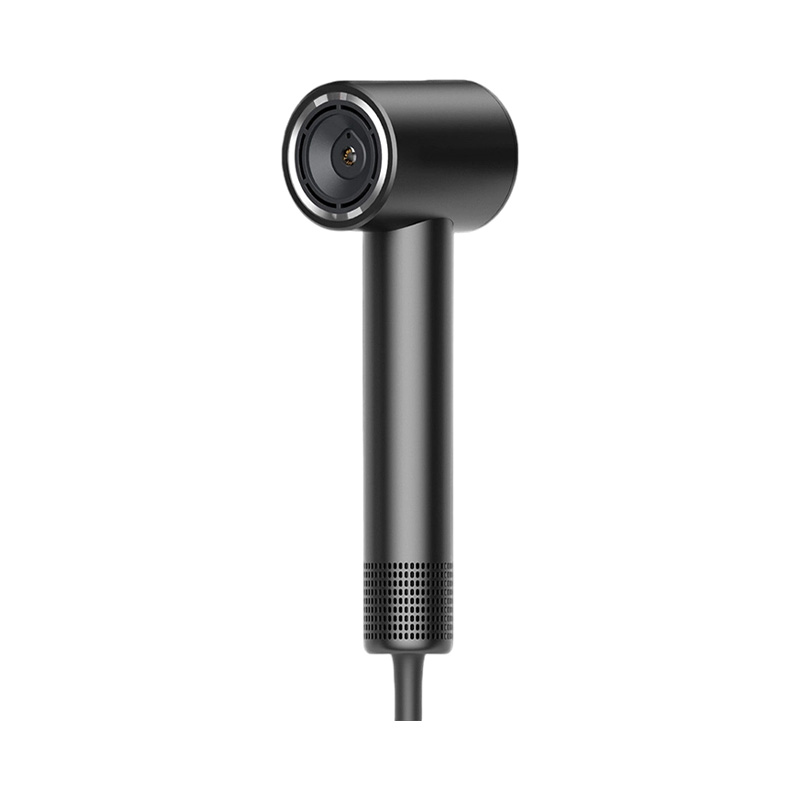
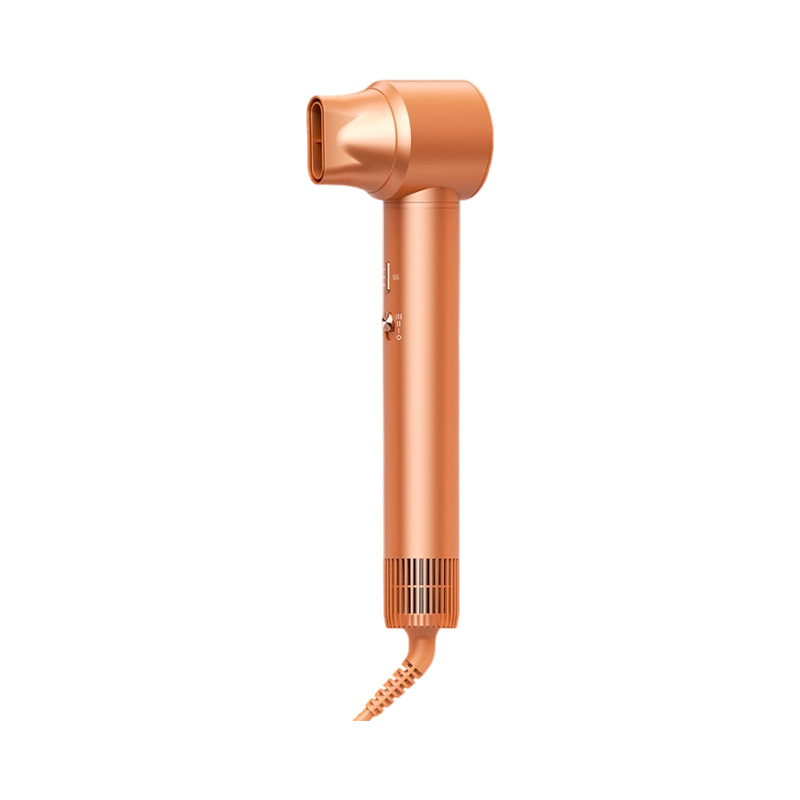
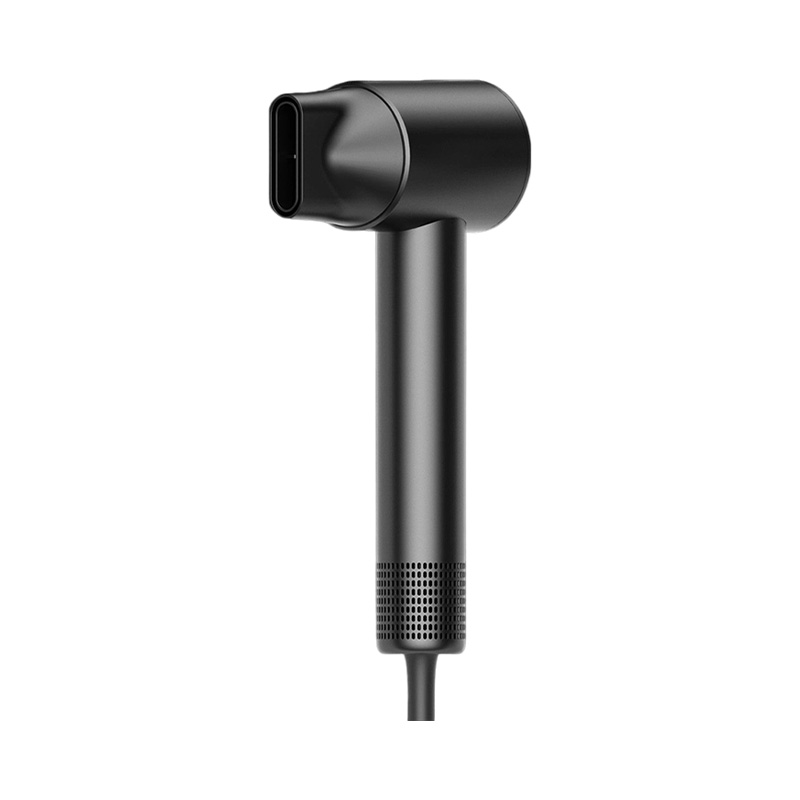
Models such as the Hair Dryer designs from Highspeed are built around brushless motor technology specifically to move more air in less time, which helps reduce the overall heat exposure hair experiences during a typical drying session.
Simple Habits to Maintain Hair Health While Drying Faster
Speed and hair health do not have to be at odds. Using a heat protectant, avoiding the highest heat setting unless necessary, and finishing with a cool shot all help preserve hair condition even when drying time is shortened.
Sticking to a consistent routine, proper towel prep, sectioned drying, moderate heat, and a final cool pass, allows most people to cut several minutes off their daily drying time while keeping their hair in better condition over the long run.
 Previous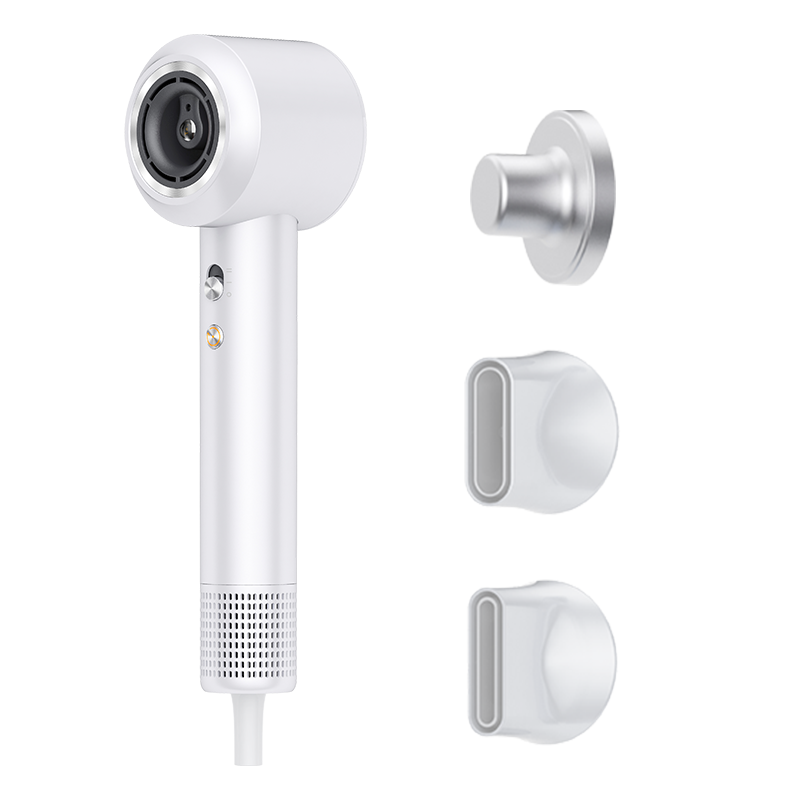

 +86-574-63982198
 +86-574-63982197
 No. 933, Lingxu 2nd Road, Binhai Economic Development Zone, Cixi, Zhejiang, China.