

 English
 中文简体
中文简体 Español
Content
In the world of hair care, temperature control has become a significant factor in maintaining hair health and achieving desirable styling results. Many users wonder whether investing in a hair dryer with advanced temperature management features truly makes a difference in their daily routine. The answer lies in understanding how heat affects hair structure and how modern technology addresses these concerns.
The Science Behind Temperature-Controlled Hair Drying
Traditional hair dryers often operate with limited temperature options, leaving users to guess the appropriate heat level for their hair type. This approach can lead to inconsistent results and potential damage from excessive heat exposure. Modern temperature-controlled hair dryers represent a shift toward more precise and personalized hair care, offering users greater control over their styling experience.
The technology behind these devices involves sophisticated sensors and microprocessors that continuously monitor and adjust the heat output. This intelligent system maintains a consistent temperature throughout the drying process, preventing the hot spots and fluctuations common in conventional models. The result is a gentler drying experience that minimizes damage while still delivering efficient performance.
Understanding Hair Structure and Heat Sensitivity
Hair consists of multiple layers, with the outermost layer called the cuticle playing a crucial role in protecting the inner structure. When exposed to excessive heat, the cuticle can become damaged, leading to issues like brittleness, split ends, and dullness. Different hair types have varying heat tolerances, which is why personalized temperature settings are so valuable.
Fine or color-treated hair typically requires lower temperatures to prevent damage, while thicker hair types might need higher heat settings for effective drying. The ability to adjust and maintain specific temperatures allows users to tailor their drying routine to their unique hair needs, promoting better long-term hair health.
The Role of Automatic Temperature Regulation
One of the significant advancements in hair dryer technology is the implementation of automatic temperature control systems. These intelligent features continuously monitor the output temperature and make real-time adjustments to maintain consistent heat levels. This technology helps prevent the temperature spikes that can occur when the dryer is moved closer to or farther from the hair.
Automatic temperature regulation also considers factors like room temperature and airflow resistance, ensuring the heat reaching your hair remains consistent regardless of usage conditions. This consistency helps protect both the hair and scalp from potential heat damage while still providing effective drying performance.
| Temperature Range | Suitable Hair Type | Recommended Use |
|---|---|---|
| Low (80-100°F) | Fine, damaged, or color-treated hair | Gentle drying and finishing |
| Medium (100-140°F) | Normal to medium-thick hair | Everyday drying and styling |
| High (140-180°F) | Thick or coarse hair | Quick moisture removal |
| Cool Shot | All hair types | Setting style and adding shine |
Scalp Health: The Overlooked Aspect of Hair Drying
While much attention is given to hair protection, scalp health is equally important yet often overlooked. Excessive heat can cause scalp irritation, dryness, and discomfort. Modern hair dryers with intelligent temperature control help address this concern by maintaining safe heat levels that won't damage the sensitive scalp tissue.
The scalp contains numerous sebaceous glands that produce natural oils essential for hair health. When exposed to high temperatures, these glands can be disrupted, leading to either overproduction or underproduction of natural oils. Proper temperature control helps maintain the scalp's natural balance, contributing to healthier hair growth and reduced irritation.
Protecting Scalp Tissue During Drying
The skin on our scalp is particularly sensitive to temperature changes. Traditional hair dryers that produce inconsistent heat can create hot spots that may cause discomfort or even minor burns. Intelligent temperature control systems prevent these issues by maintaining consistent, safe heat levels throughout the drying process.
Additionally, many modern hair dryers incorporate features like even heat distribution and appropriate airflow patterns that further enhance scalp protection. These design elements work together to create a comfortable drying experience that doesn't compromise scalp health.
The Benefits of Adjustable Fan Speed Systems
Temperature control works hand in hand with adjustable fan speed to provide a comprehensive drying solution. The ability to modify airflow allows users to customize their drying experience based on their specific needs and preferences. This combination of temperature and speed control offers versatility that traditional hair dryers cannot match.
Lower fan speeds combined with moderate temperatures work well for delicate hair types or when creating specific styles. Higher speeds can be used for quick moisture removal, especially when working with thick hair. The flexibility to adjust both parameters independently gives users precise control over their styling routine.
Finding Your Ideal Combination
Experimenting with different temperature and speed combinations helps users discover what works best for their hair type and styling goals. A good starting point is using medium heat with medium speed for general drying, then adjusting based on how your hair responds. Fine hair might require lower settings, while thick hair might need higher speeds for efficient drying.
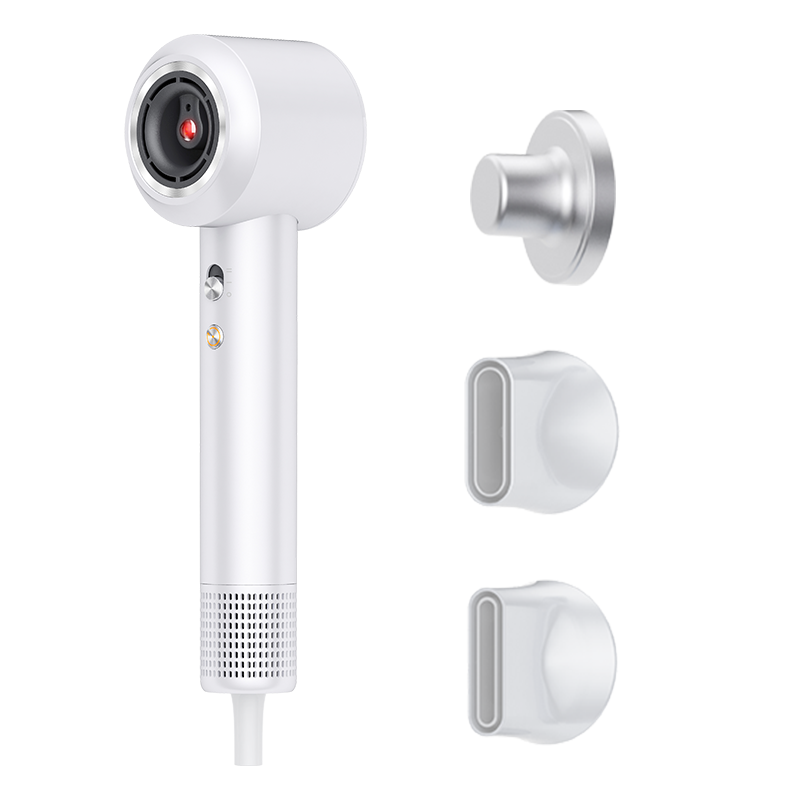
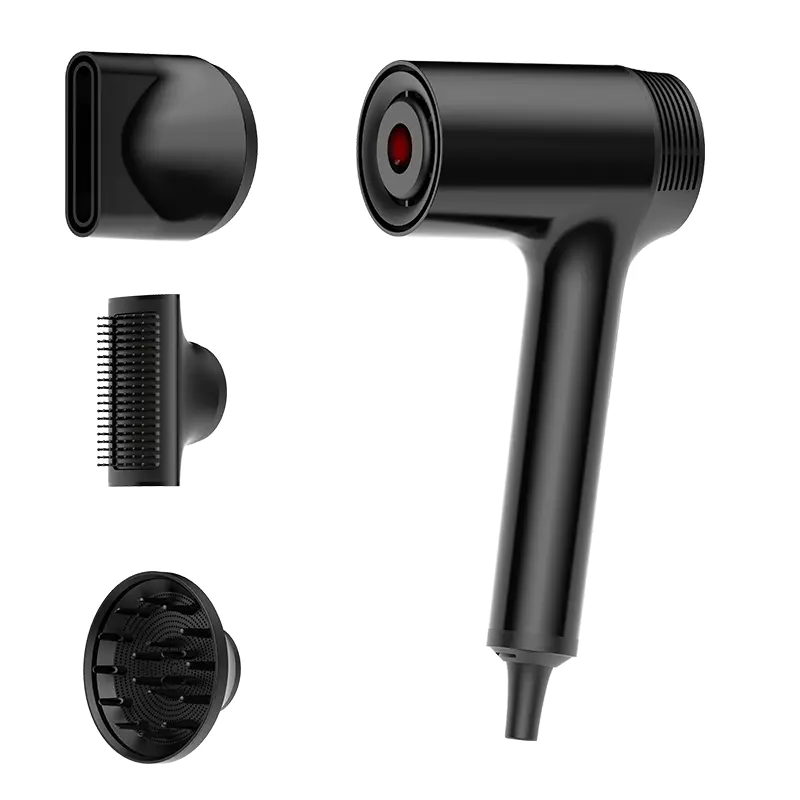
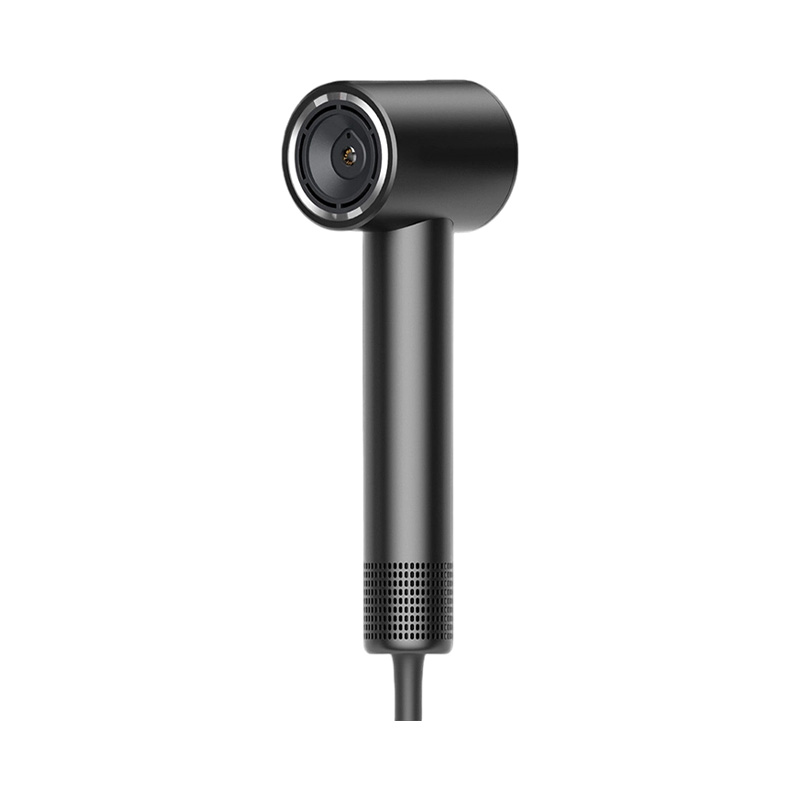
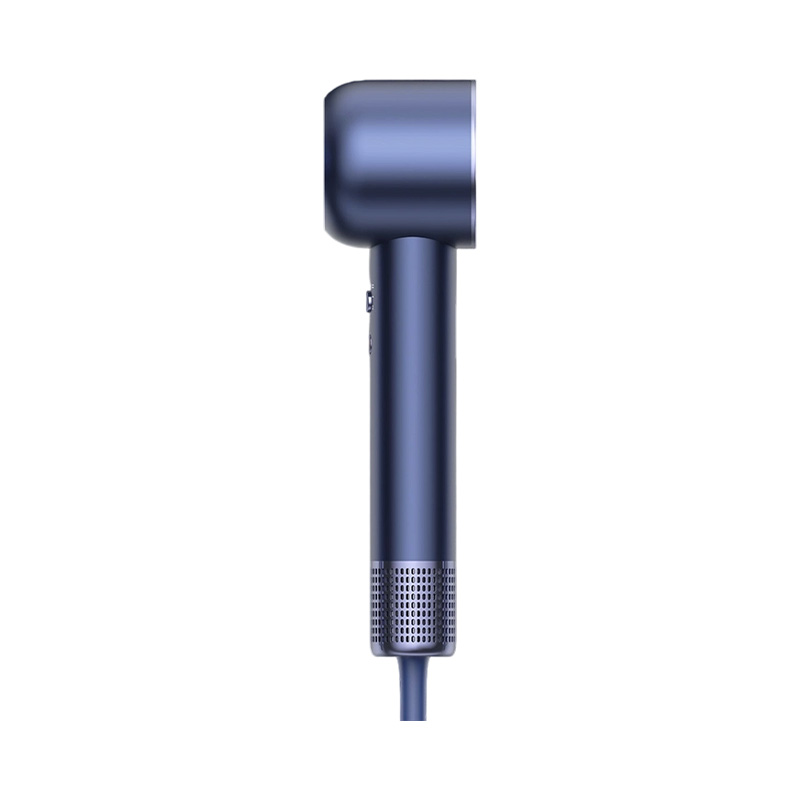
The KH-803A Intelligent Temperature-Controlled Hair Dryer exemplifies this approach with its adjustable fan speed and precise temperature control system. Users can easily customize their drying experience according to personal preferences and needs, making it a versatile tool for various hair types and styling requirements.
| Styling Goal | Temperature Setting | Fan Speed | Technique |
|---|---|---|---|
| Quick Dry | Medium to High | High | Rough dry, moving continuously |
| Smooth Finish | Medium | Medium | Use concentrator, downward motion |
| Volume Creation | Medium | Low to Medium | Lift roots, circular motion |
| Style Setting | Cool Shot | Low to Medium | Apply to finished style |
Safety Features in Modern Hair Dryers
Beyond temperature control, modern hair dryers incorporate various safety features that enhance user experience and prevent accidents. These include automatic shut-off mechanisms, overheat protection, and ergonomic designs that reduce the risk of burns or other injuries. The focus on safety reflects a broader understanding of user needs and concerns.
Automatic shut-off features are particularly valuable, as they prevent the dryer from overheating if accidentally left on. Some models also include sensors that detect when the airflow is blocked, automatically adjusting settings to maintain safe operation. These features provide peace of mind and extend the life of the device.
Energy Efficiency and Environmental Considerations
Modern hair dryers are also designed with energy efficiency in mind. Intelligent temperature control systems consume only the necessary power to maintain set temperatures, reducing overall energy consumption. This not only saves on electricity costs but also aligns with growing environmental concerns about energy usage.
The durability and longevity of well-constructed hair dryers contribute to sustainability by reducing the frequency of replacements. Many manufacturers now use recyclable materials and implement eco-friendly production processes, further minimizing environmental impact.
Making the Right Choice for Your Hair Type
Selecting the appropriate hair dryer involves considering multiple factors including hair type, styling needs, and budget. While advanced features like intelligent temperature control offer clear benefits, it's important to choose a model that aligns with your specific requirements. Understanding your hair's characteristics and how it responds to heat can guide your decision.
Those with fine or damaged hair should prioritize models with precise low-temperature settings and gentle airflow. Users with thick or coarse hair might benefit from higher heat options and stronger airflow. Professional stylists or those who style their hair frequently might appreciate the versatility and consistency offered by advanced temperature control systems.
Tips for Maximizing Hair Dryer Benefits
To get the most out of your temperature-controlled hair dryer, follow these guidelines: always start with towel-dried hair to reduce drying time, use heat protectant products for additional protection, and maintain appropriate distance between the dryer and your hair. Regular cleaning of filters and proper maintenance will also ensure consistent performance and extend the life of your device.
Experiment with different settings to find what works best for your hair type and styling goals. Remember that higher temperatures don't always mean faster drying – sometimes, moderate heat with higher airflow can be more effective and gentler on your hair.
The Future of Hair Drying Technology
As technology continues to evolve, we can expect further innovations in hair drying appliances. Future developments may include AI-powered systems that automatically adjust to individual hair types, smart connectivity features that remember preferred settings, and even more advanced temperature sensors for precise control.
The integration of sustainable materials and energy-efficient designs will likely become standard, reflecting growing environmental awareness. We may also see improvements in battery technology for cordless models, making them more practical for everyday use while maintaining the performance of corded versions.
Conclusion: Embracing Intelligent Hair Care
The advancement of temperature control technology in hair dryers represents a significant step forward in personal hair care. By providing users with precise control over heat and airflow, modern devices offer a safer and more effective alternative to traditional models. The focus on both hair and scalp health demonstrates a comprehensive understanding of user needs.
As with any personal care investment, the key is finding the right balance between features, performance, and your specific requirements. Taking the time to understand how temperature control works and how it benefits your hair type can help you make an informed decision that will enhance your daily routine and promote long-term hair health.
 Previous

 +86-574-63982198
 +86-574-63982197
 No. 933, Lingxu 2nd Road, Binhai Economic Development Zone, Cixi, Zhejiang, China.