

 English
 中文简体
中文简体 Español
Content
- 1 The Science Behind High-Speed Airflow Technology
- 2 The Role of Negative Ion Technology in Hair Health
- 3 Noise Reduction Technology: A Quiet Revolution
- 4 Multi-Speed Versatility: Adapting to Every Hair Type
- 5 Heat Damage Prevention: A Core Focus
- 6 The Economics of High-Speed Hair Dryers
- 7 Professional Insights: What Stylists Look For
- 8 Maintenance and Longevity
- 9 Future Trends in Hair Dryer Technology
- 10 Making the Right Choice for Your Needs
- 11 Conclusion: Transforming Your Hair Care Routine
In today's fast-paced world, time has become one of our most valuable resources. Many people find themselves wondering whether investing in advanced hair care technology can genuinely make a difference in their busy schedules. The question arises frequently: "How much time can I actually save with a modern hair dryer?" This inquiry reflects a broader desire for efficiency without compromising on results, particularly when it comes to personal grooming routines that many of us perform daily.
The evolution of hair drying technology has been remarkable over the past decade. What once was a simple tool for removing moisture from hair has transformed into a sophisticated device that combines speed, hair health protection, and user comfort. Understanding how these advancements work and what they mean for your daily routine can help you make informed decisions about your hair care investments.
The Science Behind High-Speed Airflow Technology
Modern high-speed hair dryers operate on principles that differ significantly from their traditional counterparts. The key innovation lies in the motor technology and airflow engineering. While conventional hair dryers rely primarily on heat to evaporate water from hair, advanced models focus on moving large volumes of air at high speeds to physically remove water droplets.
This approach is not only more efficient but also gentler on hair. The powerful motors found in contemporary hair dryers can generate impressive airflow rates measured in cubic feet per minute. This concentrated air stream works to separate individual hair strands, allowing moisture to escape more readily. The result is a drying process that can reduce drying time by up to 50% compared to traditional models.
Understanding Motor Technology Evolution
The heart of any hair dryer is its motor, and recent advancements in this area have been transformative. Traditional AC motors, while durable, often produced limited airflow and considerable noise. DC motors offered improvements in weight and noise but sometimes lacked the power needed for rapid drying.
The latest generation of brushless motors represents a significant leap forward. These motors combine high RPM capabilities with energy efficiency and reduced noise production. They can maintain consistent performance even under varying load conditions, ensuring steady airflow throughout the drying process. The engineering behind these motors focuses on optimizing the balance between speed, torque, and energy consumption.
Airflow Dynamics and Hair Structure
To appreciate how modern hair dryers work, it's helpful to understand hair structure. Each hair strand consists of multiple layers, with the outermost layer called the cuticle. When wet, the cuticle lifts, making hair more vulnerable to damage. High-speed airflow helps remove water without excessive heat, allowing the cuticle to lie flat more quickly.
The physics behind this process involves Bernoulli's principle and boundary layer effects. As high-velocity air moves across hair strands, it creates pressure differences that help pull water away from the hair surface. This mechanical removal of water is more efficient than relying solely on heat evaporation, particularly for the initial drying phase when hair contains the most moisture.
| Technology Feature | Traditional Hair Dryers | Modern High-Speed Models | Impact on Drying Time |
|---|---|---|---|
| Motor Type | AC/DC conventional | Brushless high-speed | 30-50% reduction |
| Airflow Speed | 50-70 CFM | 80-110+ CFM | 40% faster moisture removal |
| Heat Application | Primary drying method | Secondary to airflow | Reduced heat damage risk |
| Noise Level | 85-95 dB | 70-80 dB | More comfortable experience |
The Role of Negative Ion Technology in Hair Health
One of the significant advancements in modern hair dryers is the integration of negative ion generators. This technology addresses a common problem associated with hair drying: static electricity and frizz. When hair is dried, especially with heat, it can develop a positive electrical charge, causing individual strands to repel each other and create frizz.
Negative ion technology works by emitting millions of negatively charged particles during operation. These ions neutralize the positive charges in hair, helping strands lie flat and smooth. The result is reduced frizz, increased shine, and more manageable hair. But the benefits don't stop there.
How Negative Ions Transform Hair Drying
The science behind negative ion technology is fascinating. Water molecules on hair carry a positive charge. When negative ions are introduced, they attract these water molecules, breaking them down into smaller particles that evaporate more quickly. This process, known as atomization, accelerates drying without requiring additional heat.
Furthermore, negative ions help seal the hair cuticle. When the cuticle lies flat, it reflects more light, giving hair a shinier appearance. It also provides better protection against environmental damage and moisture loss. This is why many users report that their hair looks healthier and feels smoother after using ion-generating hair dryers.
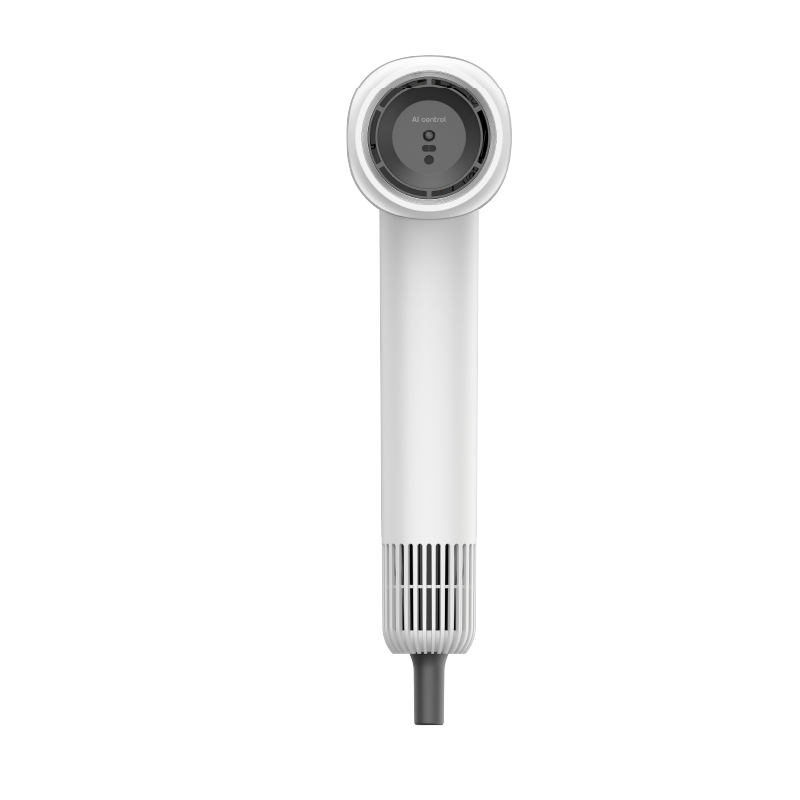
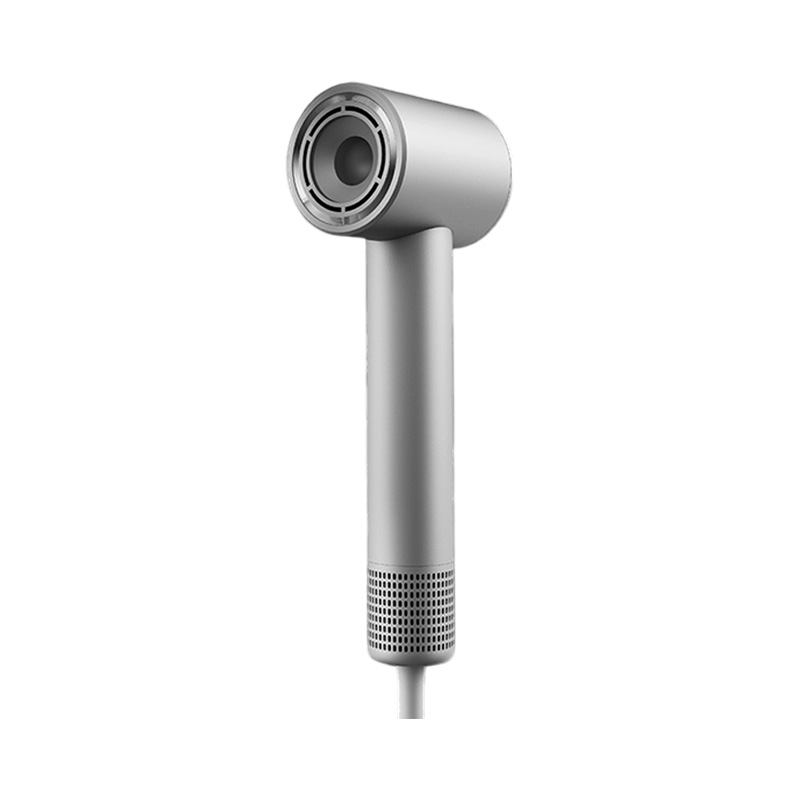
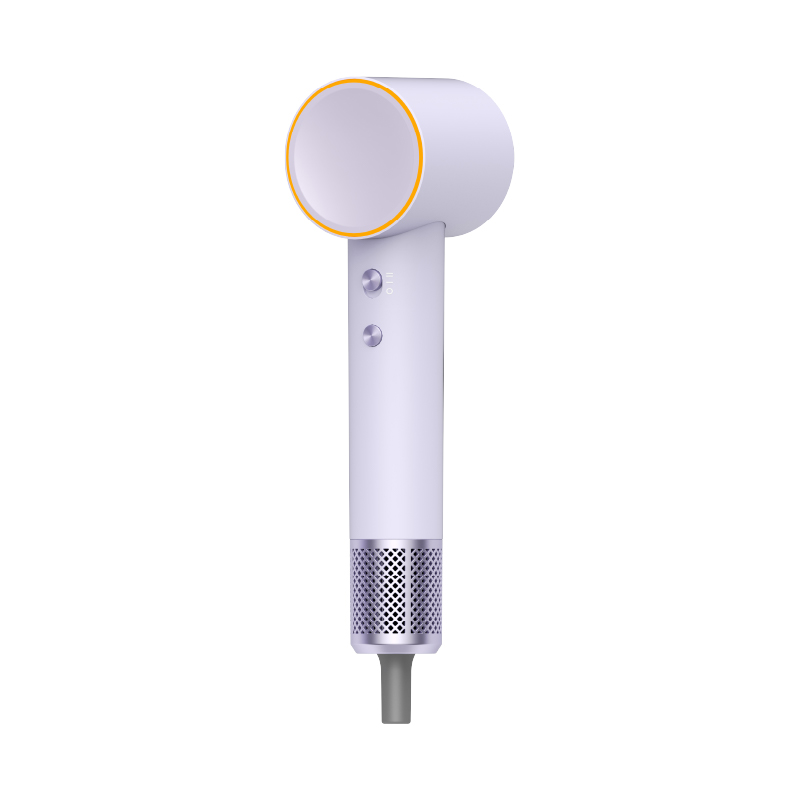
The KH-801A Multi-Speed Adjustable High Speed Hair Dryer incorporates advanced negative ion technology, producing 200 million negative ions per cubic centimeter. This high concentration ensures effective neutralization of static and efficient water molecule breakdown, contributing to both faster drying and improved hair appearance.
Long-Term Benefits of Ion Technology
Consistent use of negative ion technology can lead to cumulative improvements in hair health. By reducing the need for high heat, these devices help preserve the natural moisture balance of hair. Over time, this can result in reduced breakage, fewer split ends, and improved overall hair texture.
Additionally, the smoothing effect of ions can reduce the need for additional styling products like anti-frizz serums or smoothing creams. This not only saves money but also reduces product buildup on hair, allowing it to maintain its natural vitality and bounce.
Noise Reduction Technology: A Quiet Revolution
Anyone who has used traditional hair dryers knows about the noise issue. The loud whine can be disruptive, especially in households with multiple people or during early morning routines. Modern hair dryers address this concern through innovative acoustic engineering.
Noise reduction in hair dryers involves multiple approaches. The first is motor design itself. Brushless motors inherently produce less noise than their brushed counterparts. Additionally, the housing design incorporates sound-dampening materials and aerodynamic optimizations that reduce turbulence-related noise.
Acoustic Engineering in Hair Dryers
The science of noise reduction in hair dryers draws from automotive and aerospace engineering. Engineers use computational fluid dynamics to optimize airflow paths, minimizing turbulence and the associated noise. Some models feature frequency tuning that shifts the sound to ranges less noticeable to human ears.
Vibration isolation is another critical aspect. The motor is mounted on specially designed dampeners that absorb vibrations before they can be transmitted to the housing and converted to sound. This approach allows for powerful motors without proportional increases in noise output.
| Noise Reduction Feature | Implementation Method | User Benefit | Impact on Performance |
|---|---|---|---|
| Brushless Motor | Electronic commutation | Reduced mechanical noise | Maintained power output |
| Acoustic Housing | Sound-absorbing materials | Lower overall decibel level | No performance compromise |
| Airflow Optimization | Reduced turbulence design | Less wind noise | Improved efficiency |
| Vibration Isolation | Motor mounting dampeners | Reduced vibration noise | Enhanced durability |
The Impact of Noise Reduction on User Experience
quieter hair dryer experience extends beyond mere comfort. It allows users to dry their hair while having conversations, listening to music, or watching television. For families, it means one person can dry their hair without disturbing others who might be sleeping or working.
Professional stylists particularly appreciate quieter models, as they reduce the cumulative noise exposure that comes with using hair dryers for hours each day. This can contribute to better long-term hearing health and a more pleasant working environment.
Multi-Speed Versatility: Adapting to Every Hair Type
Not all hair is created equal, and modern hair dryers recognize this reality through multi-speed adjustable settings. The ability to control both airflow speed and temperature independently provides users with unprecedented control over their drying experience.
Different hair types require different approaches to drying. Fine, thin hair needs gentle treatment to avoid damage, while thick, coarse hair may require more power for effective drying. Curly hair benefits from lower speeds and diffusers, while straight hair might respond better to higher speeds with concentrator nozzles.
Finding Your Perfect Settings
Understanding which settings work best for your hair type can significantly improve your results. The general principle is to use the lowest effective speed and temperature that will dry your hair in a reasonable time. This approach minimizes heat damage while still achieving efficient drying.
For fine hair, low to medium speeds with low to medium temperatures work well. The goal is to dry the hair without causing frizz or damage. Medium to thick hair can handle medium to high speeds and temperatures, though it's still wise to start with lower settings and increase as needed.
The Science of Speed and Heat Combinations
The relationship between airflow speed and temperature is complex but important to understand. Higher speeds can compensate for lower temperatures by increasing the rate of moisture removal through mechanical means. Conversely, higher temperatures can make up for lower speeds by accelerating evaporation.
The key is finding the right balance for your hair type and styling goals. Rough drying (removing the majority of moisture) typically benefits from higher speeds and moderate temperatures. Finishing and styling often work better with lower speeds and carefully controlled temperatures.
| Hair Type | Recommended Speed | Temperature Range | Special Considerations |
|---|---|---|---|
| Fine/Thin Hair | Low to Medium | Low to Medium (140-180°F) | Keep 6-8 inches distance, use gentle motion |
| Medium/Normal Hair | Medium | Medium (180-220°F) | Can use concentrator for precision |
| Thick/Coarse Hair | Medium to High | Medium to High (220-260°F) | Section hair for even drying |
| Curly Hair | Low to Medium | Low to Medium (140-200°F) | Use diffuser, scrunch gently |
| Color-Treated Hair | Low to Medium | Low (140-180°F) | Use heat protectant, minimize exposure |
Heat Damage Prevention: A Core Focus
One of the primary concerns with hair drying is heat damage. Excessive heat can cause various problems, including split ends, breakage, color fading, and changes in hair texture. Modern high-speed hair dryers address this issue through multiple approaches.
The first line of defense is reduced reliance on heat. By using high-velocity airflow to remove moisture mechanically, these dryers can achieve excellent results with lower temperatures. This fundamental shift in drying methodology significantly reduces the risk of heat damage.
Understanding Heat Damage Mechanisms
Heat damage occurs at the molecular level. When hair is exposed to high temperatures, the hydrogen bonds that give hair its shape can be broken and reformed in undesirable ways. The protein structure of hair can also be denatured, leading to weakness and brittleness.
The cuticle, which protects the inner hair shaft, can be lifted or damaged by excessive heat. This damage exposes the inner cortex to environmental stressors and leads to moisture loss. Over time, this cumulative damage results in dull, brittle hair that's prone to breakage.
Advanced Heat Management Features
Modern hair dryers incorporate various features to prevent heat damage. Some include intelligent temperature control that maintains consistent heat output, preventing hot spots that can cause localized damage. Others use multiple heat sensors to monitor output and adjust as needed.
Cool shot buttons are another valuable feature. A burst of cool air at the end of drying helps seal the cuticle, locking in moisture and setting the style. This simple addition can significantly improve the final result and reduce frizz.
The Economics of High-Speed Hair Dryers
When considering the purchase of a high-end hair dryer, many consumers question whether the investment is justified. The answer depends on various factors including usage frequency, hair type, and personal priorities.
The initial cost of advanced hair dryers is certainly higher than basic models. However, when viewed as a long-term investment, the economics can be favorable. Quality construction and durable components mean these devices often last significantly longer than budget alternatives.
Cost-Benefit Analysis
To evaluate the investment, consider both tangible and intangible benefits. Tangible benefits include time saved each day, reduced electricity consumption (modern motors are more efficient), and longer device lifespan. Intangible benefits include better hair health, improved styling results, and enhanced user comfort.
For someone who uses a hair dryer daily, saving even 5-10 minutes per session adds up to 30-60 hours per year. This time savings alone can justify the investment for many busy professionals. Additionally, reduced heat damage can mean less money spent on hair treatments and products designed to repair damage.
Environmental Considerations
The environmental impact of hair dryers is often overlooked but worth considering. Energy-efficient motors reduce electricity consumption, which lowers both utility bills and carbon footprint. Longer device lifespans mean fewer hair dryers end up in landfills.
Many manufacturers are also focusing on sustainable materials and production processes. Recyclable components, reduced packaging, and energy-efficient manufacturing all contribute to a more environmentally friendly product lifecycle.
Professional Insights: What Stylists Look For
Professional hairstylists use hair dryers for hours each day, making them particularly discerning about features and performance. Their insights can be valuable for consumers trying to make informed decisions.
Professionals prioritize reliability and durability. A hair dryer that fails during a busy day can disrupt business and cost money. They also value ergonomics – lightweight designs with good balance reduce fatigue during extended use.
Performance Requirements
Professional stylists need consistent performance across multiple clients daily. This means reliable heat output, steady airflow, and quick recovery between uses. They also appreciate features that enhance versatility, such as multiple speed and heat settings, and various attachments.
Noise level is another important consideration in salon environments. Multiple hair dryers operating simultaneously can create significant noise, making quieter models preferable for maintaining a comfortable work environment.
Attachment Compatibility and Versatility
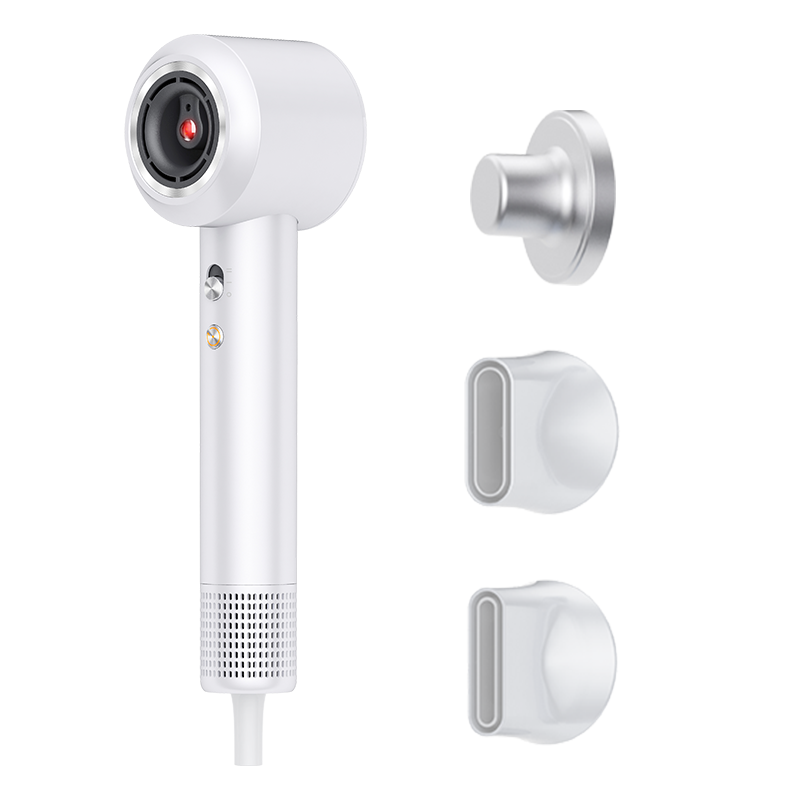
The ability to use various attachments expands a hair dryer's versatility. Concentrator nozzles for precise airflow control, diffusers for curly hair, and wide-tooth combs for detangling all enhance the tool's functionality.
Professional models often feature magnetic attachment systems for easy switching between tools. This convenience becomes significant when working quickly between clients or when changing techniques during a single styling session.
Maintenance and Longevity
Proper maintenance can significantly extend the life of any hair dryer, regardless of its quality or price point. Understanding how to care for your device ensures consistent performance and protects your investment.
Regular cleaning is perhaps the most important maintenance task. Lint and hair can accumulate in the filter and airflow passages, reducing efficiency and potentially causing overheating. Most modern hair dryers feature removable, washable filters that should be cleaned regularly.
Cleaning and Care Procedures
The frequency of cleaning depends on usage, but a general guideline is to check the filter weekly and clean it monthly. More frequent cleaning may be necessary if you use styling products or have pets. The cleaning process typically involves removing the filter, gently brushing away loose debris, and washing with mild soap if needed.
Beyond filter maintenance, regular exterior cleaning prevents product buildup. A damp cloth with mild soap can remove residue from hairspray, gels, and other styling products. Always ensure the dryer is unplugged and completely cool before cleaning.
Storage and Handling
Proper storage contributes to longevity. Avoid wrapping the cord tightly around the dryer, as this can cause internal wire damage. Instead, use loose loops or the cord storage features built into many models.
Store the hair dryer in a dry location away from moisture and humidity. Bathroom environments can be particularly harsh due to steam and water exposure. If possible, store the dryer in a cabinet or drawer when not in use.
| Maintenance Task | Frequency | Procedure | Impact on Performance |
|---|---|---|---|
| Filter Inspection | Weekly | Visual check for debris | Prevents airflow restriction |
| Filter Cleaning | Monthly | Remove and wash with mild soap | Maintains airflow efficiency |
| Exterior Wiping | Bi-weekly | Damp cloth with mild soap | Prevents product buildup |
| Attachment Cleaning | Monthly | Remove and clean separately | Ensures proper airflow |
| Cord Inspection | Quarterly | Check for damage or wear | Safety and reliability |
Future Trends in Hair Dryer Technology
The hair dryer industry continues to evolve, with several exciting trends on the horizon. Understanding these developments can help consumers make future purchasing decisions and appreciate the direction of hair care technology.
Artificial intelligence and machine learning are beginning to make their way into hair care appliances. Smart sensors that detect hair moisture levels and adjust settings automatically represent the next frontier in personalized hair care. These systems could learn individual preferences and adapt to different hair types automatically.
Smart Technology Integration
Future hair dryers may feature connectivity options, allowing users to save preferred settings, track usage patterns, and receive maintenance reminders. Some concepts include temperature sensors that provide real-time feedback on heat exposure, helping users avoid damage.
Battery technology improvements may finally make cordless hair dryers practical for everyday use. Current battery limitations restrict power and runtime, but ongoing developments in energy storage could change this equation in the coming years.
Sustainability and Eco-Friendly Design
Environmental concerns are driving innovation in sustainable design. Future hair dryers may feature biodegradable components, recycled materials, and energy-efficient operation. Some manufacturers are exploring solar-powered options or kinetic energy recovery systems.
The circular economy concept is also influencing product design. Modular construction that allows for easy repair and component replacement could extend product lifespans and reduce waste. Some companies are experimenting with take-back programs that ensure proper recycling or refurbishment of old devices.
Making the Right Choice for Your Needs
With so many options available, choosing the right hair dryer can be overwhelming. However, by considering your specific needs and priorities, you can narrow down the choices and find the perfect match.
Start by assessing your hair type and styling routine. Fine hair requires different treatment than thick, coarse hair. Daily users might prioritize different features than occasional users. Consider your living situation as well – noise levels might be more important in apartments or shared spaces.
Evaluating Your Priorities
Create a list of must-have features versus nice-to-have options. Speed might be your priority if you're always rushed in the morning. Hair health might be more important if you have color-treated or damaged hair. Noise reduction could be crucial if you have sleeping children or roommates.
Budget is another important consideration. While premium models offer advanced features, there are quality options available at various price points. Consider the total cost of ownership, including expected lifespan and potential energy savings, rather than just the purchase price.
Testing and Comparison
Whenever possible, test different models before making a purchase. Visit stores that have display models and feel the weight, balance, and noise level. Read reviews from users with similar hair types and needs to get real-world feedback.
Pay attention to warranty terms and customer service reputation. A good warranty can provide peace of mind and protect your investment. Responsive customer service can be valuable if you encounter issues or have questions about your device.
Conclusion: Transforming Your Hair Care Routine
Modern high-speed hair dryers represent a significant advancement in personal care technology. By combining powerful airflow, intelligent heat management, and user-friendly features, these devices can genuinely transform daily routines.
The time savings alone make these tools valuable for busy individuals, but the benefits extend far beyond efficiency. Reduced heat damage leads to healthier hair over time. Negative ion technology improves appearance and manageability. Noise reduction creates a more pleasant experience for everyone involved.
As with any investment in personal care, the key is finding the right balance between features, performance, and your specific needs. Taking the time to understand the technology and evaluate your priorities will help you make an informed decision that serves you well for years to come.
The evolution of hair drying technology reflects broader trends in consumer products: increased efficiency, enhanced user experience, and greater attention to health and environmental concerns. By embracing these advancements, we can enjoy better results while also protecting our hair health and contributing to a more sustainable future.
 Previous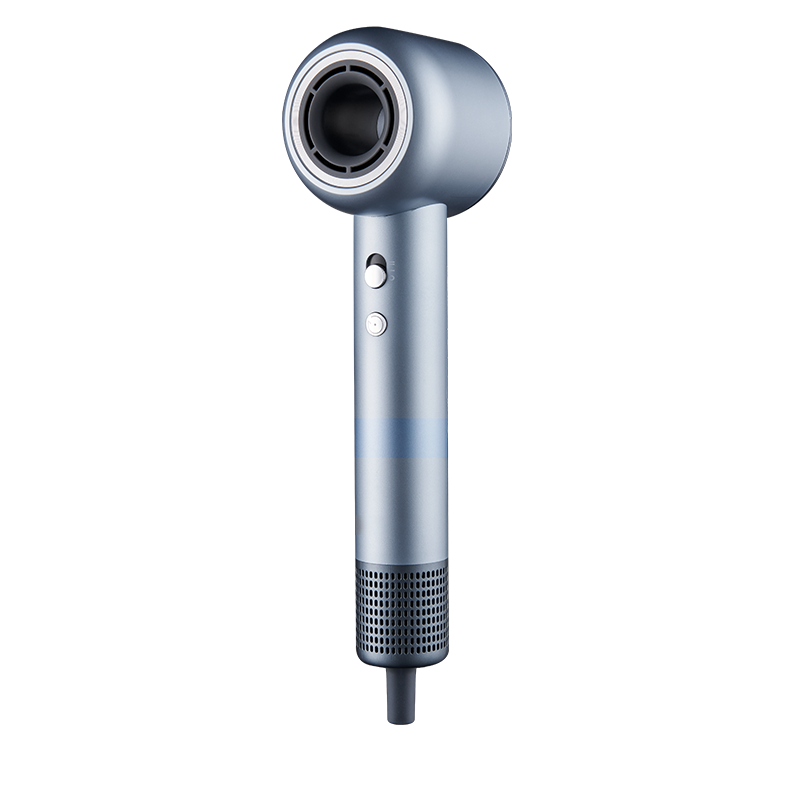

 +86-574-63982198
 +86-574-63982197
 No. 933, Lingxu 2nd Road, Binhai Economic Development Zone, Cixi, Zhejiang, China.