

 English
 中文简体
中文简体 Español
Content
- 1 The Short Answer: Temperature Ranges by Hair Type
- 2 The Numbers at a Glance: Where Each Hair Type Tops Out
- 3 Curl Retention: Why the Last 50 Degrees Buy Very Little
- 4 Time on the Barrel: Faster, but Not Free
- 5 Fine Hair Versus Coarse Hair: A Side-by-Side Comparison
- 6 What to Check on a Tool Before You Trust the Dial
- 7 Temperature Control Starts Before the Iron
- 8 Six Rules That Keep the Setting Honest
- 9 Aftercare: Cooling, Combing, and Scalp Comfort
Set a one-inch barrel to 400 degrees Fahrenheit, wrap a two-inch section of dry hair around it, and count to five. You will get a curl. Repeat that three mornings a week for a year and you will also get rough cuticles, split ends, and a curl that collapses by lunch. The best curling iron temperature is rarely the highest number printed on the dial. For most hair it lands between 300°F and 350°F. Fine, bleached, or color-treated hair usually behaves better between 250°F and 300°F, while thick, coarse, or highly resistant hair can take 350°F to 400°F without visible stress. The rest of this guide explains where those numbers come from, how to test them on your own hair, and which tool features make a temperature setting trustworthy.
The Short Answer: Temperature Ranges by Hair Type
Start with the range that matches your hair, then adjust in steps of 20 degrees. If one six-second pass leaves a loose, soft wave, step up once. If the hair feels hot to the touch or smells faintly scorched, step down twice and add a heat protectant.
| Hair type | Setting | What to expect |
|---|---|---|
| Fine, thin, or fragile | 250°F to 290°F (120°C to 145°C) | Curls form fast, and damage shows up fast as well |
| Color-treated or bleached | 280°F to 320°F (140°C to 160°C) | The cuticle is already lifted, so keep the heat low |
| Medium, untreated | 300°F to 350°F (150°C to 175°C) | The working sweet spot for most people |
| Wavy or heavily layered | 320°F to 370°F (160°C to 188°C) | Holds shape at moderate heat with a slightly longer hold |
| Thick, coarse, or resistant | 350°F to 400°F (175°C to 205°C) | Needs more heat, but still one pass only |
These ranges are not marketing numbers. They come from two physical facts: how long keratin needs to soften enough to be reshaped, and how much heat the cuticle can absorb before the moisture inside the strand turns to steam.
The Numbers at a Glance: Where Each Hair Type Tops Out
The chart shows the upper limit of the working range for five common hair profiles, measured from 200°F to 400°F. Fine and bleached hair tops out near 290°F, which means a 400°F setting adds roughly 110 degrees of unnecessary stress to that hair type. Medium, untreated hair gets a generous 300°F to 350°F window, and that band is where most everyday styling happens without visible damage. Coarse hair reaches 400°F, but the bar makes the margin look as narrow as it really is: only one more step is available before the tool runs out of settings. Read the chart as a ceiling rather than a target. Starting 30 to 40 degrees below your ceiling and stepping up only when a curl fails gives the cuticle room to recover between sessions.
Curl Retention: Why the Last 50 Degrees Buy Very Little
The line tracks how much of a curl is still intact after eight hours on typical fine to medium hair styled with a one-inch barrel. At 250°F, less than two thirds of the curl survives the day, which is why low heat on its own does not solve a styling problem. Moving from 250°F to 300°F adds about thirteen percentage points of hold, and that is the single largest gain on the chart. The next 50 degrees, from 300°F to 350°F, adds only nine points, and the final jump from 350°F to 400°F adds three. That flattening curve is the practical argument against maxing out the dial: past 350°F you are buying almost no extra hold while paying in cuticle damage.
Time on the Barrel: Faster, but Not Free
Each column shows how many seconds a clean, single-pass curl takes at a given setting on medium hair. At 250°F the barrel needs roughly twelve seconds of contact, which is long enough for heat to travel inward and for the section to feel warm near the scalp. At 350°F the same curl forms in about six and a half seconds, and at 400°F in about five. The time saved between 350°F and 400°F is barely a second and a half, yet the surface temperature is 50 degrees higher. Contact time and temperature trade against each other, but not evenly, because a long hold at low heat and a short hold at high heat do different things to the cuticle. This is why a tool that holds a steady set point matters more than a tool with a very high maximum.
Fine Hair Versus Coarse Hair: A Side-by-Side Comparison
The radar compares two common settings, 300°F and 380°F, across five qualities that decide whether a curl looks good and whether the hair survives it. At 300°F the shape is only moderate, but cuticle safety and fine-hair suitability sit right at the outer edge of the scale. At 380°F the picture flips, because definition, hold, and speed all improve while cuticle safety and fine-hair suitability fall toward the inner rings. No single setting wins on every axis, and that is exactly the point of the comparison. Fine hair benefits from the lower setting because its cortex is thin and heat reaches it quickly, while coarse hair needs the higher setting for the same reason in reverse: thicker strands take longer to warm through. Match the setting to the strand rather than to the styling video.
What to Check on a Tool Before You Trust the Dial
A printed maximum means very little if the barrel cannot hold a steady temperature. Three checks matter when you buy. First, look for a numeric display rather than a numbered dial, because a display reports the actual target while a dial often shows a position that can drift by 30 degrees or more. Second, ask about recovery time, meaning how quickly the barrel returns to its set point after it touches cool, dry hair; slow recovery is the reason some irons feel weak at 350°F and push users to turn the dial higher than they need. Third, check the coating, since ceramic and tourmaline surfaces spread heat more evenly than bare metal and reduce the hotspots that scorch one part of a section while leaving another under-styled.
Those three checks explain why a purpose-built curling and straightening tool behaves differently from a generic barrel at the same number. The coating, the sensor, and the recovery time are chosen together instead of assembled from whatever parts were available.
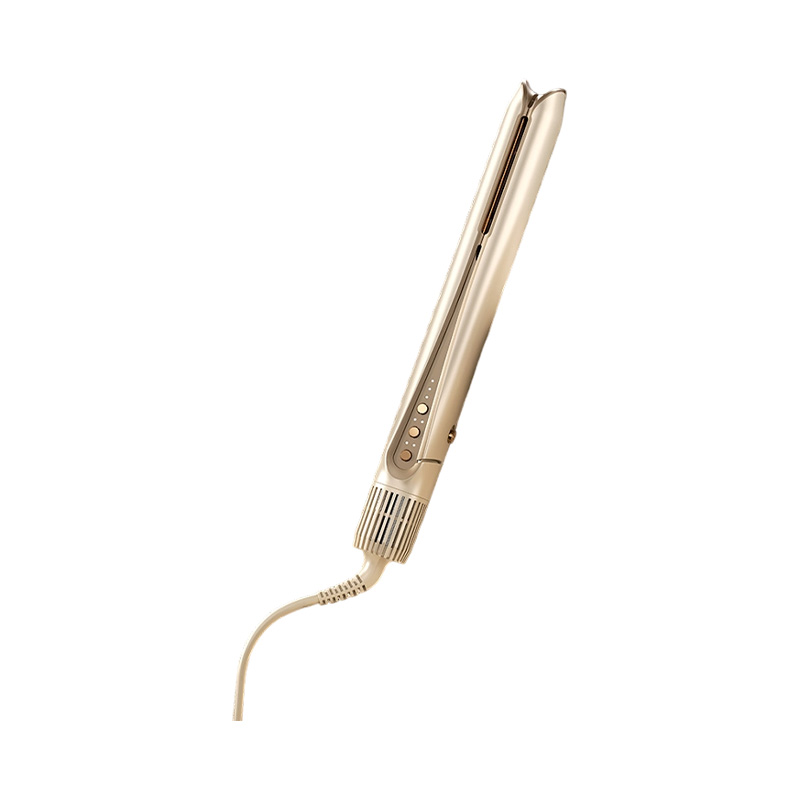 KH-810 Intelligent temperature control hair straightener and curling ironKH-810 Intelligent Temperature Control Hair Straightener and Curling Iron integrates dual straightening and curling functions, eliminating the need for multiple stylin...View Product →
Temperature Control Starts Before the Iron
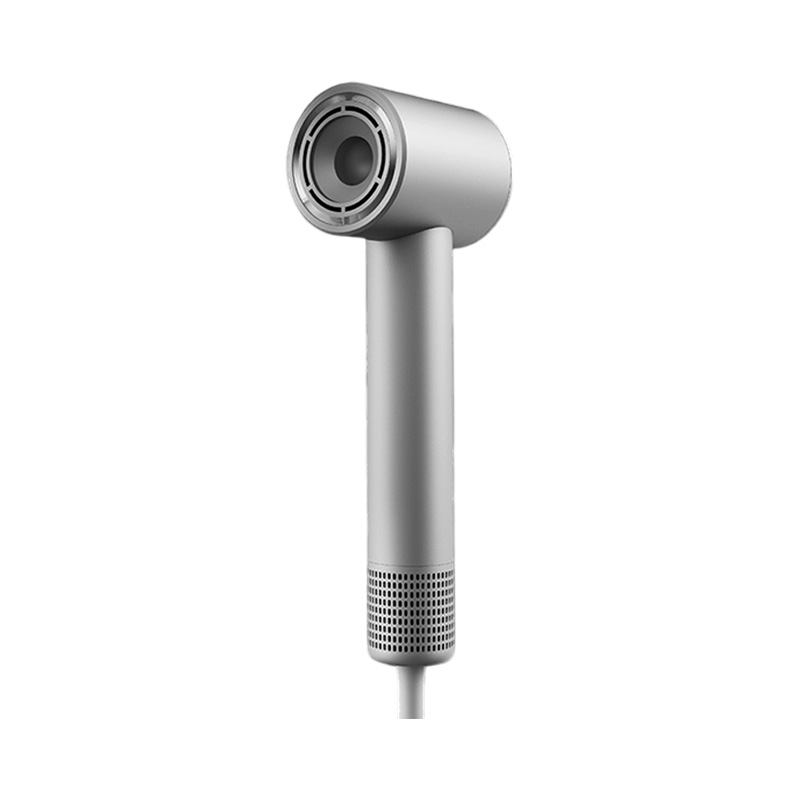
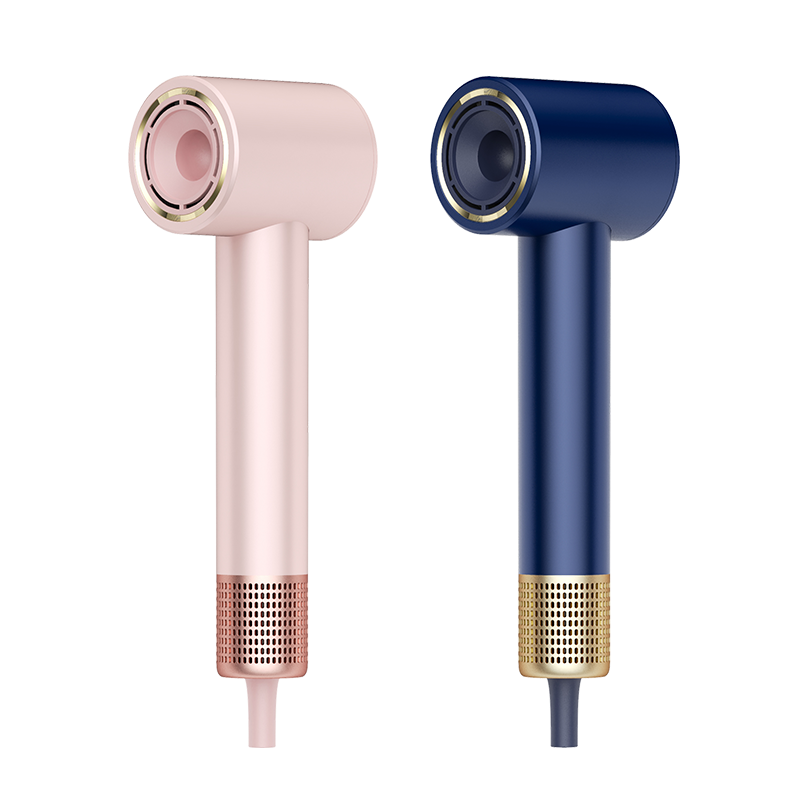
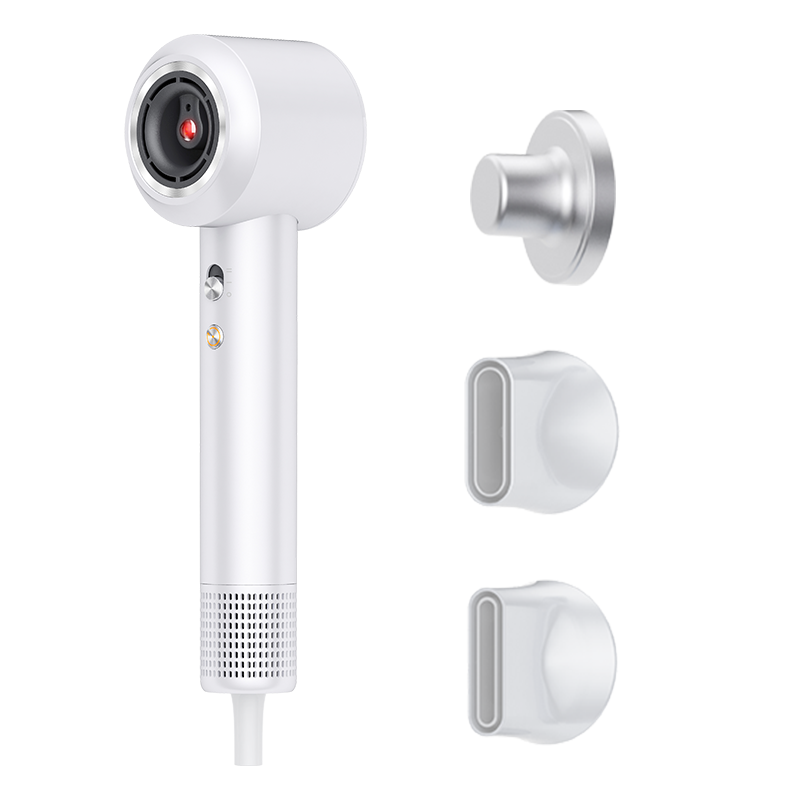
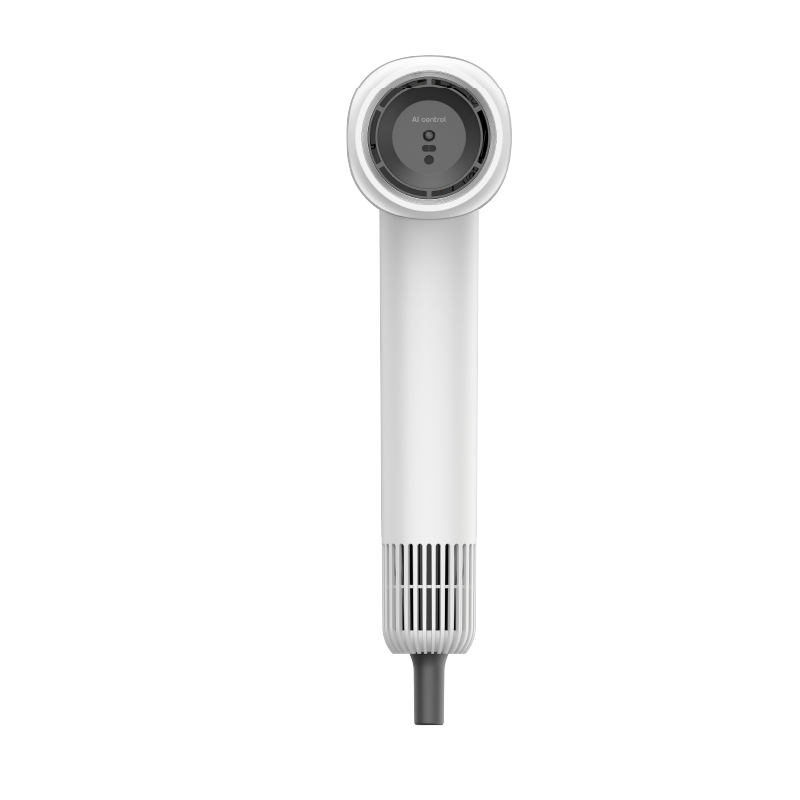
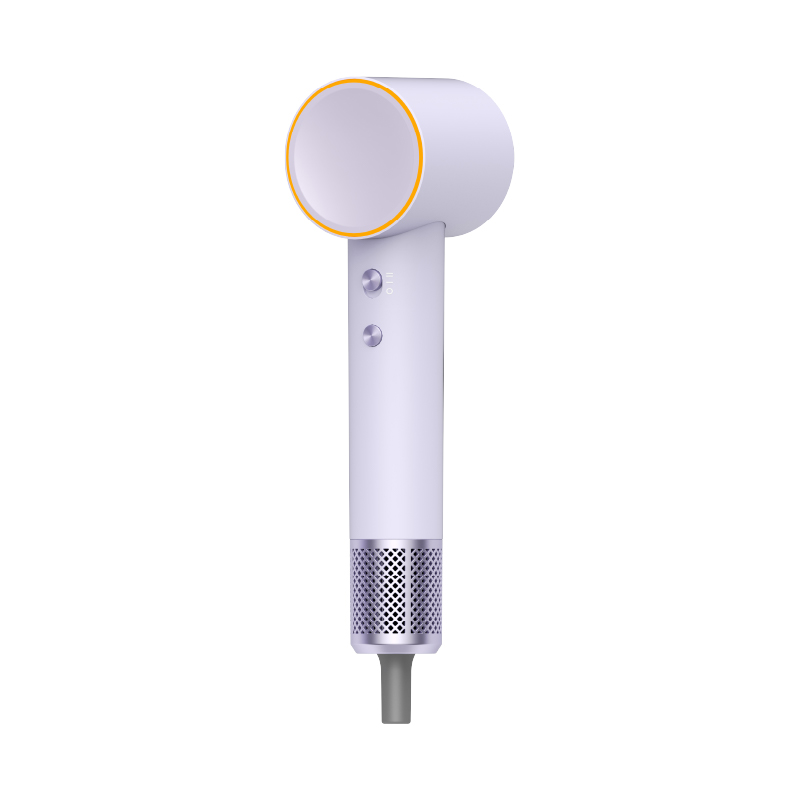
Curling a section that is still damp is the fastest way to damage it. Water inside the strand turns to steam well below the boiling point once it sits under pressure, and that steam pushes the cuticle apart from the inside. Dry the hair completely at a moderate heat setting, then let it cool for a full minute before the iron touches it. A dryer with real-time temperature control keeps the airflow from spiking as the inlet warms up, and that stability matters more than raw wattage if you want the same result on Tuesday as you got on Monday. It is a useful thing to know what separates a smart dryer from a standard one before you build a routine around it.
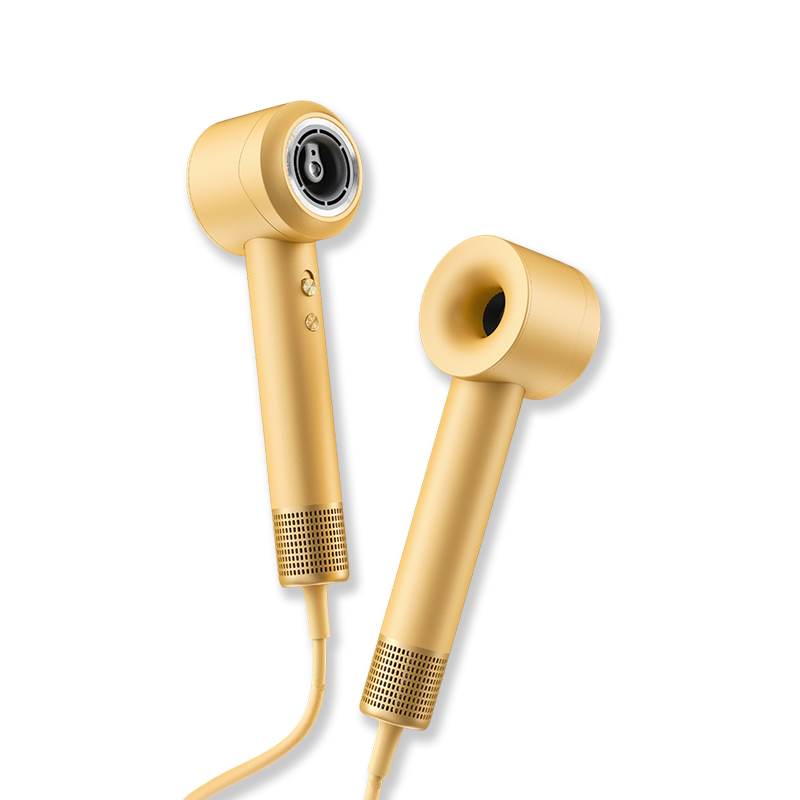 KH-803C Smart temperature control hair dryerThe KH-803C Smart Temperature Control Hair Dryer features intelligent temperature control technology that dynamically adjusts the airflow temperature based on the real...View Product →
Six Rules That Keep the Setting Honest
Once you have a starting number, these habits protect it better than any single temperature choice.
- Start 40 degrees below your ceiling and increase in 20-degree steps, one step per styling session.
- Keep sections to one inch or less, because thicker sections force longer contact time at the same heat.
- Limit the barrel to one pass per section. A second pass adds heat without adding shape.
- Apply a heat protectant every time, and let it dry completely before the iron touches the hair.
- Let each curl cool in the palm or on a clip for ten seconds before releasing it, since shape sets as the hair cools.
- Stay 30 degrees lower than usual for two weeks after a bleach or color service, when the cuticle is most fragile.
Aftercare: Cooling, Combing, and Scalp Comfort
Styling heat leaves the cuticle slightly raised for a few minutes, so the first thing to do after the last curl is nothing at all. Let the hair sit for five minutes, then comb gently with a wide-tooth comb from the ends upward. Scalp comfort belongs in the same routine, because tight clip tension and high heat near the root both contribute to tenderness over time. A scalp massage comb used on dry hair moves circulation without pulling on freshly styled ends, and it gives the cuticle a few extra minutes to settle before you brush or tie the hair back. If your routine already switches between drying, straightening, and curling, a set of multi-functional styling tools can cover the same ground on one temperature scale.
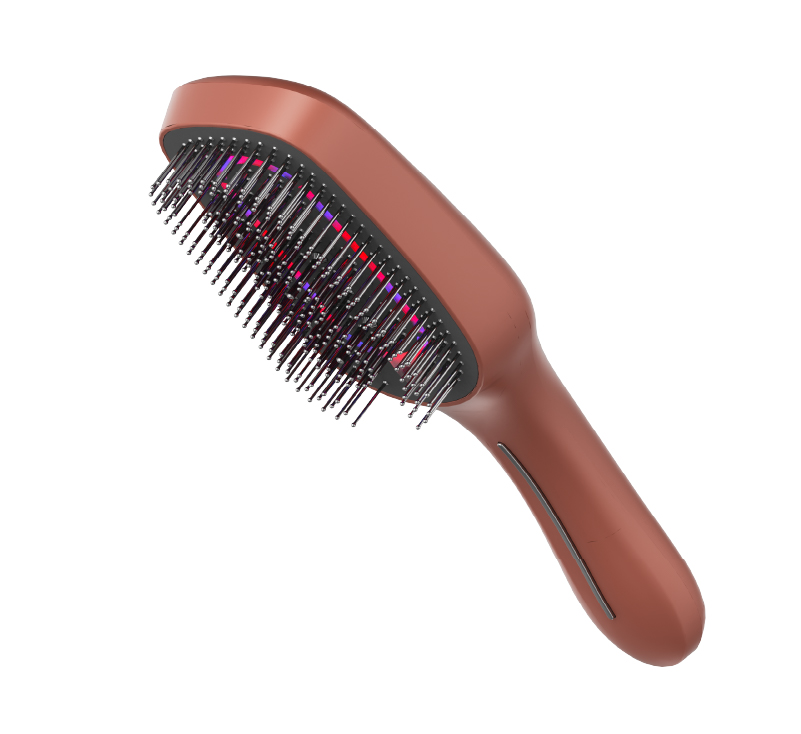 KH-861 Hair Scalp Massage CombKH-861 Hair Scalp Massage Comb integrates ergonomic structural design with multi-dimensional scalp care technology, forming obvious functional and structural differenc...View Product →
There is no universal number, only a range that fits your strand diameter, your color history, and the amount of heat your tool actually delivers. Treat 300°F to 350°F as the default for healthy, untreated hair, drop to 250°F to 290°F for fine or bleached hair, and allow 350°F to 400°F only for thick, resistant hair that will not hold a shape. Write your working setting on a sticky note, recheck it after a color service, and test it again when the seasons change and the air gets drier. The best curling iron temperature is the lowest one that gives you a curl you like in a single pass, and that number is worth finding slowly.


 +86-574-63982198
 +86-574-63982197
 No. 933, Lingxu 2nd Road, Binhai Economic Development Zone, Cixi, Zhejiang, China.