

 English
 中文简体
中文简体 Español
Content
- 1 What Defines a Blowout Brush Dryer
- 2 Why High-Speed Airflow Changes the Blowout Experience
- 3 Heat Control Is the Most Important Safety Feature
- 4 Barrel Size and Bristle Type Determine Your Styling Range
- 5 Ionic Technology and Its Real Effects
- 6 How to Match a Blowout Brush Dryer to Your Hair Type
- 7 What to Check Before Buying a Blowout Brush Dryer
- 8 The Real Cost of a Cheap Blowout Brush Dryer
- 9 Performance Features to Look For in 2026
- 10 How to Get a Salon-Level Blowout at Home
- 11 Understanding Manufacturer Quality: What You Cannot See on the Packaging
- 12 Comparing Blowout Brush Dryers to Traditional Styling Tools
- 13 Portable and Travel-Friendly Blowout Brushes
- 14 How We Evaluate the Best Blowout Brush Dryer for Different Users
- 15 Conclusion
You have probably seen the before-and-after videos: damp hair, one round brush with built-in airflow, and sixty seconds later a smooth, voluminous finish that looks like it came from a salon chair. The blowout brush dryer has become the go-to styling tool for anyone who wants the look of a professional blowout without holding a dryer in one hand and a brush in the other. But with dozens of models on the market, choosing the best blowout brush dryer is not as simple as picking the most popular name or the highest wattage.
This guide focuses on the specifications that actually matter, the heat control features that protect your hair, and the design choices that determine whether a brush dryer will work for your length, texture, and styling routine. If you are evaluating options for personal use or for a product line, the key is to match the tool to the real-world conditions it will face every day.
What Defines a Blowout Brush Dryer
A blowout brush dryer combines a round brush and a heated airflow system into one handheld unit. Air is drawn into the handle, heated internally, and pushed out through the barrel while the bristles grip and smooth the hair. This design lets you dry and style simultaneously, cutting the styling process from two steps to one.
The core difference between models lies in three areas: airflow speed, heat control, and barrel design. These three factors determine how fast your hair dries, how much protection you get from heat damage, and how much volume and smoothness you can achieve.
Why High-Speed Airflow Changes the Blowout Experience
Traditional hair dryers rely on high heat to evaporate moisture quickly. Blowout brush dryers, especially those built around high-speed motors, use strong airflow to remove moisture from the hair surface before heat can cause excessive damage. This is the same principle that separates modern high-speed dryers from older designs: faster air means you need less heat to achieve the same drying result.
For a blowout brush, airflow speed matters even more because the brush barrel partially blocks the path of air. A motor that delivers at least 20 cubic feet per minute of airflow will dry hair progressively without leaving the inner layers damp. Models with weaker motors tend to push hair around without actually drying it thoroughly, which leads to frustration and, often, repeated passes with high heat.
The relationship between airflow and drying time is not linear. Once you reach around 18 to 21 meters per second, the remaining moisture is pushed away from the hair shaft effectively, and additional speed yields smaller gains. This is why a brush dryer with a genuinely high-speed motor, not just a higher wattage rating, performs noticeably better in real use.
Read more about why high-speed motors outperform conventional dryers in our analysis of whether high-speed hair dryers are actually worth the upgrade.
Heat Control Is the Most Important Safety Feature
Heat damage is cumulative. Each time hair is exposed to excessive temperatures, the cuticle lifts, moisture escapes, and the cortex weakens. Over time, this shows up as split ends, dullness, and breakage. A blowout brush dryer that cannot maintain a stable temperature is not just a convenience issue; it is a hair health issue.
Smart temperature control systems use sensors to measure the heat at the barrel exit and adjust the heating element in real time. This prevents the temperature spikes that occur with simple ceramic heaters, which heat up and cool down in cycles. When you hold a brush dryer in one position for a few seconds, a smart system keeps the temperature steady, while a basic system allows the heat to climb.
The chart illustrates a common failure mode in budget brush dryers. The red dashed line represents a basic heater that fluctuates around the target temperature, occasionally spiking into the damage zone. The gold line represents a smart control system that holds temperature within a narrow band. When choosing a blowout brush dryer, look for explicit temperature control features rather than vague claims of "ceramic infusion."
Smart temperature management is not just about preventing damage. It also produces a better blowout because the hair is exposed to consistent heat, allowing the cuticle to lay flat smoothly. Inconsistent heat creates frizz and uneven texture.
Barrel Size and Bristle Type Determine Your Styling Range
The barrel is where the actual styling happens. Its diameter controls the size of the curl or wave you can create, and its bristle layout controls how much tension is applied to the hair. Small barrels, around 25 millimeters, produce tighter curls and more defined bends. Larger barrels, around 40 millimeters, produce bouncy volume and loose waves, which is the look most people associate with a salon blowout.
| Barrel Diameter | Best For | Result | Recommended Hair Length |
|---|---|---|---|
| 25 mm | Defined curls, short hair | Tight bounce, strong hold | Chin to shoulder |
| 35 mm | Versatile styling | Soft waves, medium volume | Shoulder to mid-back |
| 40 mm | Blowout volume, smoothing | Loose waves, high shine | Mid-back and longer |
| 50 mm+ | Straightening, root lift | Minimal curl, polished finish | Long, thick hair |
Bristle design matters just as much. A mix of nylon pin bristles and boar bristles is the most versatile combination. The nylon pins grip and detangle sections, while the boar bristles distribute natural oils from the scalp down the hair shaft and smooth the cuticle. This combination gives you both control and shine.
If you have very thick or coily hair, look for a brush dryer with flexible bristle clusters that can penetrate the hair section without snagging. If your hair is fine or prone to breakage, softer bristles and a cushioned pad will reduce stress on the strands.
Ionic Technology and Its Real Effects
Most blowout brushes claim to emit negative ions, and the science behind this is straightforward. Water molecules in damp hair carry a positive charge. Negative ions break up water droplets into smaller particles, allowing moisture to evaporate faster and reducing the amount of heat needed. The result is less frizz, more shine, and a smoother hair surface.
The practical difference between an ion-emitting brush dryer and one without ionization is most visible in humid environments. Hair that has been dried with negative ions has fewer positive charges on the surface, which means it is less likely to attract moisture from the air and revert to frizz. For people with naturally curly or wavy hair, this makes a noticeable difference in how long a blowout lasts.
You should know that ionic generation requires a specific electrical design. A high-quality emitter, usually a titanium or tourmaline-coated element, produces a steady stream of ions throughout the entire drying session. Cheap models may include the marketing term without the engineering, so check whether the product documentation specifies the emitter material.
How to Match a Blowout Brush Dryer to Your Hair Type
Hair type determines which features you should prioritize. Fine hair benefits most from lower heat settings and a smaller barrel, because fine strands dry quickly and are more vulnerable to heat damage. Thick hair needs higher airflow and a larger barrel to handle the volume. Curly hair needs strong tension and precise heat control to smooth the cuticle without crushing the curl pattern.
The radar chart above visualizes how different hair types shift the priority balance. There is no universal "best" configuration; there is only the right balance for your specific needs. A hairstylist serving many clients might need a multi-attachment system, while a person with fine hair needs a simpler tool with fewer heat risks.
A multi-functional air styler is a good option for households with different hair types, because swappable brush heads change both barrel size and bristle configuration. This is also why many professional stylists prefer a system that offers at least two barrel sizes.
What to Check Before Buying a Blowout Brush Dryer
When you narrow down your options, use this checklist to compare specifications meaningfully. The marketing copy for blowout brushes is full of interchangeable phrases like "tourmaline ceramic" and "far-infrared," so focus on measurable specifications instead.
- Airflow rating: Look for the airflow rate in cubic feet per minute or meters per second. A rating below 15 m/s is considered low for a high-speed brush dryer; above 20 m/s is genuinely high-speed.
- Heat settings and range: A good blowout brush offers at least three heat settings plus a cool shot. The highest setting should stay below 150°C to minimize cuticle damage.
- Temperature control type: Smart or AI temperature control with a sensor is superior to a fixed ceramic heater. Smart control maintains stable heat, as shown in the chart above.
- Barrel material and bristles: A mix of nylon and boar bristles works best for most hair types. The barrel should be coated with a smooth finish such as ceramic or tourmaline for even heat distribution.
- Weight and balance: The tool should feel balanced in your hand. A top-heavy design causes wrist fatigue during a full blowout session.
- Cord length and swivel: An eight-foot rotating cord is the minimum for comfortable use at a mirror. A non-swivel cord tangles and limits your range of motion.
For those evaluating this category for retail or OEM purposes, these same criteria drive customer satisfaction and return rates. A brush dryer with unstable heat control will generate complaints about hair damage, regardless of how attractive the packaging is.
The Real Cost of a Cheap Blowout Brush Dryer
A budget brush dryer seems economical, but the total cost of ownership includes more than the purchase price. Hair damage from unstable temperatures can lead to salon treatments, deep conditioning products, and, in the worst cases, corrective cuts. A $30 brush that spikes to 180°C can cost hundreds of dollars in hair repair over its lifespan.
There is also the durability factor. High-speed brush dryers use brushless motors that last significantly longer than universal motors. A high-quality brushless motor operates for hundreds of hours without losing airflow; a universal motor gradually loses speed and produces more noise and vibration. If you style your hair three times a week, that difference translates to years of additional service life.
Finally, consider the warranty and support structure. A serious manufacturer that stands behind its engineering will offer a clear warranty and responsive customer service. This is particularly important for wholesale buyers who need consistent quality across many units.
Performance Features to Look For in 2026
As the blowout brush category matures, several features are becoming standard. The most useful ones enhance the user experience without adding complexity:
- Digital display: A small LED screen showing the current temperature and selected setting eliminates guesswork. This is especially helpful for users who switch between heat levels for different hair sections.
- Auto-pause detection: Some intelligent models detect when the tool is set down and reduce heat automatically. This safety feature is valuable in busy households.
- Interchangeable barrels: A system that lets you click between 25 mm, 35 mm, and 45 mm barrels replaces three separate tools with one. This is the most cost-effective solution for varied styling needs.
- Low-noise operation: High-speed brush dryers are considerably quieter than traditional dryers. A noise level below 70 dB is comfortable for everyday use.
- Ergonomic handle: The handle should be slim enough to grip firmly and shaped to reduce strain on the wrist and forearm.
For a more detailed look at the technology behind smart hair dryers, including how sensor-based temperature control works and whether it is worth the premium, see our industry analysis of smart hair dryer efficiency and hair-friendliness.
How to Get a Salon-Level Blowout at Home
Even the best blowout brush dryer cannot overcome bad technique. The way you section your hair, position the brush, and manage tension determines the final result. Here is how to get the most out of your tool:
- Start with towel-dried hair: A brush dryer is not a replacement for a regular towel dry. Remove excess moisture first so the tool can style rather than simply evaporate water.
- Section your hair: Clip the top half of your hair up and work from the bottom. This ensures every section gets enough airflow and heat, and it prevents you from missing the underlayers.
- Use the right tension: Wrap a section of hair around the barrel and hold moderate tension as you glide the brush downward. Tension is what creates smoothness.
- Finish with the cool shot: The cool setting sets the style by closing the cuticle and locking in the shape. Skipping this step means your blowout will lose its hold quickly.
- Clean the bristles regularly: Hair, product residue, and dust accumulate on the bristles, reducing grip and spreading buildup onto clean hair. Wipe the barrel and bristles after each use.
The 5-in-1 hair styling dryer from our lineup demonstrates how a single tool with multiple attachments can cover the entire blowout process: a wide-tooth comb for detangling, a paddle brush section for smoothing, a round barrel for volume, and a nozzle for concentrated airflow. This type of versatility is what makes a blowout brush dryer genuinely useful across different hair lengths and styles.
Understanding Manufacturer Quality: What You Cannot See on the Packaging
When you buy a blowout brush dryer from an established manufacturer, you are also buying the engineering choices made inside the device. The motor type, the heating element design, the temperature sensor placement, and the internal airflow path all influence performance. These components are invisible on the product page, but they determine whether a tool lasts for two years or five.
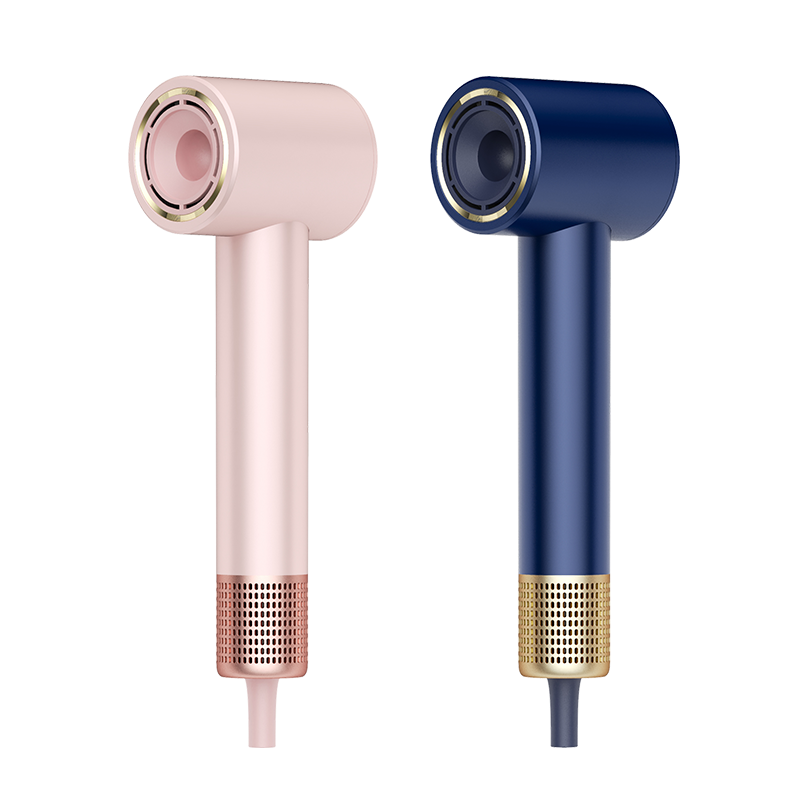
A manufacturer with significant design and production experience, like Ningbo Youming Electrical Appliance Co., Ltd., brings several engineering advantages. The company operates a 70,000-square-meter facility with its own SMT assembly lines for circuit boards and a dedicated R&D team that has developed more than 100 home appliance products since 2010. This vertical integration means temperature control algorithms, sensor calibration, and motor-drive electronics are designed together, not pieced together from off-the-shelf modules.
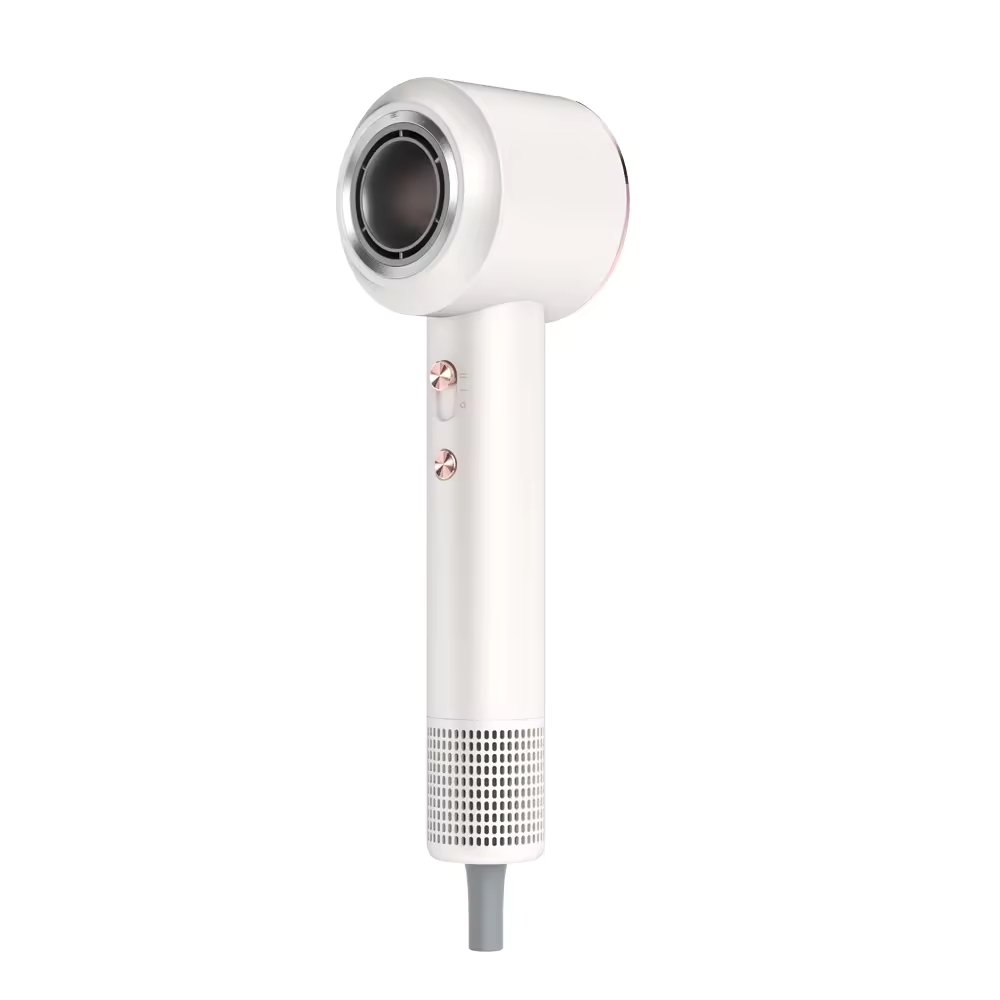
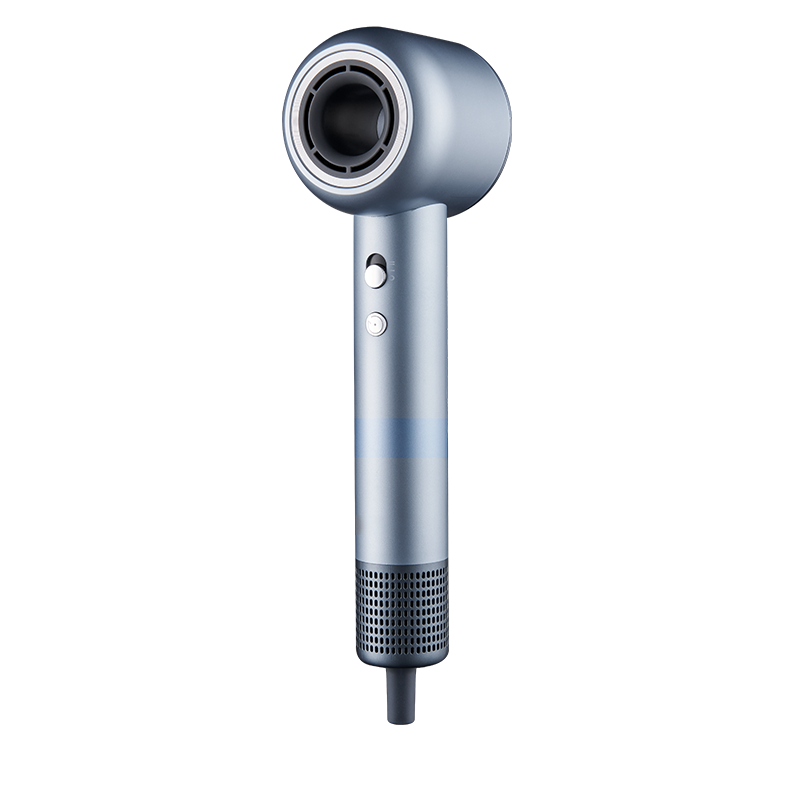
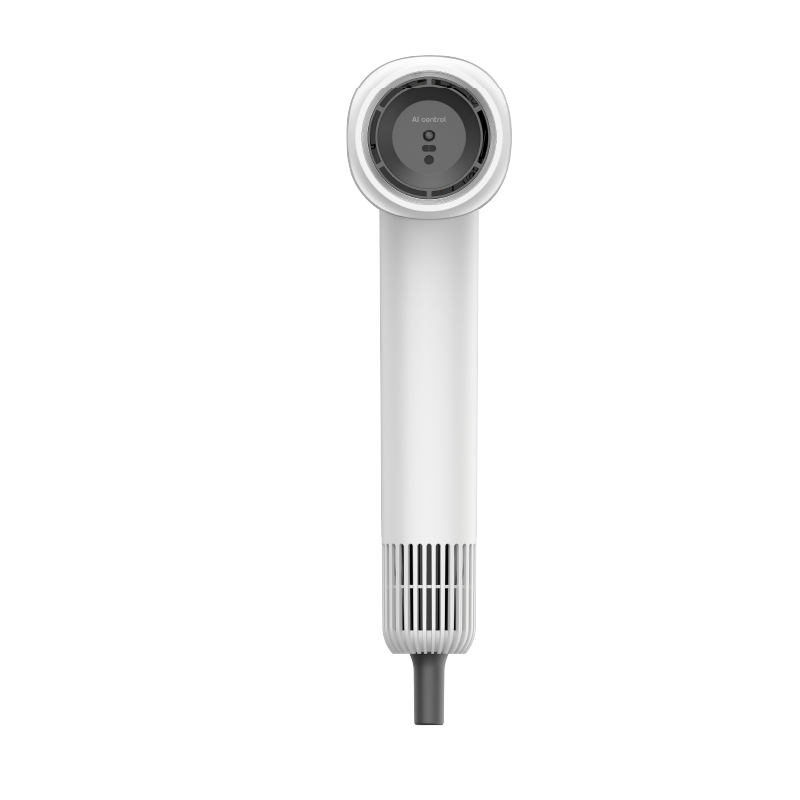
The company also produces AI high-speed hair dryers that incorporate the type of closed-loop temperature control discussed earlier. An AI-enabled brush dryer is not about artificial intelligence in the software sense; it is about using sensor data to make continuous micro-adjustments to heating power, keeping the air temperature at the barrel within the safe range regardless of how the airflow is obstructed by the hair.
For OEM and ODM partners, working with a manufacturer that can customize both hardware and firmware is a significant advantage. You can adapt the heat curve, the airflow profile, and the ion emission rate to match a specific brand promise or regional hair-care trend. That level of customization is difficult to achieve with off-the-shelf white-label products.
Comparing Blowout Brush Dryers to Traditional Styling Tools
Many people wonder whether a blowout brush dryer can truly replace both a hair dryer and a separate round brush. For most home users, the answer is yes. The one-tool approach saves time, reduces clutter, and is easier to manage with one hand. But there are scenarios where the traditional setup still wins.
A professional hair dryer with a narrow nozzle delivers much more concentrated airflow than any brush dryer can. This is essential for precision work, like smoothing the hairline or drying a client's hair to a crisp finish before using a flat iron. A blowout brush dryer, by contrast, distributes airflow across the barrel width, which covers more surface area but is less precise.
The chart above compares the time cost of weekly styling across different tool setups. The traditional hair dryer and round brush performs well for precision but demands two hands and significant practice. A dedicated blowout brush dryer is faster for everyday use, and a multi-attachment system offers the best balance of speed and styling versatility.
If you are considering an air styler with multiple heads, our guide to whether one hair dryer can handle all your styling needs provides a structured evaluation of this question.
Portable and Travel-Friendly Blowout Brushes
Frequent travelers face a different set of constraints. A full-size blowout brush dryer with a 40 mm barrel is too bulky for a carry-on bag, and many models are not dual-voltage. If travel styling is a priority, look for a compact brush dryer with folding handle or a smaller barrel that fits in a toiletry bag.
The trade-off is real: a mini brush dryer typically has a shorter barrel, which means less styling surface per pass. You will need to section your hair into smaller pieces. However, a dual-voltage model with a 25 mm barrel can still create a full blowout for shoulder-length hair.
Some intelligent portable models, like the KH809 portable AI temperature-control dryer, combine high-speed airflow with sensor-based heat control in a body small enough for travel. The real advantage of these devices is that they maintain the same safety features as full-size units, so you do not have to compromise on hair health just because you are on the road.
How We Evaluate the Best Blowout Brush Dryer for Different Users
Choosing the best blowout brush dryer depends on who is using it and what they want to achieve. The evaluation criteria differ between a home user in a humid climate, a professional stylist, and a manufacturer sourcing wholesale products. Here is how the priorities shift:
- The home user in a humid area: Needs high ionic output and strong airflow to combat frizz. A medium barrel and multiple heat settings are also important.
- The professional stylist: Needs a durable motor, a swivel cord, a variety of barrel sizes, and a cool shot that actually produces cool air. Reliability across dozens of daily sessions is non-negotiable.
- The first-time user: Needs an intuitive interface, a long barrel for easier handling, and a reasonably forgiving temperature range. A digital display helps build technique.
- The traveler: Needs a dual-voltage, compact design, and a heat-safe travel pouch. Airflow can be sacrificed to a degree, but safety cannot.
- The OEM/ODM buyer: Needs a manufacturer that can demonstrate consistent quality control, customizable firmware, and reliable delivery capacity. The tool's thermal management algorithm affects the warranty and the return rate.
Whichever category you fall into, the core principle remains the same: heat control is the backbone of a healthy blowout. A brush dryer with stable temperature, sufficient airflow, and a barrel that matches your hair length will outperform a much more expensive model that misses on those fundamentals.
Conclusion
The best blowout brush dryer is the one that aligns with your hair type, styling routine, and expectations. If you need everyday volume and speed, a high-speed brush dryer with smart temperature control is the most reliable choice. If you have multiple styling needs or share the tool with others, a multi-attachment system offers the greatest flexibility. If travel is a constant factor, a compact dual-voltage model protects your hair while keeping the TSA wait short.
From a technical standpoint, look for measurable airflow, stable heat, and a motor that is engineered to last. These attributes may not appear in bold on the packaging, but they are the difference between a tool that becomes your daily companion and one that sits in a drawer after a few disappointing attempts.
Whether you are styling your own hair or building a product line around personal care appliances, the principles of heat control and airflow remain constant. Start with a tool that respects the health of your hair, and the styling results will follow.


 +86-574-63982198
 +86-574-63982197
 No. 933, Lingxu 2nd Road, Binhai Economic Development Zone, Cixi, Zhejiang, China.