

 English
 中文简体
中文简体 Español
Content
- 1 Understanding How Modern Smart Hair Dryers Balance Performance and Hair Care
- 1.1 What Makes Smart Hair Dryers Different from Traditional Models?
- 1.2 How Do Smart Temperature Adjustment Features Work in Hair Dryers?
- 1.3 Addressing Noise Concerns: Low-Noise Design in Modern Hair Dryers
- 1.4 Efficiency in Hair Drying: What to Look For in a Smart Hair Dryer
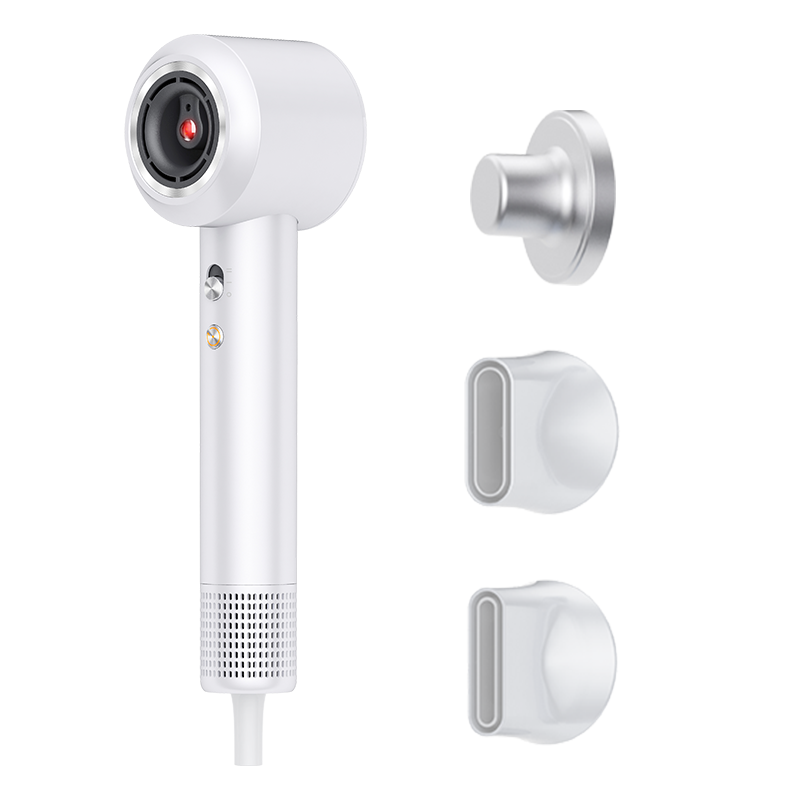
- 1.5 A Closer Look at the KH-805A High Efficiency And Low Noise Smart Hair Dryer
- 1.6 Frequently Asked Questions About Using Smart Hair Dryers
- 1.7 Comparing Key Features of Smart vs. Traditional Hair Dryers
Understanding How Modern Smart Hair Dryers Balance Performance and Hair Care
For many people, a hair dryer is an essential part of their daily grooming routine. Yet, with the rise of smart technology in personal care products, consumers are increasingly asking questions about what makes smart hair dryers a worthwhile choice, how they protect hair from damage, and whether they really deliver on promises of lower noise and higher efficiency. In this comprehensive guide, we address these common queries, breaking down the technology behind smart hair dryers, their practical benefits, and what to consider when choosing one for your daily use.
What Makes Smart Hair Dryers Different from Traditional Models?
Traditional hair dryers have long relied on manual temperature and speed settings, requiring users to adjust knobs or buttons to find a level that works for their hair type. This often leads to guesswork—too high a temperature can damage hair cuticles, while too low may mean longer drying times. Smart hair dryers, however, integrate advanced technologies to address these pain points, making the drying process more intuitive and gentle on hair.
One of the core differences is the use of sensors. Unlike traditional models that operate on fixed settings, smart hair dryers use various types of sensors to detect real-time conditions of the hair, such as moisture levels. This allows the device to adapt its output automatically, rather than relying on the user to make constant adjustments. Additionally, smart hair dryers often feature improved motor designs that contribute to lower noise levels and higher energy efficiency, two factors that many consumers cite as top concerns when shopping for a new hair dryer.
Another key distinction is the focus on hair health. Traditional dryers can cause cumulative damage over time due to inconsistent heat application, but smart models are engineered to maintain balanced heat levels that speed up drying without compromising hair health. This focus on balance between performance and care is what sets smart hair dryers apart for many shoppers who are looking for more than just a tool to dry their hair, but one that also preserves its condition.
Usability is another area where smart hair dryers differ. Most traditional dryers have a handful of fixed settings, which can be confusing for users with different hair types or styling needs. Smart dryers, by contrast, often combine automatic adaptive features with simple manual controls, allowing users to switch between hands-free operation and personalized settings as needed. This flexibility addresses a common question from consumers: whether smart dryers are too "tech-heavy" for everyday use. In reality, the technology is designed to simplify the process, not complicate it.
Build quality also plays a role in the difference between smart and traditional models. Smart hair dryers often use durable, lightweight materials that make them easier to handle for extended periods, while traditional dryers may rely on heavier plastics or metal components that can cause fatigue during use. This is a frequent consideration for consumers who use their hair dryer daily, especially those with long or thick hair that requires more time to dry.
How Do Smart Temperature Adjustment Features Work in Hair Dryers?
A frequent question among consumers is how the automatic temperature adjustment in smart hair dryers actually functions. To understand this, it’s important to look at the sensor technology that powers this feature—specifically, infrared sensors, which are commonly used in many modern smart hair dryers.
Infrared sensors work by detecting the moisture content in hair strands. When the dryer is in use, these sensors emit low-level infrared light that interacts with the water molecules in wet hair. The sensor then measures the reflection or absorption of this light to determine how wet the hair is at any given moment. This data is sent to the dryer’s internal microprocessor, which adjusts the temperature of the airflow accordingly.
For example, when the sensor detects that hair is fully wet—such as right after washing—the dryer will increase the temperature of the airflow to speed up the evaporation of moisture. As the hair dries and the moisture level decreases, the sensor picks up on this change, and the microprocessor lowers the temperature to prevent overheating. This gradual adjustment ensures that hair is not exposed to high temperatures for longer than necessary, reducing the risk of heat damage like split ends, frizz, or brittle hair.
It’s important to note that this process is continuous and real-time. Unlike manually switching between heat settings, which can lead to sudden temperature spikes or drops, the automatic adjustment is smooth and responsive to the actual condition of the hair. This eliminates the need for users to monitor their hair while drying, making the process more convenient and less stressful for both the user and their hair.
Consumers also ask whether this technology works for all hair types. The answer is yes—infrared sensors are designed to detect moisture levels regardless of hair texture, thickness, or length. Whether you have fine, straight hair or thick, curly hair, the sensor will adapt the temperature to match the moisture level of your specific hair, ensuring that the drying process is tailored to your needs without requiring manual tweaks.
Another common question is whether the temperature adjustment can be customized. Many smart hair dryers allow users to set a baseline temperature range, so the automatic adjustments stay within a range that feels comfortable for them. For example, someone with color-treated hair may set a lower maximum temperature to further protect their hair, while someone with very thick hair may allow a slightly higher maximum to speed up drying. This customization balances the convenience of automatic operation with the personal preferences of the user.
It’s also worth addressing a common misconception: that infrared sensors emit harmful radiation. The infrared light used in these sensors is low-level and non-ionizing, meaning it does not damage cells or pose any health risks. This is a key point for consumers who ask about the safety of the technology used in smart hair dryers.
Addressing Noise Concerns: Low-Noise Design in Modern Hair Dryers
Noise is another top concern for people shopping for hair dryers. Many traditional models produce high levels of noise due to their motor and fan designs, which can be disruptive—especially for early-morning grooming routines or when living in close quarters with others. This has led to a surge in questions about how smart hair dryers achieve lower noise levels, and whether the reduced noise comes at the cost of drying efficiency.
The low-noise design of smart hair dryers stems from improvements in motor technology. Many smart models use brushless DC motors, which are quieter and more efficient than the brushed motors found in most traditional hair dryers. Brushless motors have fewer moving parts, which reduces friction and the resulting noise. Additionally, the fan blades in smart hair dryers are often designed with aerodynamics in mind, minimizing air turbulence that contributes to loud operating sounds.
It’s a common misconception that a quieter hair dryer must be less powerful. However, this is not the case. The combination of brushless motors and optimized airflow design means that smart hair dryers can maintain strong airflow (necessary for efficient drying) while producing significantly less noise. Testing has shown that many smart hair dryers operate at decibel levels that are 20-30% lower than traditional models, making them a more pleasant option for daily use.
Another factor that contributes to lower noise is the housing of the dryer. Smart hair dryers often feature sound-dampening materials in their casings, which absorb and reduce the noise generated by the motor and airflow. These materials do not add significant weight to the dryer, so they do not compromise usability—another point that consumers often ask about when considering low-noise models.
For those who are sensitive to noise, it’s worth noting that the low-noise feature is not just about comfort; it can also make the drying process less stressful for the ears, especially for people who use hair dryers frequently or for extended periods. This is a key benefit that many users prioritize, alongside hair protection and efficiency.
Consumers also ask about the noise level of smart hair dryers in comparison to other household appliances. Most smart hair dryers operate at around 60-70 decibels, which is similar to a normal conversation or a dishwasher on a low setting—significantly quieter than traditional hair dryers, which can reach 80-90 decibels (equivalent to a vacuum cleaner). This context helps shoppers understand just how much quieter smart models can be in real-world use.
It’s also important to mention that noise levels can vary slightly between different smart dryer models, so it’s helpful for consumers to check product specifications if noise is a top priority. However, even the noisiest smart hair dryers are typically quieter than the average traditional model.
Efficiency in Hair Drying: What to Look For in a Smart Hair Dryer
Efficiency is a term that consumers often ask about when evaluating hair dryers, but it’s important to clarify what efficiency means in this context. It does not just refer to how quickly the dryer dries hair, but also to energy efficiency (how much electricity it uses) and overall performance (how well it dries hair without causing damage).
Energy efficiency is a growing concern for many shoppers, as household energy costs continue to rise. Smart hair dryers are designed to use energy more efficiently than traditional models, thanks to their brushless motors and automatic temperature adjustment. Because the dryer only uses higher temperatures when necessary (i.e., when hair is wet), it does not waste energy on maintaining high heat when it’s not needed. This means that over time, using a smart hair dryer can lead to lower electricity bills compared to using a traditional model that runs at high heat for the entire drying process.
Drying speed is another aspect of efficiency that consumers care about. While speed should not come at the cost of hair health, smart hair dryers strike a balance by using targeted heat (based on moisture levels) to speed up evaporation without overheating. The infrared sensor technology ensures that heat is applied only where and when it’s needed, so the drying process is faster than using a traditional dryer on a low setting, but gentler than using a traditional dryer on a high setting.
When shopping for an efficient smart hair dryer, it’s helpful to look for features that support balanced performance: sensor technology for automatic temperature adjustment, a brushless motor for low noise and energy efficiency, and airflow design that distributes heat evenly. These features work together to create a dryer that is efficient in multiple ways, addressing the common question of whether "efficient" means sacrificing other important factors like hair care or quiet operation.
It’s also important to consider the practical aspects of efficiency, such as the weight of the dryer. A lightweight smart hair dryer is more efficient to use over time, as it reduces fatigue during extended drying sessions—another point that consumers often mention when asking about what makes a hair dryer "efficient" for daily use.
Another factor in efficiency is the durability of the dryer. Smart hair dryers with high-quality components (like brushless motors) tend to last longer than traditional models with brushed motors, which can wear out more quickly. This longevity means that consumers do not have to replace their dryer as often, which is an aspect of efficiency that is often overlooked but important for long-term value.
Consumers also ask about the time it takes to dry different hair types with smart dryers. For short hair, a smart dryer may cut drying time by a few minutes compared to a traditional model. For long, thick hair, the time savings can be more significant—up to 5-10 minutes per use—because the targeted heat focuses on wet areas rather than wasting heat on already dry sections. This time efficiency is a major selling point for busy consumers who want to streamline their morning routines.
A Closer Look at the KH-805A High Efficiency And Low Noise Smart Hair Dryer
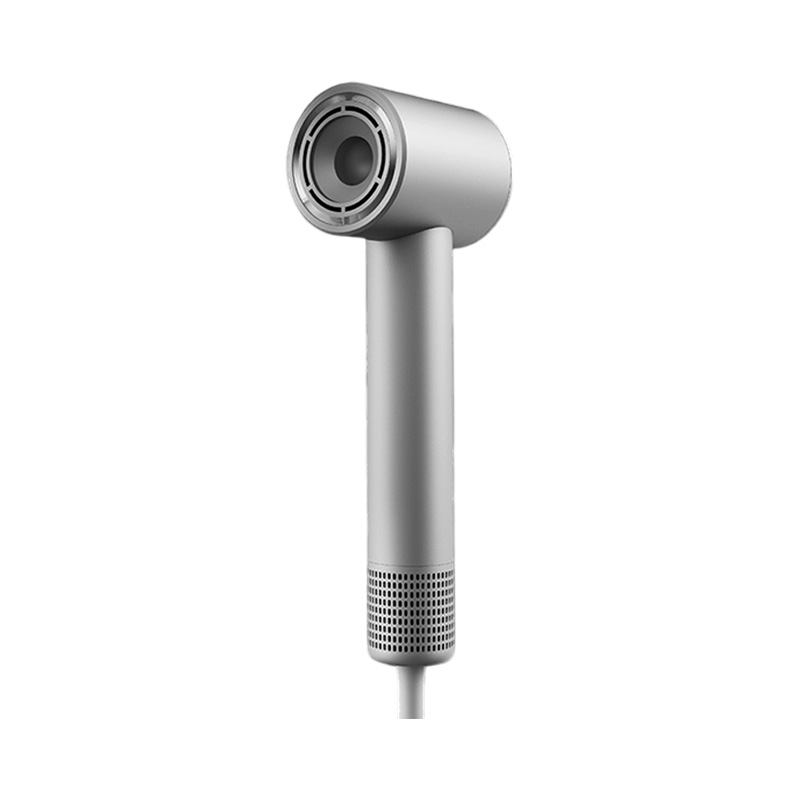
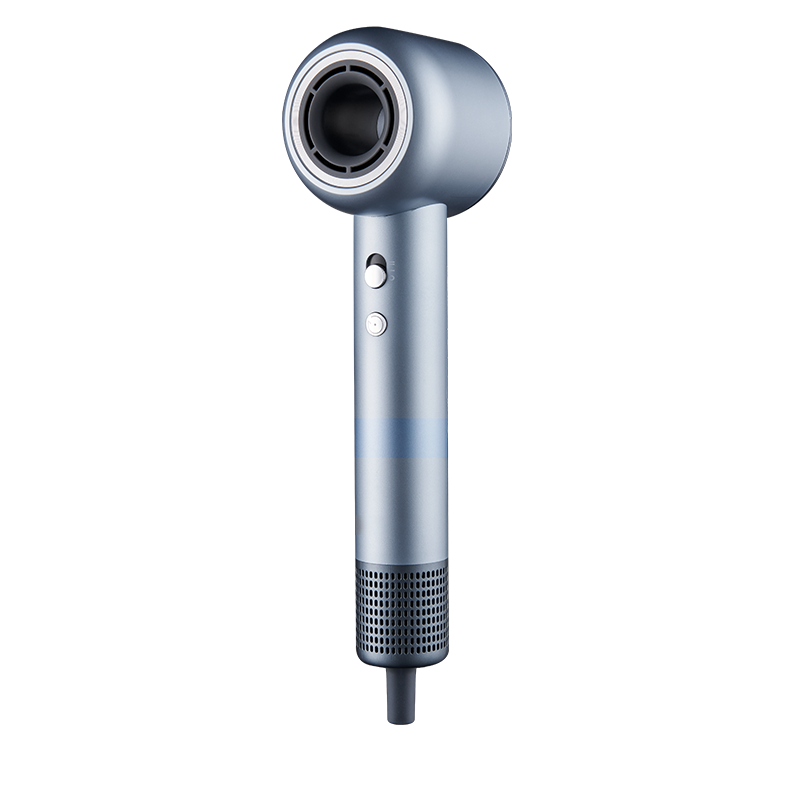
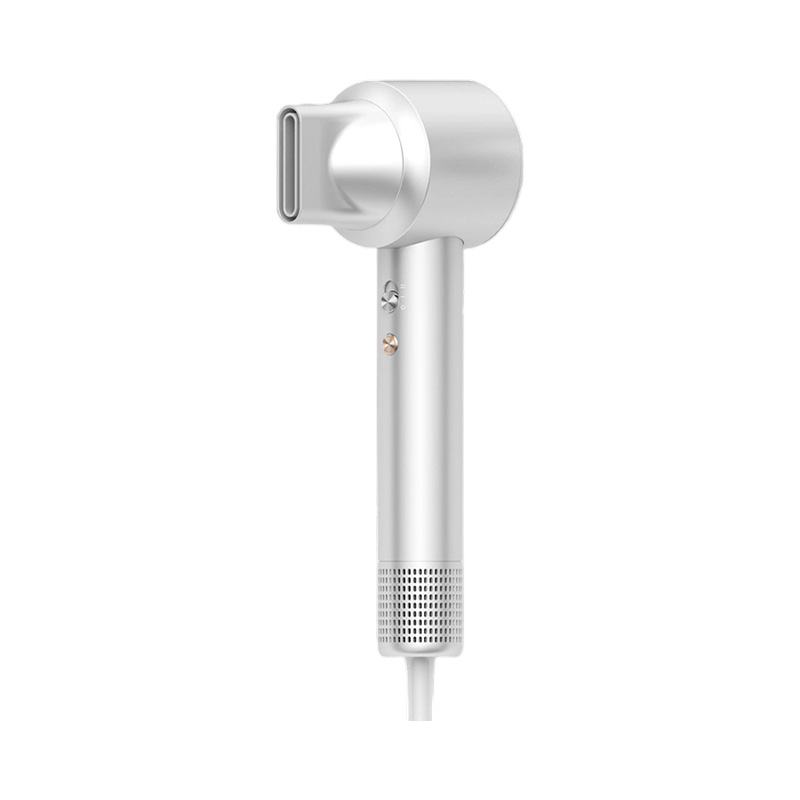
To illustrate how these smart features come together in a real-world product, let’s examine the KH-805A High Efficiency And Low Noise Smart Hair Dryer, a model that integrates infrared sensor technology to deliver the balanced performance that consumers are looking for.
The KH-805A High Efficiency And Low Noise Smart Hair Dryer is engineered with a focus on addressing the most common questions and concerns that consumers have about hair dryers: temperature control, noise levels, efficiency, and hair protection. At its core is the infrared sensor technology that enables intelligent sensing of hair moisture levels. This means that when you first start drying your wet hair, the dryer automatically increases the airflow temperature to accelerate moisture evaporation, cutting down on drying time without manual adjustment.
As your hair gradually dries, the sensor detects the reduction in moisture and the KH-805A High Efficiency And Low Noise Smart Hair Dryer lowers the temperature in a timely manner. This adaptive temperature control ensures that your hair is not exposed to prolonged high temperatures, which can cause damage to the hair cuticle, leading to frizz, breakage, or loss of shine. This feature directly addresses the common consumer question of how smart dryers protect hair better than traditional models.
In terms of noise, the KH-805A High Efficiency And Low Noise Smart Hair Dryer uses a brushless DC motor that reduces operational noise compared to traditional brushed motors. The motor is paired with a sound-dampening casing and aerodynamic fan blades, which work together to minimize turbulence and friction—two major sources of noise in hair dryers. This design choice answers the frequent question of whether a high-efficiency dryer can also be low-noise, as the KH-805A maintains strong airflow for efficient drying while keeping noise levels manageable.
Energy efficiency is another key feature of the KH-805A High Efficiency And Low Noise Smart Hair Dryer. Because the dryer only uses higher temperatures when hair is wet, it consumes less electricity than traditional dryers that run at a fixed high temperature throughout the drying process. This not only saves energy but also reduces the overall cost of using the dryer over time, addressing the consumer question of whether smart dryers are worth the initial investment due to long-term energy savings.
Practically, the KH-805A is designed with user comfort in mind. It is lightweight, making it easy to hold for extended periods, and features an ergonomic handle that reduces hand fatigue—answers to common questions about the usability of smart hair dryers for daily use. The intuitive design means that even first-time users of smart hair dryers can operate it without needing to learn complex settings, as the automatic temperature adjustment does the work for them.
Another feature of the KH-805A High Efficiency And Low Noise Smart Hair Dryer that addresses consumer questions is its easy maintenance. The infrared sensor is located in a easily accessible area of the nozzle, making it simple to clean with a soft cloth (as recommended for all smart dryers). The air intake filter is also removable and washable, which helps maintain airflow efficiency over time—addressing the question of how to keep a smart dryer working well for years.
Frequently Asked Questions About Using Smart Hair Dryers
To round out our guide, we’ve compiled answers to some of the most frequently asked questions that consumers have about using smart hair dryers in their daily routines.
Q: Do I need to clean the sensors on a smart hair dryer?
A: Yes, but it is a simple process. Over time, dust, hair products, or moisture can build up on the infrared sensors, which may affect their accuracy. To clean them, turn off and unplug the dryer, then use a soft, dry cloth to gently wipe the sensor area (usually located on the front of the dryer’s nozzle). Avoid using water or cleaning products, as these can damage the sensor. Cleaning the sensors every few weeks is sufficient for most users.
Q: Can I override the automatic temperature adjustment if I prefer a specific setting?
A: Many smart hair dryers, including the KH-805A High Efficiency And Low Noise Smart Hair Dryer, offer manual override options for users who want more control. This means you can switch between automatic mode and fixed temperature/speed settings if you have a specific preference—for example, using a lower fixed temperature for delicate hair or a higher fixed speed for thick, curly hair. This flexibility addresses the common concern that smart dryers are too "automatic" and lack user control.
Q: How long do the batteries (if any) last in a smart hair dryer?
A: Most smart hair dryers, including the KH-805A, are corded models, so they do not rely on batteries. This is a common misconception—consumers often ask about battery life, assuming that smart features require rechargeable batteries. Corded models ensure consistent power output, which is important for efficient drying, and eliminate the need to recharge the dryer between uses.
Q: Are smart hair dryers suitable for all hair types?
A: Yes. As mentioned earlier, infrared sensors detect moisture levels regardless of hair texture, thickness, or length. For those with very fine or damaged hair, the automatic temperature adjustment is particularly beneficial, as it prevents overheating. For those with thick, coarse hair, the dryer will maintain higher temperatures only until the hair is dry, then reduce heat to protect the hair from damage. Some smart dryers also offer additional attachments (like diffusers for curly hair) that further tailor the drying process to specific hair types.
Q: How long does it take for a smart hair dryer to dry hair compared to a traditional model?
A: The drying time varies based on hair length, thickness, and moisture level, but many users report that smart dryers dry hair in a similar or slightly shorter time than traditional models on a medium heat setting. The key difference is not just speed, but the reduced risk of damage—smart dryers do not require using the highest heat setting to achieve fast drying, so the hair is healthier even with similar drying times.
Q: Do smart hair dryers require more maintenance than traditional models?
A: Not significantly. Beyond cleaning the sensors (as mentioned earlier), smart hair dryers require the same basic maintenance as traditional models: cleaning the air intake filter regularly to prevent dust buildup (which can affect airflow and efficiency) and storing the dryer in a dry place to avoid moisture damage. The internal components (like the microprocessor and motor) are designed to be durable, so no additional maintenance is needed for the smart features.
Q: Can smart hair dryers be used for styling, or just drying?
A: Smart hair dryers can be used for both drying and styling, just like traditional models. Many come with attachments like concentrator nozzles (for precise styling) or diffusers (for curly hair), and the adjustable temperature/speed settings (either automatic or manual) make them suitable for a range of styling needs. The adaptive heat also helps maintain hair health during styling, which is a benefit over traditional dryers that may cause damage during prolonged styling sessions.
Q: Are smart hair dryers safe to use in bathrooms with water present?
A: Yes, as long as they are designed with standard safety features like insulation and ground fault protection (GFP). Most smart hair dryers, including the KH-805A, meet international safety standards for use in wet environments like bathrooms. However, it’s important to follow basic safety guidelines: never immerse the dryer in water, and unplug it when not in use. This addresses the common safety question that consumers have about using electrical appliances in bathrooms.
Comparing Key Features of Smart vs. Traditional Hair Dryers
To help consumers make an informed decision, we’ve created a table comparing the key features of smart hair dryers (exemplified by the KH-805A High Efficiency And Low Noise Smart Hair Dryer) and traditional hair dryers. This table addresses the common question of how the two types of dryers stack up against each other in terms of performance, hair care, and usability.
| Feature | Smart Hair Dryers (e.g., KH-805A) | Traditional Hair Dryers |
|---|---|---|
| Temperature Control | Automatic adjustment via infrared sensors based on hair moisture levels; gradual temperature changes to avoid overheating; optional manual override | Fixed manual settings (low/medium/high); temperature remains constant unless manually adjusted; sudden temperature changes possible when switching settings |
| Noise Level | Lower noise (60-70 decibels) due to brushless motors, sound-dampening materials, and aerodynamic fan design | Higher noise (80-90 decibels) from brushed motors and less optimized airflow; turbulence contributes to loud operation |
| Energy Efficiency | Uses energy only as needed (higher heat for wet hair, lower for dry hair); brushless motors consume 20-30% less electricity than brushed motors | Fixed energy usage based on selected setting; brushed motors use more electricity; energy wasted on maintaining high heat for dry hair |
| Hair Protection | Adaptive heat reduces risk of cuticle damage, frizz, and breakage; consistent heat distribution minimizes hot spots | Risk of damage from constant high heat; hot spots common due to uneven airflow; relies on user to choose appropriate setting |
| Usability | Intuitive automatic mode; optional manual override; lightweight (typically 400-500g) and ergonomic design reduces hand fatigue | Requires manual adjustment of settings; heavier (typically 500-700g) due to brushed motors; may cause fatigue during long use |
| Maintenance | Basic maintenance plus occasional sensor cleaning (every 2-4 weeks); washable air intake filter | Basic maintenance (filter cleaning every 2-4 weeks); no sensor cleaning required |
| Drying Process | Responsive to real-time hair conditions; no need for constant monitoring; heat applied only to wet areas | Requires user to monitor hair and adjust settings as needed; heat applied uniformly regardless of moisture level |
| Long-Term Durability | Brushless motors have a longer lifespan (5-7 years) with regular use; microprocessors designed for consistent performance | Brushed motors wear out faster (2-3 years) due to moving parts; simpler design but shorter overall lifespan |
As the table shows, smart hair dryers offer several benefits that address the most common questions and concerns of consumers, from temperature control and noise to hair protection and energy efficiency. While traditional dryers may be more familiar to some users, smart models like the KH-805A High Efficiency And Low Noise Smart Hair Dryer provide a more intuitive and gentle drying experience without sacrificing performance.
It’s important to note that the choice between a smart and traditional hair dryer ultimately depends on personal needs and preferences. For consumers who prioritize hair health, low noise, and energy efficiency, a smart dryer is a strong option. For those who prefer a simple, no-frills tool with a lower upfront cost, a traditional dryer may still be suitable. However, as more consumers become aware of the benefits of smart technology, the demand for models like the KH-805A continues to grow.
When shopping for a smart hair dryer, it’s helpful to test the device if possible (many retailers offer demo models) to get a sense of its noise level and weight. Reading user reviews can also provide insight into real-world performance, especially for people with similar hair types. Additionally, checking for safety certifications and warranty information can help ensure that the dryer is reliable and backed by the manufacturer.
Conclusion
Smart hair dryers have evolved to answer the key questions that consumers have about hair care, efficiency, and noise. By integrating infrared sensor technology, brushless motors, and adaptive temperature control, these devices offer a balanced approach to hair drying—one that prioritizes both performance and hair health. The KH-805A High Efficiency And Low Noise Smart Hair Dryer is a prime example of how these features come together to address the most common concerns of shoppers, providing a practical and user-friendly option for daily grooming. Whether you’re looking to reduce hair damage, lower noise levels, or save energy, smart hair dryers offer solutions that traditional models cannot match, making them a worthwhile consideration for anyone in the market for a new hair dryer.
As technology continues to advance, we can expect smart hair dryers to become even more intuitive, with additional features that further tailor the drying experience to individual users. For now, the current generation of smart dryers—like the KH-805A—already delivers on the core promises that consumers care about, making them a valuable addition to any daily grooming routine.
 Previous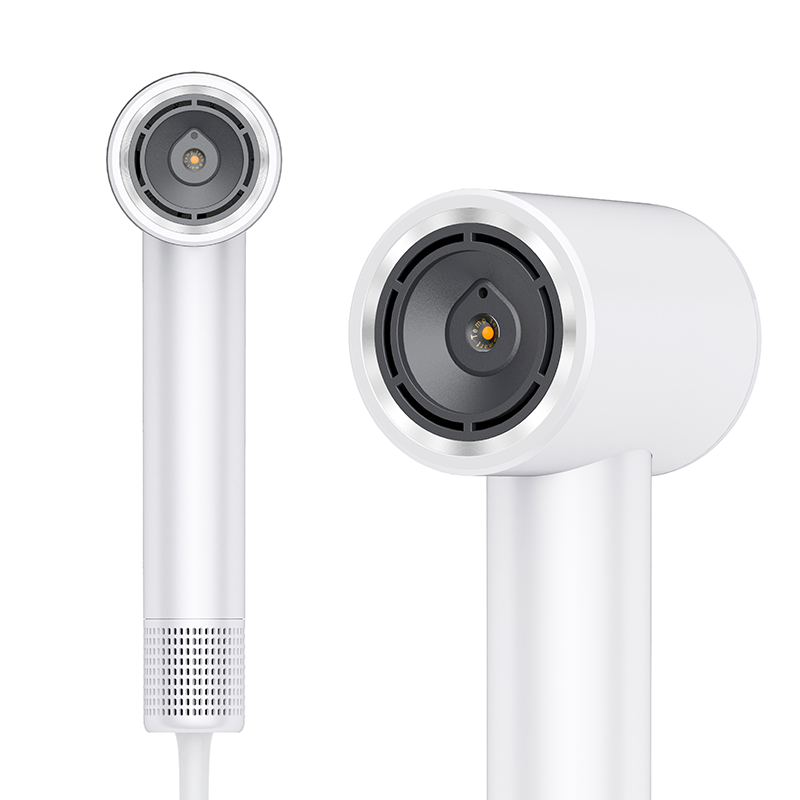

 +86-574-63982198
 +86-574-63982197
 No. 933, Lingxu 2nd Road, Binhai Economic Development Zone, Cixi, Zhejiang, China.