

 English
 中文简体
中文简体 Español
Content
Most people shopping for a 3 in 1 hair styler are not chasing a gadget. They are solving three problems at once: a storage problem, a time problem, and a heat damage problem. A routine built on a hair dryer, a flat iron, and a curling wand takes 25 to 40 minutes, claims a shelf of its own, and pushes hair through three separate heating cycles before the day starts. A 3 in 1 hair styler promises one device and one pass instead. The short answer is that a well-built styler covers daily drying, smoothing, and curling for most hair types, but the gap between a good unit and a disappointing one comes down to three things: airflow design, temperature control accuracy, and attachment quality. This guide explains how the format works, where it performs, and what brand buyers should verify before placing an order.
What a 3 in 1 Hair Styler Actually Does
A 3 in 1 hair styler combines three jobs in one airflow-driven device: drying damp hair, smoothing and straightening with a brush head, and shaping curls or volume with a barrel. Unlike a flat iron, which presses hair between two hot plates, a styler relies on moving air to set the shape, so hair never sits against a fixed high-temperature surface. That single design choice explains most of the appeal for people who style every day.
The three functions usually map to three attachments. A drying nozzle works like a compact dryer head and handles most of the moisture removal. A round or oval brush directs warm air through its bristles while lifting the roots and smoothing the cuticle, which is the step that replaces the flat iron for many users. A curling barrel uses airflow to wrap sections of hair and hold them at a controlled temperature until the shape cools and sets. Product lines extend the same platform into 5 in 1 and even 18 in 1 configurations by adding combs, concentrators, and extra barrel sizes, but the core promise stays the same: one motor, one handle, several jobs.
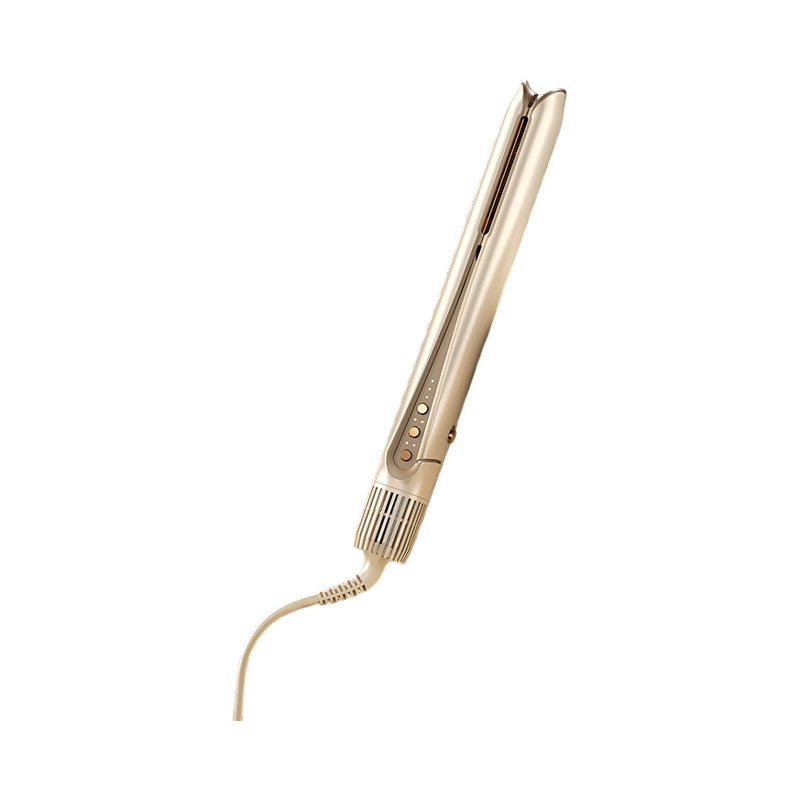
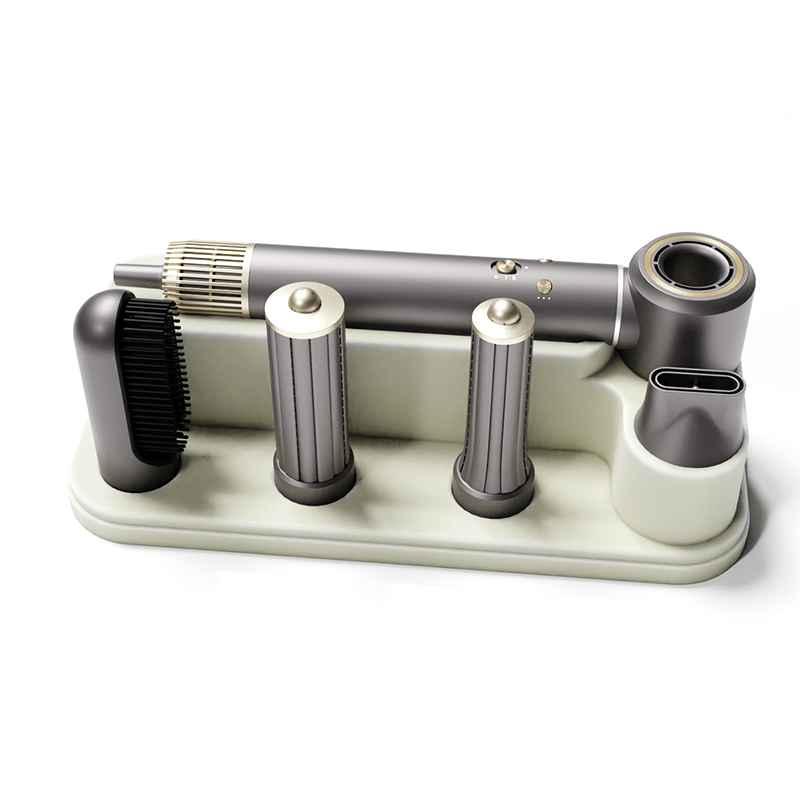 KH-802A Multifunctional Air StylerCombining a hair dryer, styling nozzle, curling barrel, and straight comb, this styler matches the article's explanation of one motor handling drying, smoothing, and curling attachments for complete at-home routines.View Product →
How a 3 in 1 Hair Styler Is Built
Airflow does the styling work
The motor is the heart of the device. High-speed brushless motors spinning in the 100,000 rpm class push a concentrated stream of air through whichever attachment is mounted, and that stream both dries the hair and carries it around the barrel or brush. Steady air pressure matters more than raw heat. If airflow collapses when the brush meets resistance from thick hair, the style falls flat and the user compensates with higher temperature, which is exactly the habit that leads to damage over weeks of daily use.
Temperature control protects the hair
Heat control separates serious stylers from cheap imitations. A sensor at the heating element reads the outlet temperature many times per second and adjusts power before the air overshoots the set point. On a unit without this loop, outlet temperature swings widely between heating cycles, and repeated swings show up as dryness and frizz. Negative ion output is a common companion feature, because charged ions help the cuticle lie flat, which reduces static and adds shine without adding heat.
If you are weighing whether a single device can realistically cover a full routine, our earlier article on whether one hair dryer can truly handle every styling need looks at the same question from the dryer side of the market.
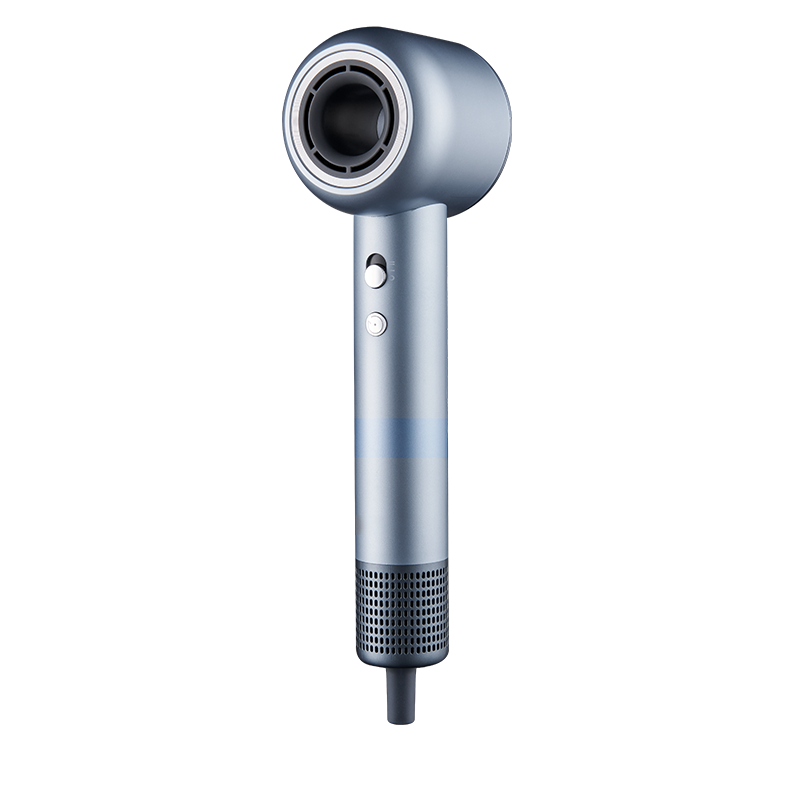
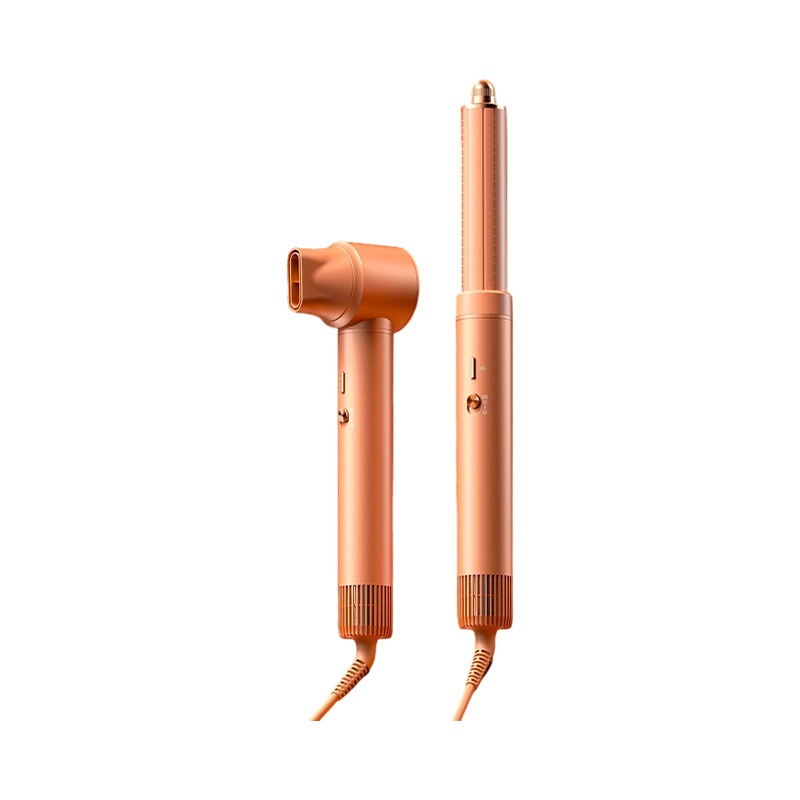 KH-802K 5-in-1 Hair Styling Hair DryerWith a 120,000 RPM motor, 65m/s airflow, and 600 million negative ions, this 5-in-1 styler illustrates the sustained airflow and temperature control the article says separate capable multi-function tools.View Product →
3 in 1 Styler vs the Separate Tool Shelf
The clearest way to judge the format is to place it beside the tools it replaces. The table below compares the four devices that compete for the same shelf space, and the chart turns that comparison into minutes.
| Tool | Main job | How it applies heat | What it cannot do alone |
|---|---|---|---|
| 3 in 1 hair styler | Dry, smooth, and curl | Moving air at controlled temperature | Specialty looks that need dedicated barrels |
| Hair dryer | Remove moisture | Direct hot air | Shape or curl without attachments |
| Flat iron | Straighten | Two direct-contact hot plates | Curl volume without extra tools |
| Curling wand | Curl one size | Direct-contact heated barrel | Dry damp hair |
The chart shows illustrative timing for a complete wash-day routine at home. A 3 in 1 styler finishes drying, smoothing, and shaping in roughly 18 minutes for shoulder-length hair, because there is no tool swap and no second heating cycle. The dryer and flat iron path takes about 30 minutes once cool-down and re-sectioning time between tools is added. Adding a curling wand pushes the same routine past 40 minutes, with three cables, three surfaces to protect, and three devices to store. For a household that styles daily, the saved 20 or so minutes adds up to more than 100 hours a year, though real results vary with hair length, thickness, and humidity.
The Performance Numbers That Matter
Two specifications decide most of the real-world experience with a 3 in 1 styler: how tightly the temperature holds, and how fast the air moves. Both are measurable, and both belong in a supplier datasheet.
Temperature stability over a styling session
This chart tracks outlet temperature during ten minutes of continuous use, and the shape of each line matters more than the exact values in degrees C. The sensor-controlled line holds within a few degrees of its set point for the whole session, which is what protects the cuticle from cumulative heat stress. The basic heater line cycles between peaks and dips as the element switches on and off, and those swings can span 40 degrees or more. Hair feels the difference as even, predictable styling instead of alternating blasts of hot and cooler air. When you evaluate a supplier, ask how often the sensor samples the outlet temperature and how tightly the control loop holds the band, because this single loop drives most of the hair health story.
Air speed at the nozzle
Air speed at the nozzle is the number that separates the three tiers of drying hardware. A basic dryer moves air at around 12 meters per second, so it dries mostly by heat rather than by airflow. A mid-range unit reaches roughly 18 meters per second and cuts drying time noticeably. A high-speed styler platform pushes past 25 meters per second, which means it can dry at lower temperatures and still finish sooner. That airflow reserve is also what lets a styler set curls and lift roots, because the air needs enough momentum to carry hair around a barrel, and for a deeper dive into why motor speed changes everything downstream, see our comparison of high-speed and regular hair dryers.
Where the Format Wins and Where It Does Not
No tool wins on every axis, and honest buyers want the trade-offs visible. The radar chart below scores the 3 in 1 styler against a traditional separate tool set on five dimensions drawn from daily use.
The radar chart scores the two approaches from 0 to 5 on dimensions that come up in daily use. The 3 in 1 styler leads on storage efficiency because one handle replaces a shelf of tools, and it scores nearly as high on travel readiness for the same reason. The separate tool set still wins on pure drying speed, since a dedicated dryer moves more air through damp hair than a compact styler head. Styling range tilts slightly toward the dedicated set because interchangeable wands and plates cover more specialty looks than three styler attachments. Ease of learning favors the styler, because the brush wraps the hair for you instead of your wrist doing the work.
The limits deserve plain words. Users with very long or very thick hair may still want a dedicated high-speed dryer for the first minutes of bulk drying, then switch to the styler for shaping. Curl variety depends on the barrels in the box, so a set with one barrel size cannot replace a wand collection. The wrap and set technique also takes a few sessions to learn, especially for people who have spent years with a round brush and a separate dryer.
A Sourcing Checklist for Brand and Retail Buyers
For importers, the difference between a smooth program and a troubled one is usually decided before production starts. Put the following points on the factory checklist when evaluating a 3 in 1 styler supplier.
- Motor type and measured airflow: ask whether the unit uses a brushless high-speed motor, and request measured air speed and volume at the nozzle rather than marketing claims.
- Temperature control loop: confirm that a sensor reads the outlet temperature continuously, and ask how many readings per second the control system processes.
- Attachment system: check whether heads mount magnetically or by clip, how firmly they hold under airflow, and whether the handle stays balanced with the largest barrel fitted.
- Noise behavior: request sound data at a stated distance, because styling happens close to the ears every morning.
- Market compliance: match certifications and plug variants to the destination market before tooling starts, because reworking voltage and safety files later is expensive.
- OEM and ODM depth: clarify what can be customized, from logo and packaging on the basic end to attachment mix, colorways, and control firmware where a product line truly differentiates.
This is where the manufacturer behind the catalog shows its depth. Ningbo Youming Electrical Appliance Co., Ltd. has developed more than 100 home appliances since 2010, works under ISO9001 quality management practices, and builds hair dryers and stylers as an OEM and ODM partner for brands across North America, South America, Europe, and Asia. The KH802 platform illustrates how far the format stretches, from compact 5 in 1 styling sets to wide multi-attachment configurations, all built on the same high-speed motor and temperature control foundation. Buyers who run the checklist above can map every point directly onto a sample unit and a factory audit.
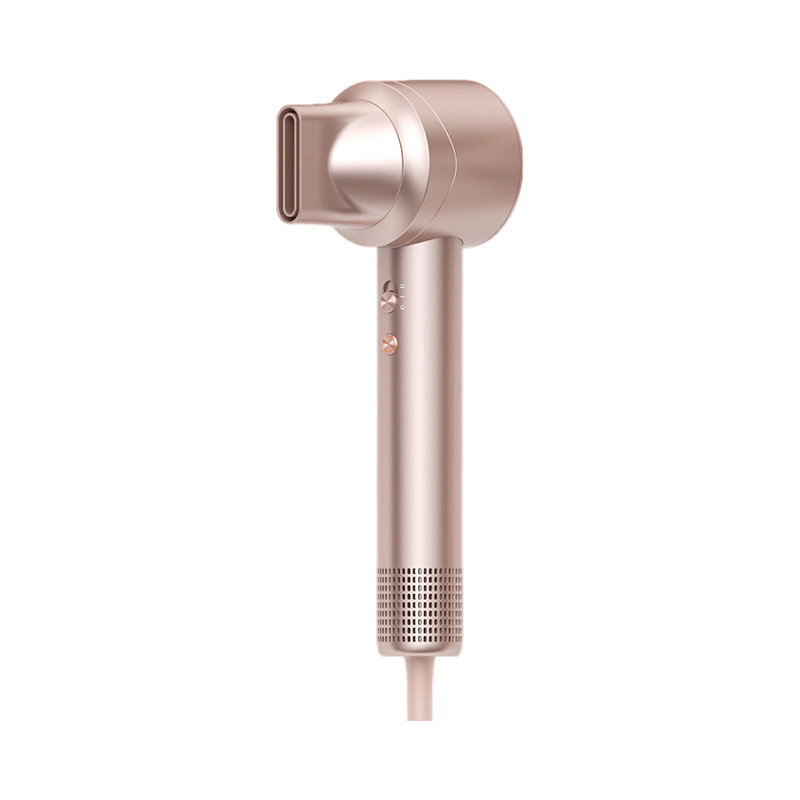
KH-802B High-Efficiency Air StylerFeaturing overheating protection and versatile attachments for straight and curly styles, this styler fits the article's closing checklist of steady temperature, solid attachments, and replacing a full tool stack.View Product →The Bottom Line
A 3 in 1 hair styler earns its place on the counter when three conditions hold: the motor sustains real air speed under load, the temperature loop holds a narrow band, and the attachments mount solidly and feel balanced. Meet all three and the device replaces the dryer, brush, and iron stack for everyday routines while cutting both time and heat exposure. Miss any one of them and users drift back to their old tools within a month. That makes the evaluation work in this guide the most valuable step a buyer can take before committing to a program.
 Previous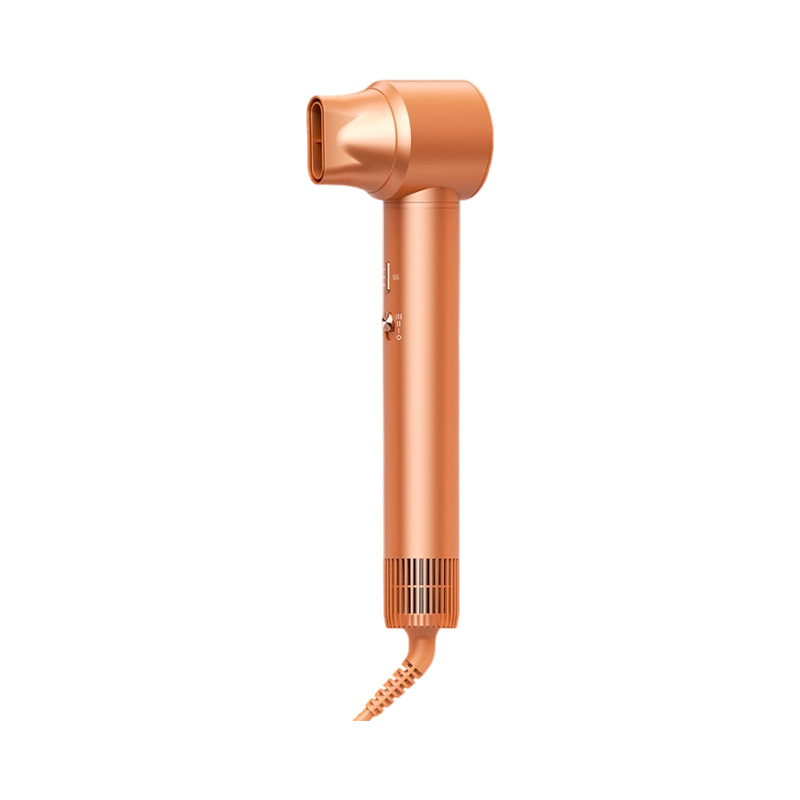

 +86-574-63982198
 +86-574-63982197
 No. 933, Lingxu 2nd Road, Binhai Economic Development Zone, Cixi, Zhejiang, China.