

 English
 中文简体
中文简体 Español
Content
- 1 Why the comb attachment matters
- 2 What to check before buying
- 3 Steady heat protects the hair more than a higher wattage
- 4 Attachment styles at a glance
- 5 What buyers actually weigh before choosing
- 6 Multi-functional models give more value for natural hair
- 7 What OEM and private label buyers should check
- 8 Air stylers versus traditional blow dryers
- 9 Final takeaway
A blow dryer with a comb attachment is one of the few hair tools that genuinely changes the drying routine for natural, curly, or coily hair. The comb stretches the hair while warm air moves through it, which shortens drying time and reduces shrinkage in a single pass. The most reliable conclusion from testing and product development is that the comb itself is not the whole story. Heat control, airflow, tooth spacing, and handle balance decide whether the tool feels professional or becomes another drawer filler. If the dryer cannot keep temperature stable, the attachment will simply deliver overheated air to hair that is wet, swollen, and easier to damage.
For tightly coiled 4C hair, the practical test is simple: how long does it take to smooth a damp section from root to ends without pulling, snagging, or burning? A good comb attachment holds tension gently, and a good motor supplies enough air velocity to dry the hair before the heat builds up. This article looks at what the attachment should do, what to check before buying, how controlled heat changes the result, and what OEM and private label buyers should inspect before sourcing these dryers for a brand.
Why the comb attachment matters
A comb attachment converts a standard blow dryer into a stretching tool. Instead of using a separate brush and dryer, you run a wide tooth comb through a small section while the airflow dries it from root to tip. This is the technique professional stylists use to cut drying time on coily hair.
For natural hair, the benefit is shrinkage control. Wet 4C hair can shorten to a fraction of its stretched length, so mechanical tension from the comb is what gives the hair its temporary length. The best blow dryer with comb attachment makes that movement smooth because the tooth spacing is wide enough to let the hair glide and the airflow is directed along the comb, not into the scalp.
Attachment design also determines safety. Molded teeth with smooth edges are better than sharp seams, and a base that locks into the nozzle is better than a soft plastic ring that pops off under high air pressure. These details matter more to natural hair users than extra heat settings.
What to check before buying
Drying speed is the clearest measure. On shoulder length natural hair, a comb attachment used with high airflow and moderate heat can dry and stretch a section much faster than a brush and a dryer used separately. The most useful comparison is not wattage but time.
Average drying and stretching time for shoulder length natural hair
The chart above compares four common routines on damp 4C hair and assumes the same hair length, density, and heat protection. The comb attachment wins because it creates tension, so air flows along the hair shaft instead of bouncing off a rounded brush. High airflow speed reduces time more than heat, which is why a high-speed motor matters. If a dryer is hot but has weak airflow, the hair stays damp and the cuticle absorbs longer heat exposure. The practical target is a dryer that can finish a section before the scalp feels uncomfortable, usually below 140F.
Steady heat protects the hair more than a higher wattage
Heat damage happens when the temperature climbs during a long pass. A good comb attachment keeps the hair straight, but it also keeps the hair close to the heat source, so fluctuation is less acceptable. Intelligent temperature control should hold the target temperature even when the nozzle is close to the scalp or blocked by thick hair.
Air temperature at the nozzle during a 90 second drying session
In the example above, the controlled dryer stays near 140F for the whole session. The less controlled heater drifts upward and produces temperature spikes at 35 seconds and again at 65 seconds. Those are exactly the moments when a comb attachment presses the hair against the heat source. The first sign of trouble is a change in texture, not a sudden burn. For natural hair, repeated temperature peaks across a three month period are more damaging than one long hot pass. This is why the best blow dryer with comb attachment should carry a temperature sensor or a control circuit that responds quickly.
Attachment styles at a glance
The table below summarizes the main types of comb attachments and what they mean for natural hair.
| Attachment type | Best for | Main risk to check |
|---|---|---|
| Chunky wide tooth comb | Wet and damp coily hair | Tooth gaps that pull or catch |
| Fine finishing comb | Smoothing roots and ends | Tooth tips that scratch the scalp |
| Rotating comb | Keeping the dryer angled | Rotation friction and rattling |
| Snap-on comb | Quick changes between attachments | Loose fit during high airflow |
What buyers actually weigh before choosing
When natural hair users compare dryers with comb attachments, their priorities follow a consistent pattern. The most expensive motor does not guarantee a good result if the comb is uncomfortable or the heat is uncontrolled.
Priority of features stated by natural hair buyers
This chart represents the priority order that appears when natural hair users compare dryers with comb attachments. Heat control is the first concern because wet coiled hair is more sensitive to temperature. Comb design is second because a rough tooth surface is the most common reason for returning a product. Airflow speed is third because it determines drying time. Weight and noise matter at the end of a long session, but they will not convince a buyer who has already seen pulling or heat damage.
Multi-functional models give more value for natural hair
Some buyers assume that a dedicated comb attachment means a basic hot air tool. In practice, a multi-function hair dryer with different nozzles and heat modes can do more without adding extra devices to the shelf. A dryer that accepts a comb, a concentrator, and a curl diffuser is easier to market because it covers washing day and styling day.
Feature balance by dryer type
The radar chart compares three categories: a basic dryer, a high-speed dryer without a comb, and a multi-function dryer with a snap-on comb attachment. The multi-function model earns balanced scores because it pairs high air velocity with stable heat and styling options. A basic dryer may be cheaper, but it falls short on heat consistency and versatility. A high-speed model dries efficiently but often lacks dedicated attachments for stretching natural hair. For most homes, the best blow dryer with comb attachment is not the most powerful machine but the one that completes drying, stretching, smoothing, and basic styling without changing tools.
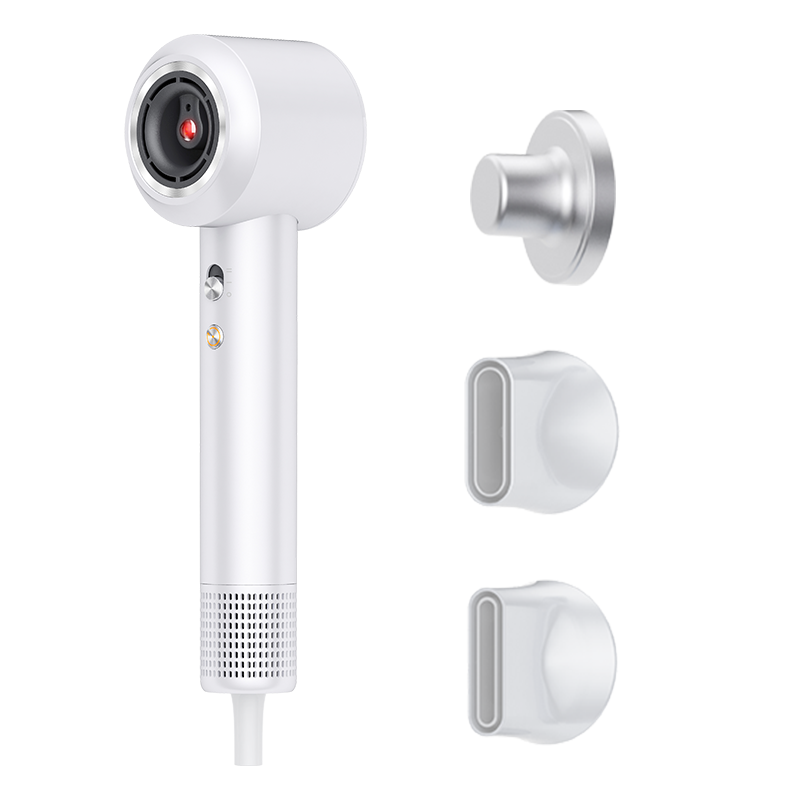
For example, an 18-in-1 multifunctional hair dryer can include a comb attachment, a diffuser, and a curling nozzle, which makes it easier for retailers to sell one hero product instead of several separate tools.
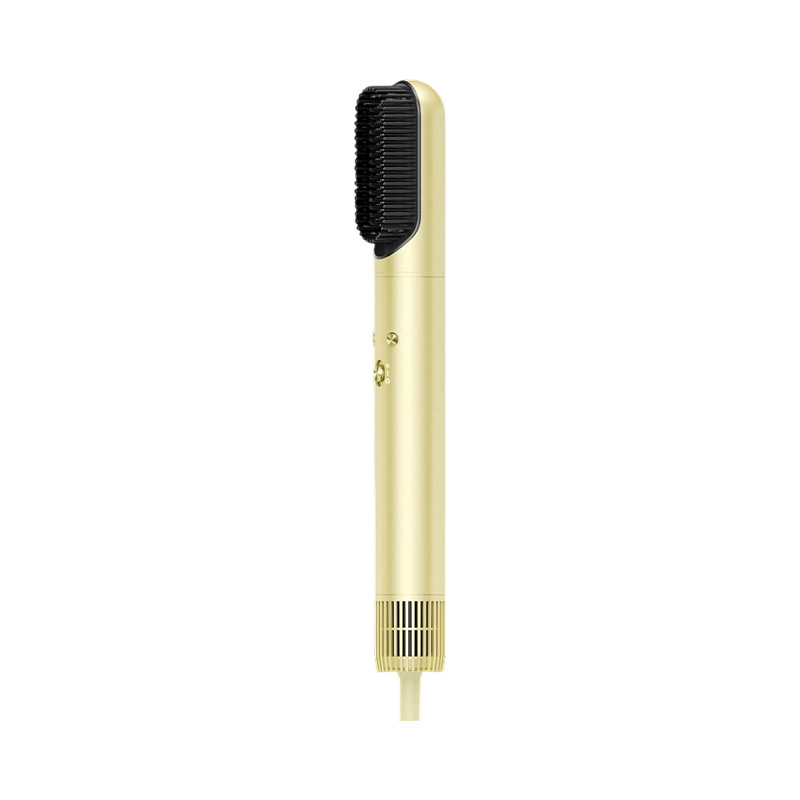 KH-802A 18-in-1 Multi-Functional Hair Dryer with Detachable CombThis versatile dryer bundles 18 attachments for drying and styling, but buyers should verify comb alignment and thermal control on the production line to ensure stable performance and safe heat response.View Product →
What OEM and private label buyers should check
When a distributor or brand sources blow dryers with comb attachments, the product photo is not enough. Comb alignment, nozzle inner diameter, motor balance, and thermal control need to be verified on the production line. A comb that is slightly off-center adds vibration. A nozzle that is too long makes the dryer harder to control. A heater that responds slowly can burn natural hair before the sensor reacts.
Factories with in-house design teams are better positioned to modify tooth spacing, comb material, airflow guide, and heat curve. The ability to adjust these parts is what turns a generic dryer into a product that actually works for natural hair. If you are sourcing for a Western retail audience, ask for a sample with wet hair, check the temperature curve with a thermal probe, and measure the drying time on 4C hair, not just straight hair.
Ningbo Youming is one example of a manufacturer that has been developing these dryers since 2010 and sells through OEM and ODM channels. This high-speed hair dryer product line shows how one factory organizes models around airflow speed, noise control, and smart temperature management. A comparison of high-speed dryers with regular dryers can help buyers explain the value to their own customers.
For brands that want a single model with comb attachment and styling extras, a 5-in-1 hair styling dryer is a practical starting point because it keeps the component count low while covering the most common use cases.
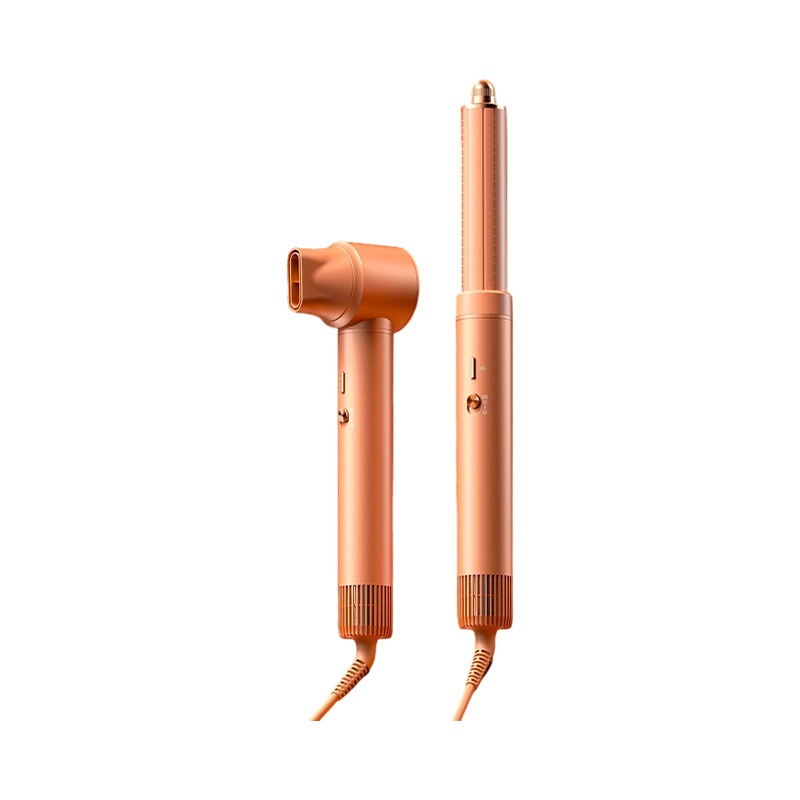 KH-802K 5-in-1 High-Speed Hair Styling DryerFeaturing a 120,000 RPM motor and 65 m/s wind speed, this lightweight model with multiple attachments suits buyers seeking one styling tool, while NTC monitoring helps protect hair from overheating.View Product →
Air stylers versus traditional blow dryers
An air styler is a cross between a dryer and a styling tool. It moves less air than a dedicated high-speed dryer, but it comes with multiple heads that make it easier to stretch, wave, or smooth hair. For a buyer who only wants one tool, an air styler with a comb attachment can replace both a dryer and a hot brush.
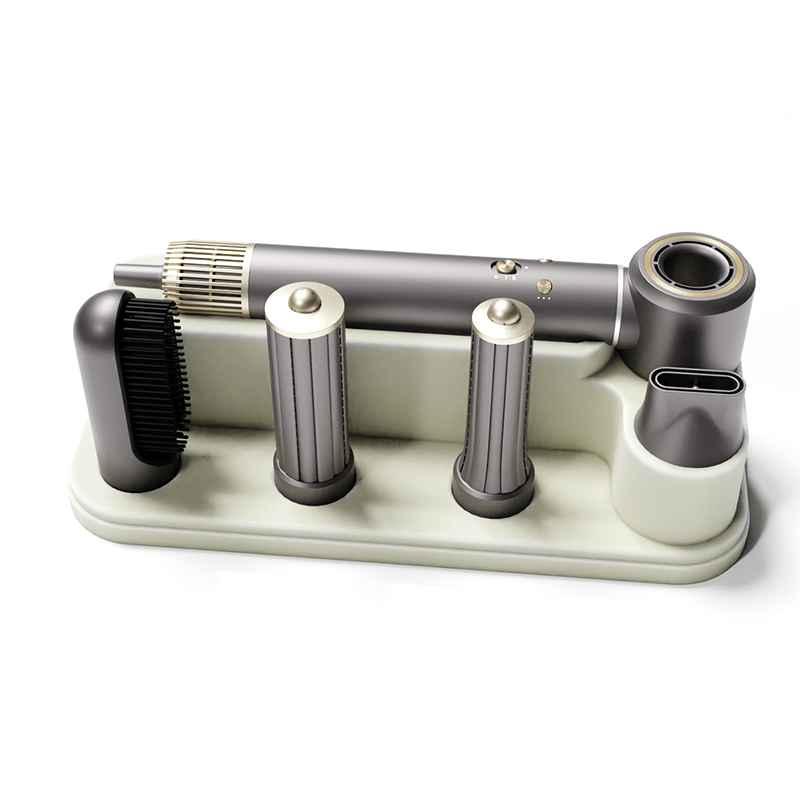 KH-802A Multifunctional Air Styler with Comb AttachmentCombining a dryer, styling nozzle, curling barrel, and straight comb, this all-in-one air styler is positioned as a family-friendly tool, but its real-world performance depends on motor speed and secure attachments.View Product →
The catch is that air stylers are not all equal. Some models produce enough air speed for quick drying. Others rely on heat and make hair feel dry while the inside is still damp. The safest choice is a model with a real high-speed motor, temperature limiting, and attachments that click in firmly. That is why the best blow dryer with comb attachment for many users today is a high-speed dryer with a detachable comb.
Final takeaway
The best blow dryer with comb attachment is the one that stretches hair quickly, keeps heat stable, and stays comfortable in the hand. Comb tooth spacing, air speed, and temperature control matter more than wattage. For natural hair, a dryer with a high-speed motor and intelligent heat control will avoid the damage that ruins the smooth finish. For buyers who plan to sell these dryers, the same features define whether the product can be positioned as professional or entry level.
Start with a simple checklist: does the comb slide without pulling, does the temperature stay near the set value, and does the dryer finish a section before heat builds up? If the answer is yes, the attachment is not just an extra part. It is the reason to choose that dryer.


 +86-574-63982198
 +86-574-63982197
 No. 933, Lingxu 2nd Road, Binhai Economic Development Zone, Cixi, Zhejiang, China.