

 English
 中文简体
 Español

Content
Most flat iron failures are not tool failures. They are temperature and section failures. A 400 F iron in unpracticed hands will scorch fine hair before it produces one smooth panel, while a 300 F iron with a clean 1 inch section can leave a mirror finish in two passes. The working formula is short: hair that is completely dry, one even layer of heat protection, sections no wider than the plates, and a single steady glide. Everything else in flat iron styling, from beach waves to a polished ponytail, is a variation on those four variables.
Start With Hair That Is Dry, Protected, and Divided
A flat iron reshapes hair by temporarily breaking the hydrogen bonds inside the cortex. Water does the same thing, which is why damp hair refuses to hold a shape and why pressing hair that still carries moisture is the fastest route to damage. The trapped water turns to steam between the plates and expands inside the strand, lifting the cuticle from the inside out. The first styling decision, then, is not the temperature dial. It is the dryer.
Towel dry to roughly 70 percent, then finish with airflow and a brush until the hair feels dry at the root, not just at the tips. Blowing the hair down in the direction you want the finished shape to fall reduces the number of iron passes later, and fewer passes beat a lower temperature every time. If you are still working out how airflow, heat, and motor speed interact on the drying side, this comparison of high speed dryers versus regular dryers covers the practical differences.
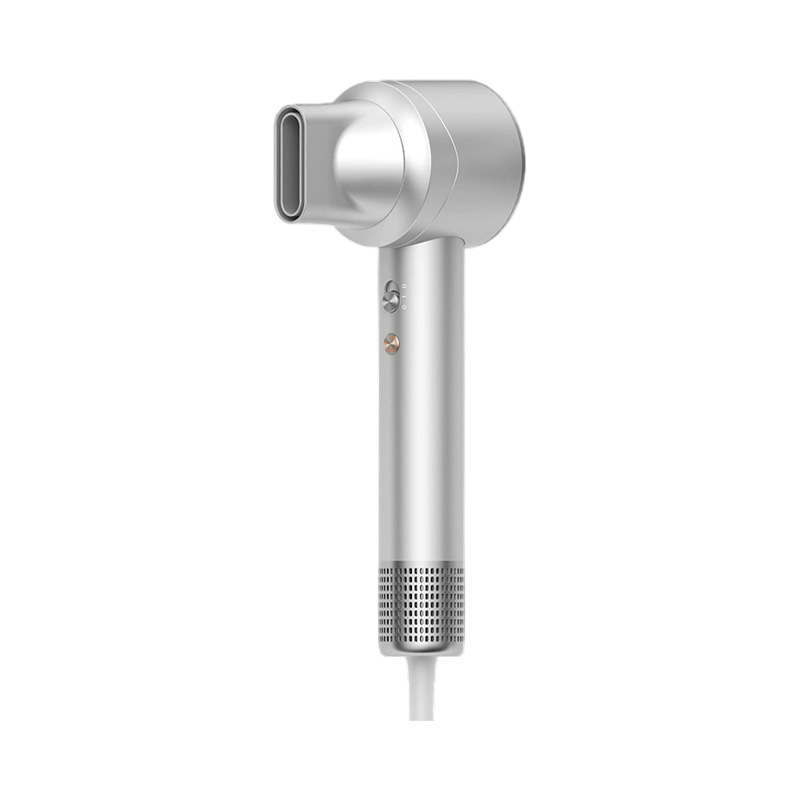
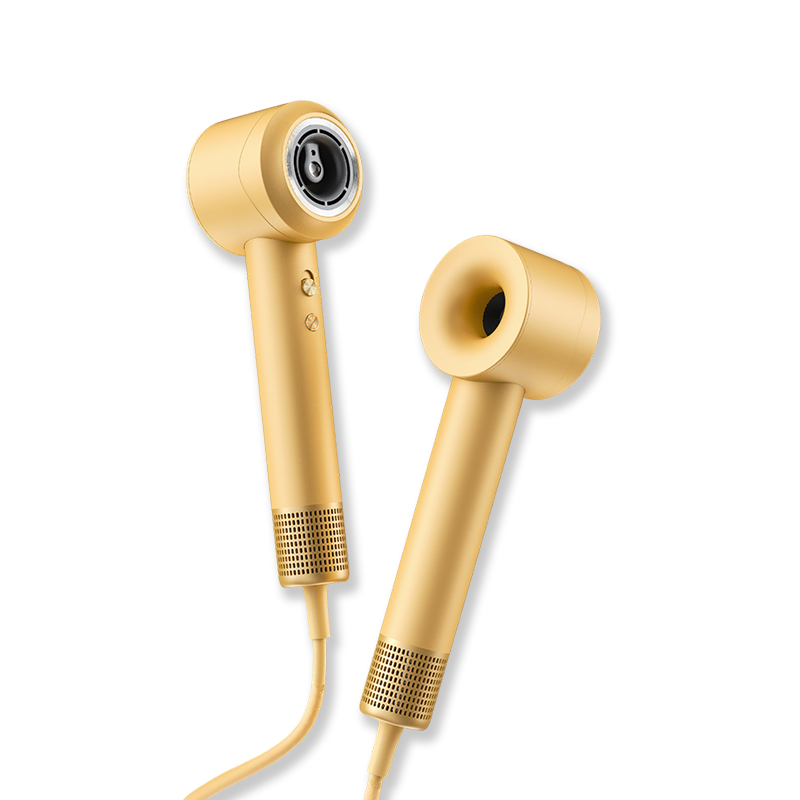 KH-803C Smart Temperature Control Hair DryerA daily styling hair dryer with closed-loop temperature control, high-speed brushless airflow, and a removable filter for easier cleaning and longer use.View Product →
Next, apply a heat protectant from mid length to the ends and comb it through so the coating sits evenly. Skip the first two centimeters at the root, where product buildup flattens volume and where the iron rarely needs help. An uneven layer of protectant is what produces patchy shine rather than an even finish.
Then divide the hair. Four quadrants first, clipped out of the way, then subsections no wider than the plates, which usually means about 1 inch. A section that is too wide forces you to slow down and press harder, and that combination is what creates the dents and scorch marks people blame on the iron.
Set the Temperature by Hair Type, Not by the Dial Maximum
Temperature should follow strand diameter and color history, not the highest number the tool allows. Fine, lightened, or previously relaxed hair reaches its shaping point at a much lower setting, while coarse or tightly curled hair needs more heat and more patience rather than more pressure. Two steady passes at a moderate setting almost always beat one slow pass at maximum.
| Hair type | Working range | Passes per section |
|---|---|---|
| Fine, thin, or color treated | 250 to 300 F (120 to 150 C) | One |
| Medium, healthy, uncolored | 300 to 350 F (150 to 175 C) | One to two |
| Thick, coarse, or naturally curly | 350 to 400 F (175 to 205 C) | Two, maximum |
Treat the displayed number as an estimate. Many consumer irons drift by 10 to 15 F from what the screen reports, which is one reason a setting that works on one tool feels aggressive on another. Start one step below your usual setting and work up. If you smell scorching or see faint white smoke, the run is over for that section, not a signal to speed up.
The Motion: Clamp, Glide, and Keep the Section Thin
Position the plates two to three centimeters below the root so you are not pressing a hot edge against the scalp, then close the iron and move. Clamp first, then travel: closing the plates mid glide is what leaves a hard crease in the middle of a strand. Keep light tension with the free hand so the section stays flat against the plates, and hold a pace of roughly two to three seconds per inch. Stopping in one spot for more than a second or two is the single most common cause of a burnt patch.
Chase the ends deliberately. On the last two centimeters, roll the wrist slightly inward for a smooth finish or outward for a flick, and let the hair cool for a few seconds before you touch it. Hair sets as it cools, so moving a section immediately after the pass undoes part of the work.
Plate width changes the workflow more than the temperature does. A 1 inch plate handles short layers, bangs, and detail work; a 1.5 inch plate cuts styling time on long, dense hair but struggles near the hairline. If you style more than one head shape or length in a household or a salon chair, two widths are more useful than a second heat setting.
Four Looks You Can Build With the Same Tool
Sleek and Straight
Work quadrant by quadrant, passing the iron down and slightly inward at the ends. Finish with a light serum on the palms only, pressed over the surface, rather than combed through the roots.
Soft Waves
Clamp the iron a third of the way down the section, turn it a half rotation away from the face, and glide down while keeping the rotation constant. Hold the shape for 5 to 10 seconds after the pass, then alternate the direction on the next section so the waves do not stack into one diagonal pattern.
Flicked Ends
Straighten the length as usual, then on the final pass rotate the wrist outward as the plates reach the last few centimeters. This reads as a deliberate bob shape and it hides an uneven cut better than a flat finish.
Straight Ponytail or Half Up
Smooth the top and side sections first, then gather. Smoothing before tying keeps the surface clean and avoids the small crimps that appear when a tied ponytail is pressed afterward.
Common Mistakes and Quick Fixes
- Dents in the middle of a strand: the plates were closed while moving. Close, pause, then glide.
- Frizzy ends: too many repeat passes. Two is the ceiling; a third pass adds shine only in the imagination.
- Waves that fall flat within an hour: the hair was too clean or too soft. A light styling spray before the pass holds the shape.
- Flat roots: highest heat applied at the scalp. Keep root passes at the low end and lift with the brush instead.
- Scorched smell: stop, let the section cool, and drop the setting by 30 to 50 F before continuing.
What Buyers and Brands Should Check Before Committing
On a specification sheet, two straighteners with the same wattage and the same plate coating can behave nothing alike. The differences that decide user reviews are temperature accuracy, heat-up time, and how the plates float. A heater that overshoots by 30 F will burn fine hair no matter what the display claims, so ask for the actual control tolerance rather than the set range. Floating plates that follow the section reduce the pressure a user has to apply, which directly reduces creasing.
Also confirm the boring details that generate returns: dual voltage from 100 to 240 V, a locking switch for travel, a swivel cord rated for the plug type, and an automatic shutoff around 60 minutes. Certifications relevant to your market belong in the quotation stage, not the final inspection.
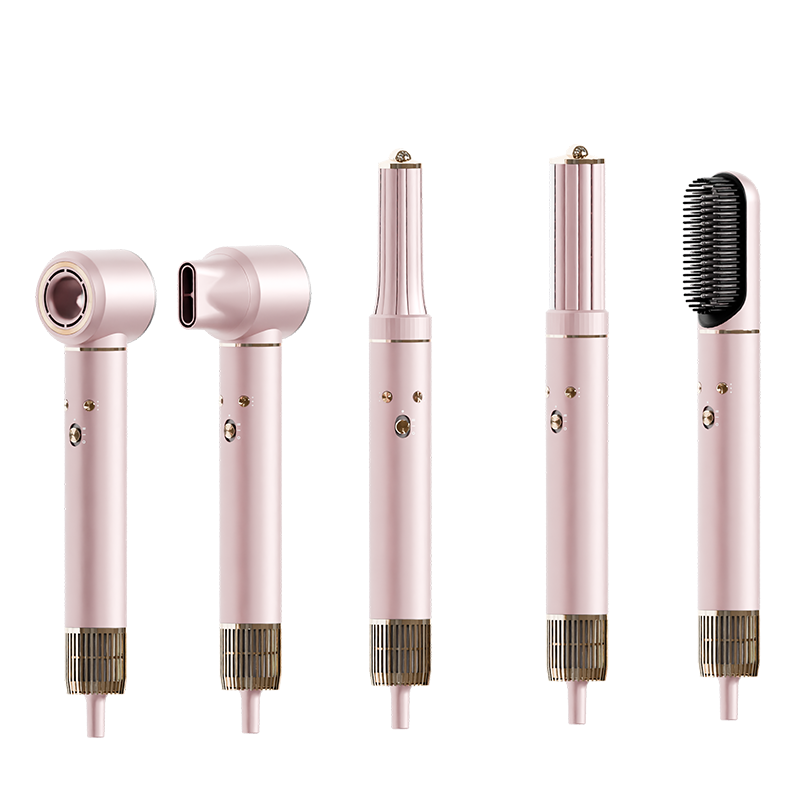
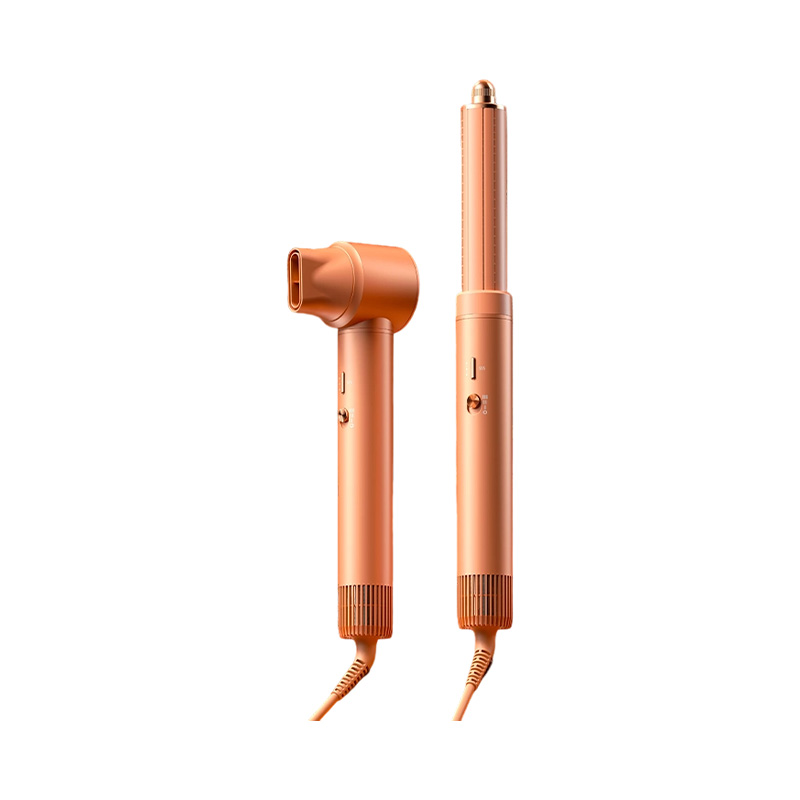 KH-802K 5-in-1 Multi-Function Hair Styling DryerA multi-functional high-speed styling dryer with 120,000 RPM airflow, NTC temperature monitoring, negative ions, and customizable color and logo options for private-label programs.View Product →
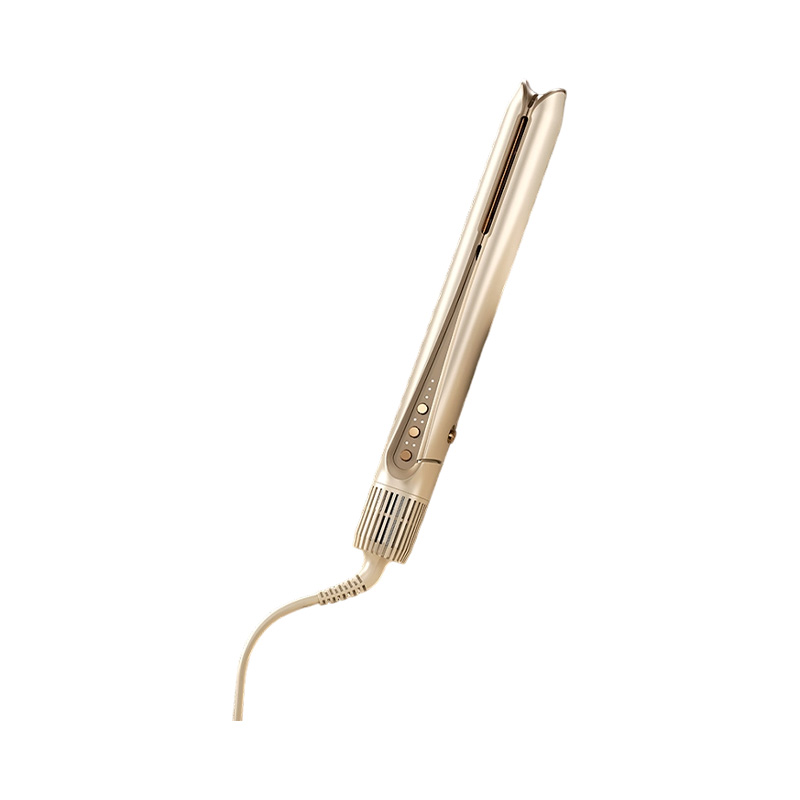
For private-label programs, the styling logic in this article becomes a specification checklist. A straightener paired with a dryer reduces total passes, and a single tool that covers straightening and curling covers more of the routine with less inventory. Ningbo Youming Electrical Appliance has developed more than 100 appliance models since 2010, holds ISO 9001 processes across a production area of over 70,000 square meters, and supplies OEM and ODM partners across North America, South America, Europe, and Asia. The full range of styling tools and multi-function stylers shows how the pieces are meant to pair in a routine, not compete for the same shelf.
Flat iron styling rewards control more than equipment. Dry the hair completely, protect it evenly, cut the sections thin, set the heat to the hair rather than the maximum, and move at one steady pace. Master those five habits and the difference between an entry-level iron and a premium one narrows to heat recovery and plate feel, which are refinements rather than requirements.


 +86-574-63982198
 +86-574-63982197

 No. 933, Lingxu 2nd Road, Binhai Economic Development Zone, Cixi, Zhejiang, China.
