

 English
 中文简体
 Español

Content
- 1 Start With Hair That Can Hold a Bend
- 2 Match Barrel Size and Section Size to the Curl You Want
- 3 Set Heat by Hair Condition, Not by Maximum Output
- 4 Wrap, Hold, and Release for Soft Bends
- 5 Cool, Separate, and Finish Without Flattening the Curl
- 6 Fix the Three Most Common Failures
- 7 What Buyers and Salon Teams Should Compare
Soft curls are the result of controlled heat, consistent section size, and a cool set, not from holding the iron longer. If curls fall flat within an hour, the usual causes are hair that was too damp, sections that were too large, heat that was too high for the hair type, or brushing the curl before it cooled. The fix is a repeatable routine: prep the hair, choose the right barrel and section, use moderate heat, wrap in alternating directions, and let each curl cool before you separate it.
This routine works on shoulder-length hair, long layers, and curtain bangs. It also gives salon teams and private-label buyers a clear set of variables to compare when a curling iron needs to produce soft bends rather than tight ringlets.
Start With Hair That Can Hold a Bend
Soft curls last when the hair is clean, completely dry, and evenly treated with heat protection. Styling on damp hair traps moisture inside the curl, so the bend collapses as the hair dries. Apply a light heat protectant from mid-length to ends, comb it through, and wait until the hair feels dry to the touch before the iron touches it.
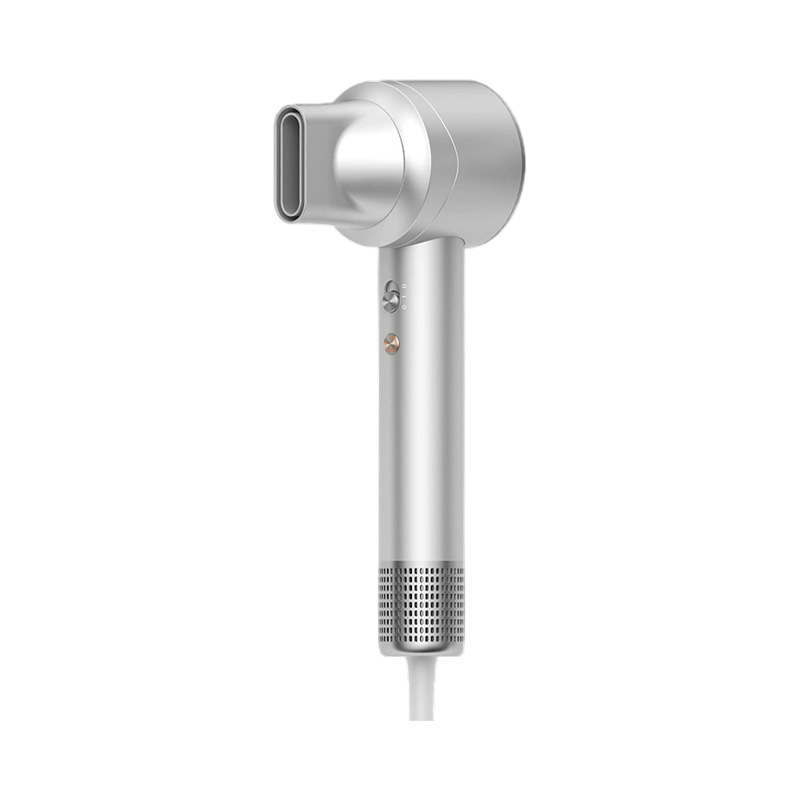
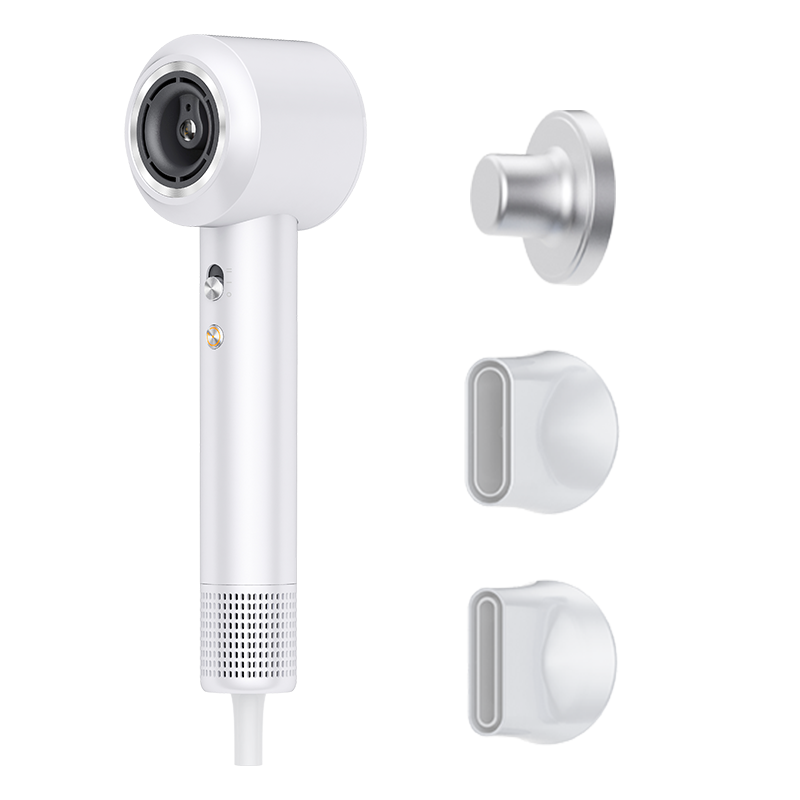
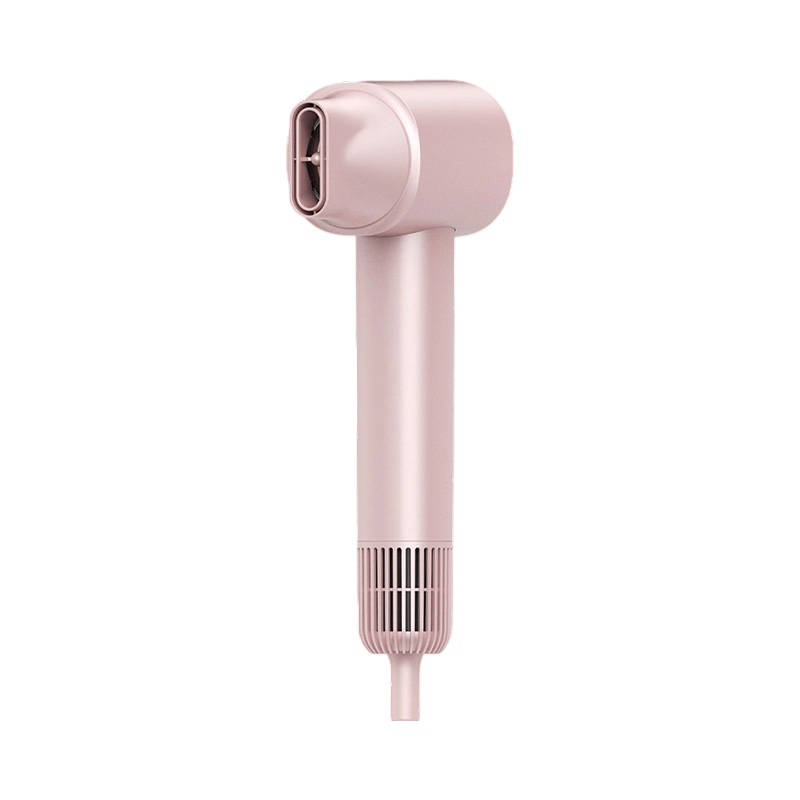
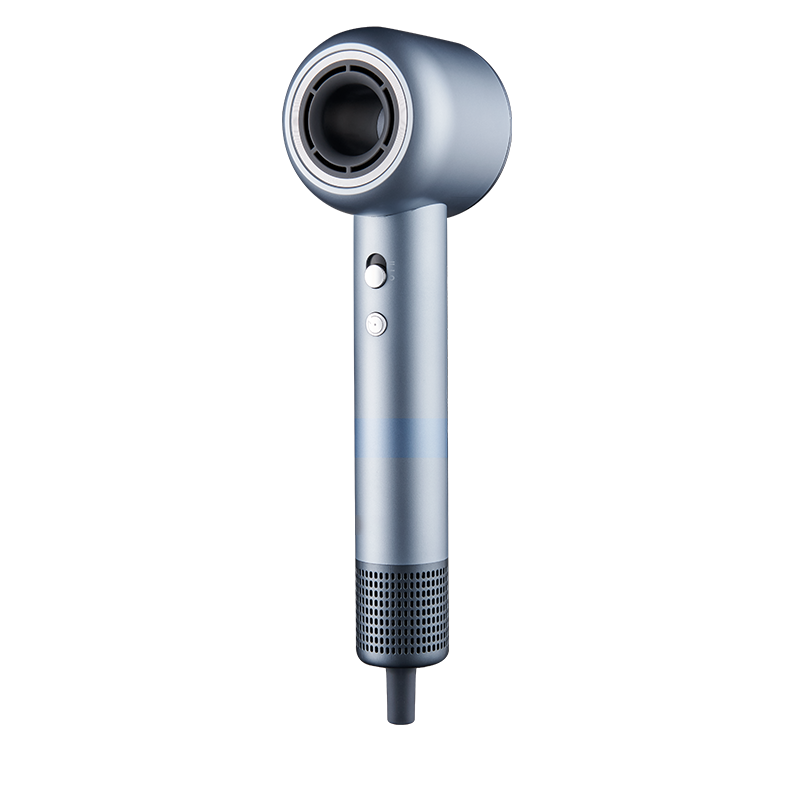
If you wash and rough dry first, stop at about 90 percent dry and finish with a brush and dryer for smoothness. A high-speed dryer with controlled heat shortens this stage and reduces the risk of overheating the cuticle, which matters for fine hair and color-treated hair. For a closer look at airflow and heat control, see this comparison of high-speed and regular dryers.
Match Barrel Size and Section Size to the Curl You Want
Barrel diameter controls the size of the bend; section size controls how much definition and hold you get. A one inch barrel on two inch sections gives a defined soft curl. A one and a quarter inch barrel on similar sections gives a looser wave. A one and a half inch barrel is more forgiving on long hair, but it needs more time and a lighter finish because the larger diameter creates a softer shape.
| Barrel diameter | Best for | Section size | Typical result |
|---|---|---|---|
| One inch | Shoulder-length hair, defined soft curls | One to one and a half inches | More definition and longer hold |
| One and a quarter inch | Medium hair, loose waves | One and a half to two inches | Soft bends with moderate volume |
| One and a half inch | Long hair, brushed-out waves | Two inches | Loose, natural movement |
For consistent soft curls, keep sections between one and two inches. Smaller sections create more curl and more separation, while larger sections create a softer bend with less hold. If the hair is thick or coarse, stay closer to one inch sections. If the hair is fine, avoid very large sections because the heat will not reach the inner layers evenly.
Set Heat by Hair Condition, Not by Maximum Output
Use the lowest temperature that creates a lasting bend. Fine, damaged, or color-treated hair usually responds well at 160 to 180 degrees Celsius, roughly 320 to 355 degrees Fahrenheit. Normal hair often needs 180 to 190 degrees Celsius. Coarse or resistant hair may need 190 to 200 degrees Celsius, but higher heat should shorten the hold time, not increase it. If the iron has a temperature display, wait until it stabilizes; a flashing display means the barrel is still recovering.
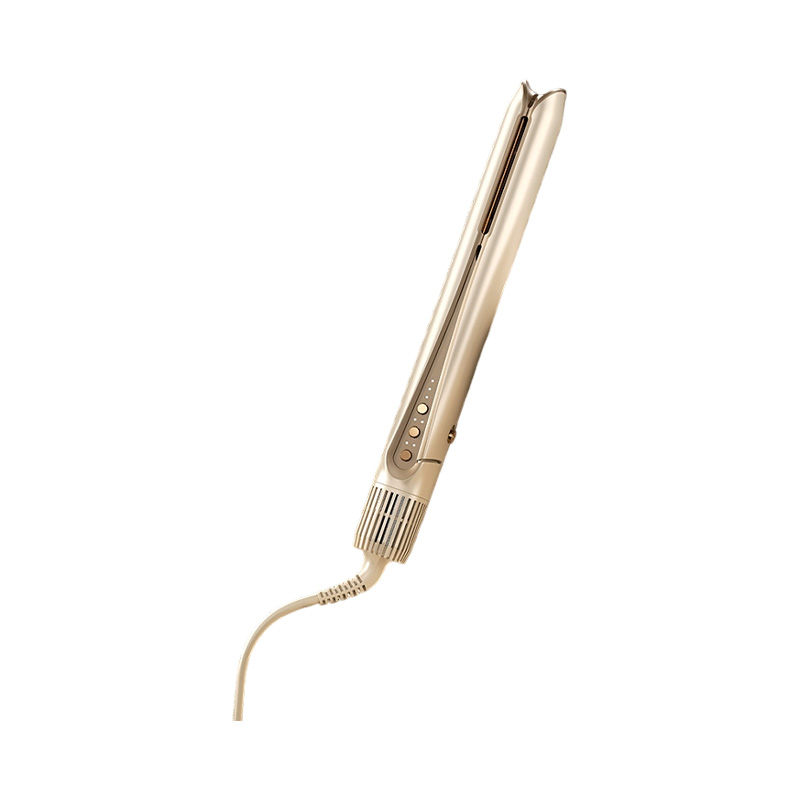 KH-810 Intelligent Temperature Control Straightener and Curling IronDual-function styling tool with multi-level temperature control and fast heating, plus a compact lockable design and extended cord for home or travel.View Product →
A curling iron with adjustable temperature and a stable barrel is easier to use for soft curls than a fixed high-heat tool. The barrel should glide through the section without pulling, and the clamp should hold the hair without creasing it. For product programs, compare heat-up time, temperature accuracy, cool tip, swivel cord, and dual voltage, because these details affect how consistently the tool performs across markets.
Wrap, Hold, and Release for Soft Bends
Work in the same order every time so the result is repeatable.
- Section the hair into one to two inch panels and clip the rest away.
- Comb each panel smooth and apply a small amount of heat protectant if the hair feels dry.
- Open the clamp, place the barrel at mid-length, and leave the last inch of ends outside the iron.
- Wrap the section around the barrel away from the face, then close the clamp gently.
- Hold for five to eight seconds, depending on hair type and heat.
- Release the curl into your hand and let it cool in a loose coil before moving to the next section.
Alternate the wrap direction on each side of the head. Wrapping every section in the same direction creates a uniform, older-looking set; alternating directions gives a softer, more natural finish. Keep the iron moving slightly as you wrap so the barrel does not leave a hard crease. If you use a clampless wand, the same rules apply: start at mid-length, leave the ends out, and wrap away from the face.
Cool, Separate, and Finish Without Flattening the Curl
Let each curl cool for at least ten seconds before you touch it. Hair holds the shape it cools in, so a curl that is brushed hot will drop. After all sections are cool, use your fingers or a wide-tooth comb to break the curls apart. Do not brush them out with a dense brush. Finish with a light flexible spray from about ten inches away, or use a small amount of texture mist on the ends.
For a softer look, stretch each curl gently downward after it cools. This turns a tight ringlet into a loose bend. If the hair is very fine, pin each curl with a clip while it cools, then release the clips and finger comb. If the hair is thick, separate the curls in larger pieces so the shape stays intact.
Fix the Three Most Common Failures
- Curls drop quickly: the hair was damp, the section was too large, or the curl was brushed before it cooled. Dry the hair fully, reduce section size, and wait for the cool set.
- Curls look crimped: the iron was clamped too hard or held in one spot. Keep light tension, wrap the section smoothly, and avoid pressing the clamp into the hair.
- Ends look straight or crushed: the ends were clamped inside the barrel. Leave the last inch out and wrap it around the barrel by hand for a softer finish.
If the curl is too tight, use a larger barrel or a larger section next time. If it is too loose, reduce the section size before you raise the heat. Heat is the last variable to change, not the first.
What Buyers and Salon Teams Should Compare
For professional use and private-label development, soft curls are a good test of a curling iron because they expose weak temperature recovery, rough barrel coatings, and uncomfortable clamps. A tool that overheats the ends or loses heat after two sections will produce uneven bends, no matter how good the technique is. Compare the barrel diameter range, temperature steps, heat-up time, and cord length against the way the tool will actually be used.
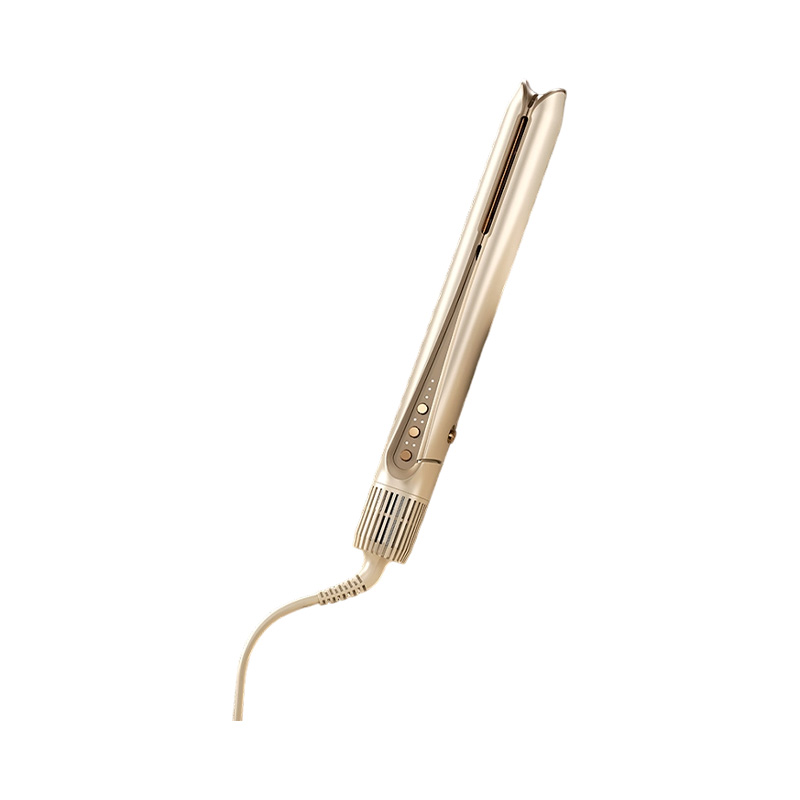
For a compact range, a straightener and curling iron combination can cover both straight looks and soft bends, but the curling barrel still needs a smooth surface and stable heat. The reliable recipe stays the same: clean dry hair, one to two inch sections, moderate heat, alternating wrap directions, and a full cool set before finishing.


 +86-574-63982198
 +86-574-63982197

 No. 933, Lingxu 2nd Road, Binhai Economic Development Zone, Cixi, Zhejiang, China.
