

 English
 中文简体
中文简体 Español
Content
- 1 Expected Lifespan By Type Of Multi-Functional Styler
- 2 The Factors That Actually Determine How Long Your Styler Lasts
- 3 How To Clean A Multi-Functional Hair Styler Properly
- 4 Storage Practices That Protect Internal Components
- 5 Warning Signs That A Multi-Styler Is Nearing The End Of Its Useful Life
- 6 How Usage Frequency Affects How Long Your Tool Lasts
- 7 Choosing A Multi-Functional Hair Styler Built To Last
A well-maintained multi-functional hair styler typically lasts between 2 and 7 years, depending on build quality, how often it is used, and how carefully it is maintained. Hot air brush stylers and multi-attachment styling systems generally fall in the 2 to 4 year range under regular daily use, while high-quality professional-grade flat irons and ceramic multi-stylers can last 5 years or longer with proper care (Source: ANPEL Group, What Is the Lifespan of a Hair Dryer; Artisto, Lifespan of Hair Straightener). The gap between a two-year tool and a seven-year tool is almost never about the category of device; it is about plate material, internal component quality, and the daily habits the owner follows. Understanding those variables lets you get the most from any multi-styler you invest in.
Expected Lifespan By Type Of Multi-Functional Styler
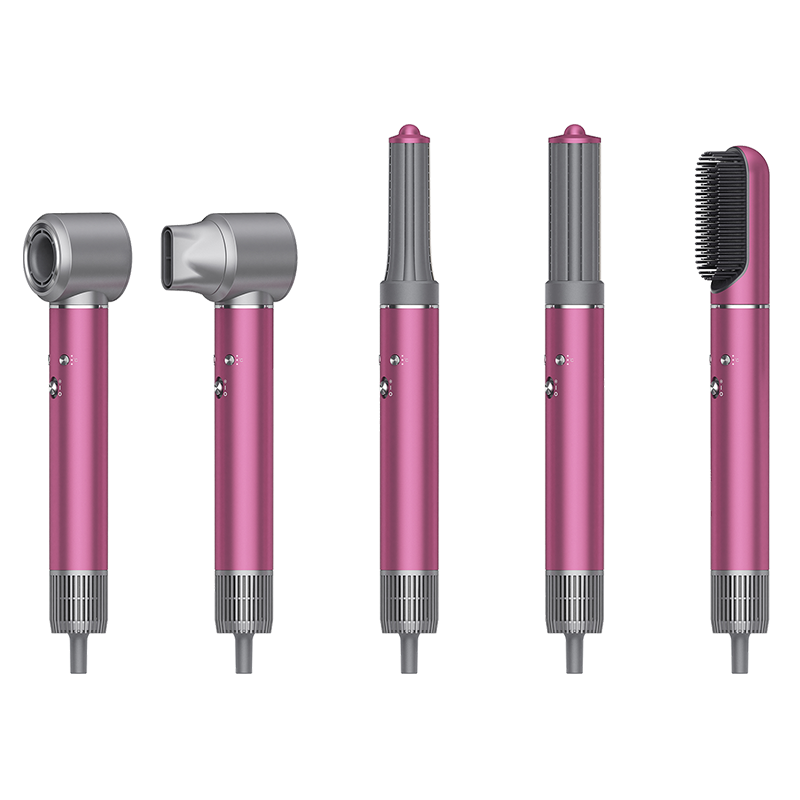
Different multi-functional hair styler formats have different life expectancies because they combine different mechanical components, each with its own failure timeline.
| Styler Type | Typical Lifespan | Primary Wear Component |
| Hot air brush / dryer brush styler | 2 to 4 years | Bristles and heating elements |
| Multi-attachment airflow styler | 2 to 4 years | Motor, rotating barrels, and seals |
| Multi-function flat iron with curl mode | 3 to 5 years | Plate coating and heating coils |
| Professional-grade ceramic or titanium multi-styler | 5 to 7 years or more | Hinge mechanism and cord stress |
ANPEL Group's product lifespan guide confirms that hot comb dryer brush and hot air styler categories both fall in the 2 to 4 year range, noting that heating elements and bristles wear out over time, with rotating barrels in some models being particularly susceptible to mechanical degradation (Source: ANPEL Group, What Is the Lifespan of a Hair Dryer). At the other end of the spectrum, professional-grade hair dryers last 6 to 7 years compared with 2 to 3 years for cheaper alternatives, a ratio that applies equally to multi-stylers because the underlying quality factors are the same (Source: Gamaiqdryer, Professional Hair Dryer Maintenance Tips for Long Life).
The Factors That Actually Determine How Long Your Styler Lasts
Lifespan figures are averages, and individual results depend heavily on several controllable and non-controllable variables. Understanding these factors helps buyers make better purchase decisions and helps current owners extend the life of the tools they already have.
Plate And Coating Material Quality
For multi-stylers that include a flat iron or straightening mode, the plate material is the single most important determinant of longevity. Celebrity hairstylist Gregory Patterson explains the difference clearly: true ceramic plates have anywhere from three to five layers of baked ceramic, ceramic tourmaline, and ceramic and magnesium, with smoother plate surfaces, properly placed heating coils, and even heat distribution across the entire plate that results in better performance and less degradation over time (Source: Mane Addicts, How Long Do Hair Straighteners Last). By contrast, ceramic-coated plates, where a thin ceramic layer is applied over a metal base, wear through the coating with normal use, and once the coating is compromised the plate overheats unevenly and begins damaging hair. Artisto confirms this directly, noting that low-quality or basic ceramic-coated stylers may not last up to 3 years, while a high-quality true ceramic or titanium unit maintained well can last 5 years or more (Source: Artisto, Lifespan of Hair Straightener).
Usage Frequency And Daily Habits
How often the tool is used and at what temperature has a direct impact on how quickly its internal components degrade. Running a multi-styler at its maximum heat setting for every use places more continuous thermal stress on both the heating elements and the plate coating than using a temperature matched to the hair type actually requires. Artisto and Heirs to Beauty both note that using the correct temperature for your hair type and not defaulting to maximum heat for every session is one of the most effective habits for extending tool life, since excessive heat accelerates plate wear and puts unnecessary stress on internal wiring (Source: Artisto, Lifespan of Hair Straightener; Heirs to Beauty, The 5 Best All-in-One Hair Stylers). For multi-stylers used daily, the same principle applies to every attachment mode, not only the flat iron function.
Cord Stress And Storage Habits
The power cord is one of the first components to fail on most styling tools, and cord failure in a heat-generating device is a safety issue, not just a performance one. Wrapping a cord tightly around the barrel or handle after each use creates repeated stress fractures in the wire insulation at the bend points. Being Beautiful and Pretty's maintenance guide states directly that cords should be coiled loosely to avoid stress on the wires, and that tight wrapping is one of the most common causes of premature cord failure in hair styling tools (Source: Being Beautiful and Pretty, The Cleaning and Storage Rules for Hair Multi Stylers). Gamaiqdryer confirms that avoiding tight cord wrapping around the device is a specific recommendation for extending dryer and styler lifespan, and that any fraying or exposed wire is an immediate safety stop signal (Source: Gamaiqdryer, Professional Hair Dryer Maintenance Tips for Long Life).
Build-Up On Plates And Attachment Heads
Hair product residue, natural scalp oils, and styling cream deposits accumulate on every surface of a multi-styler that contacts hair. This build-up does two things that shorten tool life: it creates an insulating layer over the heating elements that forces the tool to work harder to reach set temperatures, and the combination of product chemicals with repeated heating cycles has a corrosive effect on plate coatings over time. Cloud Nine's care guide describes the specific mechanism: oils and debris on the plates create a barrier that reduces heat conductivity, and the combination of product chemicals with heat can have a corrosive effect on ceramic and mineral plate surfaces, wearing away the coating that makes the plates perform at their best (Source: Cloud Nine, How to Clean Your Hair Straightener).
How To Clean A Multi-Functional Hair Styler Properly
Cleaning is the most impactful maintenance action a styler owner can take, and it applies to every component of a multi-functional tool, not only the primary heating surface.
Cleaning Plates And Smooth Heating Surfaces
Always unplug the tool and allow it to cool completely before cleaning. Faszin's maintenance guide for flat irons recommends wiping the heating plate surface with a soft cloth dampened with a small amount of neutral detergent diluted in water, wrung out to avoid excess moisture entering the device, then drying with a clean cloth before storing (Source: Faszin, How to Maintain a Wide Plate Hair Straightener). For stubborn product residue, PYT Hair Style recommends using a small amount of rubbing alcohol on a cloth to dissolve the build-up, with gentle wiping rather than vigorous scrubbing to avoid scratching the plate surface (Source: PYT Hair Style, How to Maintain Your Hair Tools for Longevity). Artisto's plate cleaning guidance adds that harsh chemicals should be avoided even when residue is severe, since they can degrade the plate coating faster than the build-up itself (Source: Artisto, Lifespan of Hair Straightener).
Cleaning Brush Heads And Air Vents
Multi-attachment stylers with brush heads accumulate hair and product debris in the bristles with every use. Aria Beauty's tool maintenance guide recommends wiping down all surfaces after each use with a soft, damp cloth once the tool has cooled completely, and removing tangled hair from brush attachments before it compacts and becomes harder to extract (Source: Aria Beauty, The Ultimate Guide to Cleaning Hair Styling Tools). For airflow-based styling tools with intake vents, PYT Hair Style specifically calls out regular vent inspection and cleaning as essential for maintaining consistent airflow performance, since restricted airflow causes the motor to run hotter and shortens its operational life (Source: PYT Hair Style, How to Maintain Your Hair Tools for Longevity).
Cleaning The Cord And Outer Housing
ManocoBlue's hair tool maintenance guide notes that the cord and handle collect styling product residue, dust, and grease that accumulate over time and can migrate into the device's ventilation openings if not removed periodically (Source: ManocoBlue Blog, Hair Tool Maintenance 101). A simple wipe of the outer housing and the full length of the cord with a damp cloth at each monthly deep clean removes this build-up without requiring specialized products or techniques.
Storage Practices That Protect Internal Components
How a multi-functional hair styler is stored between sessions determines whether its plates, cords, and internal components remain in good condition between cleaning cycles.
- Always allow the tool to cool fully to room temperature before storing, since placing a still-warm styler in a bag or drawer traps heat and causes internal component stress (Source: Artisto, Tips for Maintaining Your Hair Styling Tools for Longevity)
- Use a heat-resistant pouch, silicone mat, or the original protective case when storing stylers, since these surfaces absorb residual heat and protect both the tool and surrounding surfaces from contact damage (Source: Being Beautiful and Pretty, The Cleaning and Storage Rules for Hair Multi Stylers)
- Coil the cord loosely in a gentle loop rather than wrapping it around the device, since tight wrapping at consistent bend points causes internal wire fractures that may not be visible on the insulation surface before they cause a failure
- Store stylers upright or flat rather than at an angle that places pressure on hinges, plate edges, or attachment connection points (Source: Being Beautiful and Pretty)
- Keep tools in a cool, dry place away from bathroom humidity and direct sunlight, since moisture promotes corrosion on internal metal components and UV exposure can degrade outer housing materials over time (Source: Gamaiqdryer, Professional Hair Dryer Maintenance Tips for Long Life)
Warning Signs That A Multi-Styler Is Nearing The End Of Its Useful Life
Knowing when to replace a styling tool rather than continuing to use a degraded device protects both the hair and the user.
- Visible scratches, dents, or flaking on heating plates, which indicates that the protective coating has worn through and the underlying metal is now in direct contact with hair (Source: Artisto, Lifespan of Hair Straightener)
- Uneven heat distribution, where some sections of the plate or barrel heat to a different temperature than others, causing inconsistent styling results and forcing repeated passes that damage the hair shaft
- Slow or inconsistent heat-up time, where the tool takes longer than its rated specification to reach the set temperature, indicating that the heating element is degrading (Source: Artisto, Lifespan of Hair Straightener)
- Burning or unusual smell during use, which Artisto identifies as a serious warning sign of damaged internal wiring that can cause overheating of the external body and represents a fire risk (Source: Artisto, Lifespan of Hair Straightener)
- Frayed, kinked, or exposed wiring anywhere along the cord or at the device connection point, which Israel National News flags as an immediate safety stop since damaged cords pose electric shock risk and must not be used until professionally repaired or replaced (Source: Israel National News, 5 Tips for Maintaining Your Hair Styling Tools)
- Unusual noise from internal components, including rattling, grinding, or a change in motor tone on airflow-based multi-stylers, which indicates mechanical wear inside the device that cannot be corrected by surface cleaning
How Usage Frequency Affects How Long Your Tool Lasts
The lifespan figures cited above assume regular daily or near-daily use. Usage frequency directly scales the rate at which thermal and mechanical wear accumulates.
A multi-styler used once daily, 7 days a week accumulates approximately 365 full heat cycles per year. The same tool used 3 times per week accumulates around 156 cycles, meaning the actual calendar lifespan of the same device could effectively more than double if usage frequency is lower. Heirstobeauty's review guide confirms this variable: longevity depends on several factors including your hair type, technique, and how often the tool is used, and that understanding these factors helps buyers evaluate whether they need a more durable professional-grade tool or whether a quality consumer model will serve them well for the same practical period (Source: Heirs to Beauty, The 5 Best All-in-One Hair Stylers).
For users who style daily, investing in a higher-grade multi-styler with true ceramic plates and a robust motor is a better long-term value proposition than replacing a budget-grade tool every two years. For occasional users, a well-maintained mid-range tool may outlast its expected lifespan by years simply because the thermal cycle count accumulates slowly.
Choosing A Multi-Functional Hair Styler Built To Last
Buying decisions made at the point of purchase have the largest single impact on how long a multi-styler will remain functional.
- Prioritize true ceramic, titanium, or tourmaline plate materials over ceramic-coated options, since the coating on cheaper plates wears through within 1 to 2 years of daily use while true material plates maintain consistent performance for significantly longer
- Check that the cord is long enough for comfortable use without constant tension on the connection point, since short cords that are routinely pulled taut are a leading cause of early cord failure
- Look for overheat protection and auto-shutoff features, which prevent the thermal stress that occurs when a tool is accidentally left on or reaches a temperature beyond its design range
- Confirm that replacement attachments are available for the model, since multi-functional tools with interchangeable heads can continue in service after an individual attachment wears out if spares are commercially available
- Consider warranty length as a proxy for manufacturer confidence in the product: a 2-year warranty signals a different expectation of lifespan than a 1-year offering on a comparable-price product
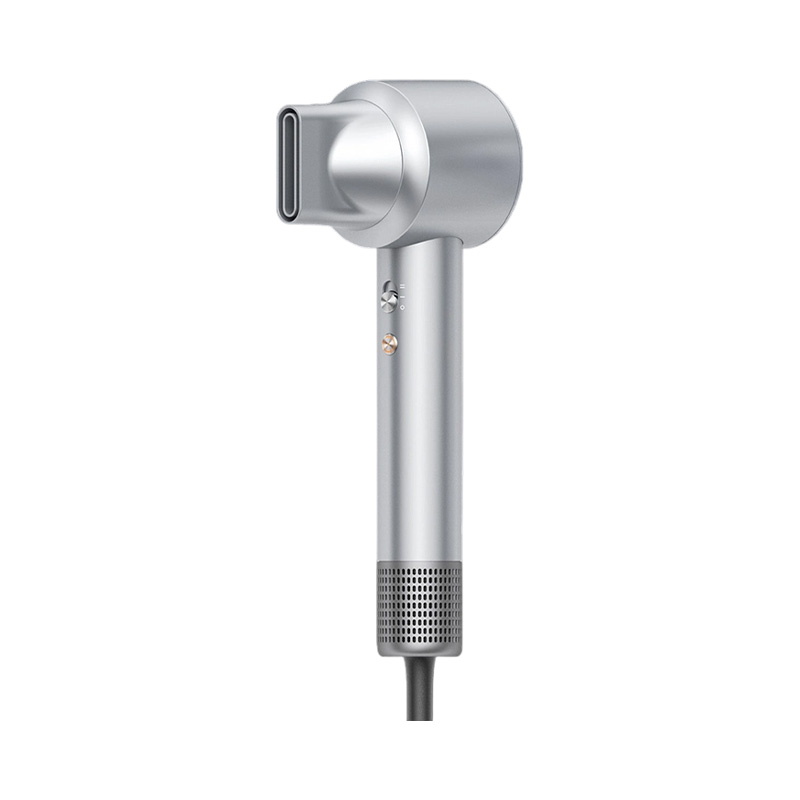
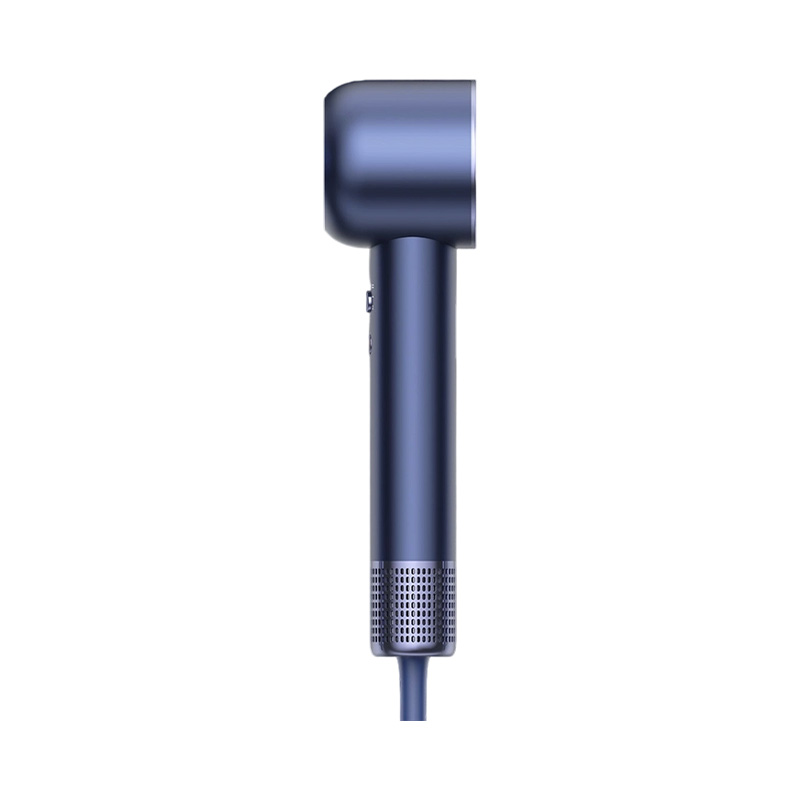
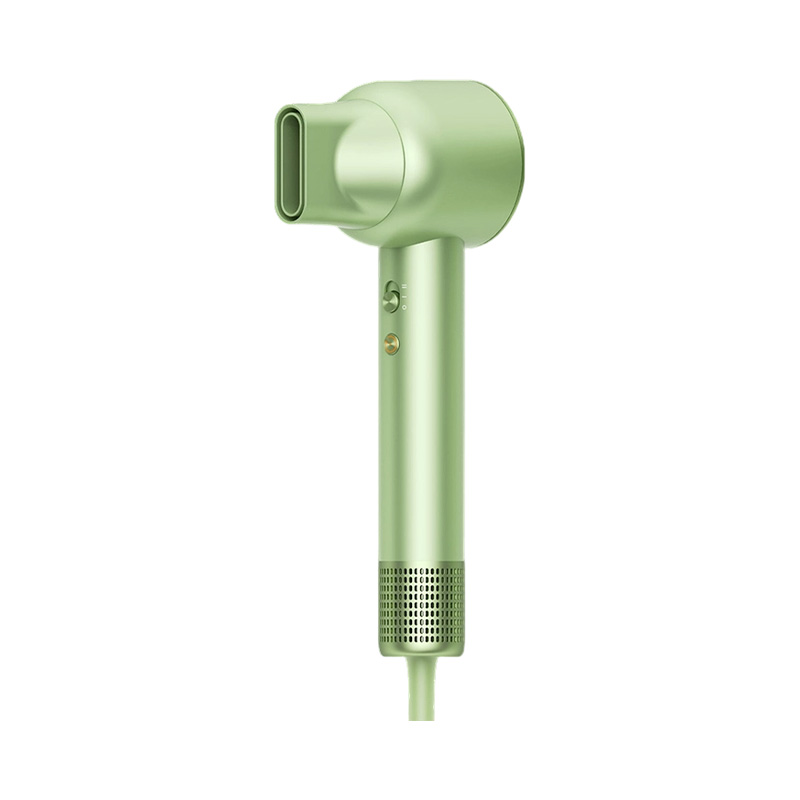
The Highspeedhairdryer multi-functional hair styler range is built around these durability-first principles, combining quality heating components with overheat protection and attachment designs that are engineered to deliver consistent performance across years of regular use rather than only in the first few months after purchase.
 Previous

 +86-574-63982198
 +86-574-63982197
 No. 933, Lingxu 2nd Road, Binhai Economic Development Zone, Cixi, Zhejiang, China.