

 English
 中文简体
 Español

Content
The fastest way to blow dry long hair with a round brush is to stop treating the brush as a drying tool. Rough dry the hair to about 80 percent first, then use the round brush to create tension, direction, and shape. If you wrap soaking wet hair around a round brush, you spend too long under heat, the sections pull, and the finished style falls flat within an hour.
Long hair needs a different rhythm from short hair. There is more length to manage, more water to remove, and a higher risk of tangling at the mid-lengths and ends. The method below keeps the dryer moving, keeps the brush under control, and gives you a smooth finish without relying on high heat for the whole process.
Set Up the Dryer and Brush Before You Start
Good results start with two tools that match the job. Use a dryer with strong airflow, adjustable heat, and a concentrator nozzle. The nozzle matters because it focuses air along the hair shaft instead of scattering it across the cuticle. For long hair, a round brush with a barrel around 1.75 to 2.5 inches works well. Smaller barrels build more curve but take longer. Larger barrels smooth more hair at once but can be harder to control near the roots.
- Choose a brush with firm bristles that grip the hair without scratching the scalp.
- Use section clips to separate the hair. Long hair rarely blows out well in one pass.
- Keep the concentrator nozzle attached for smoothing and root lift.
- Set the dryer to high airflow and medium heat for rough drying, then lower the heat for styling.
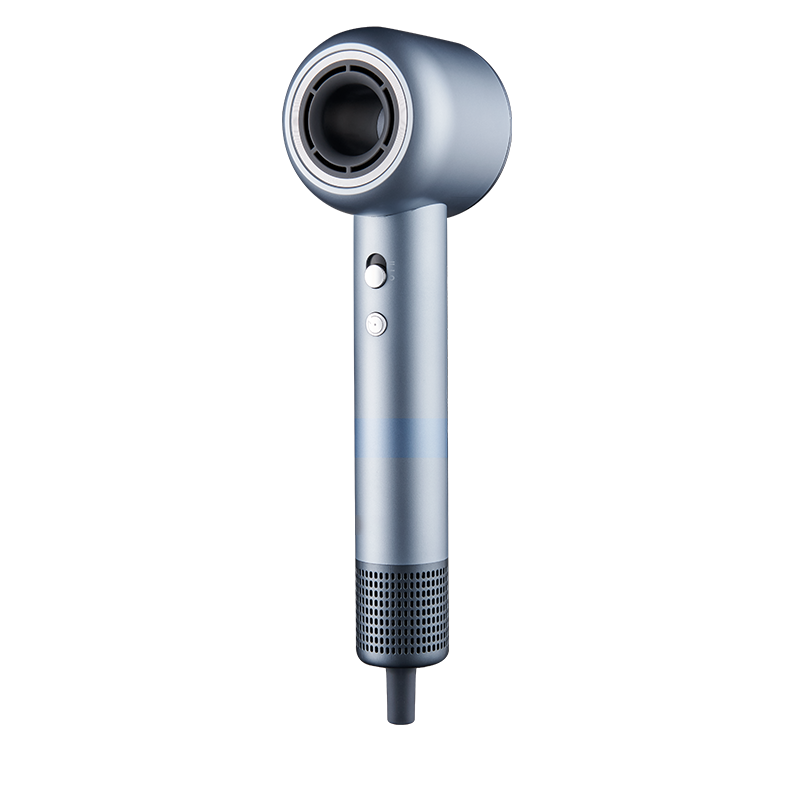
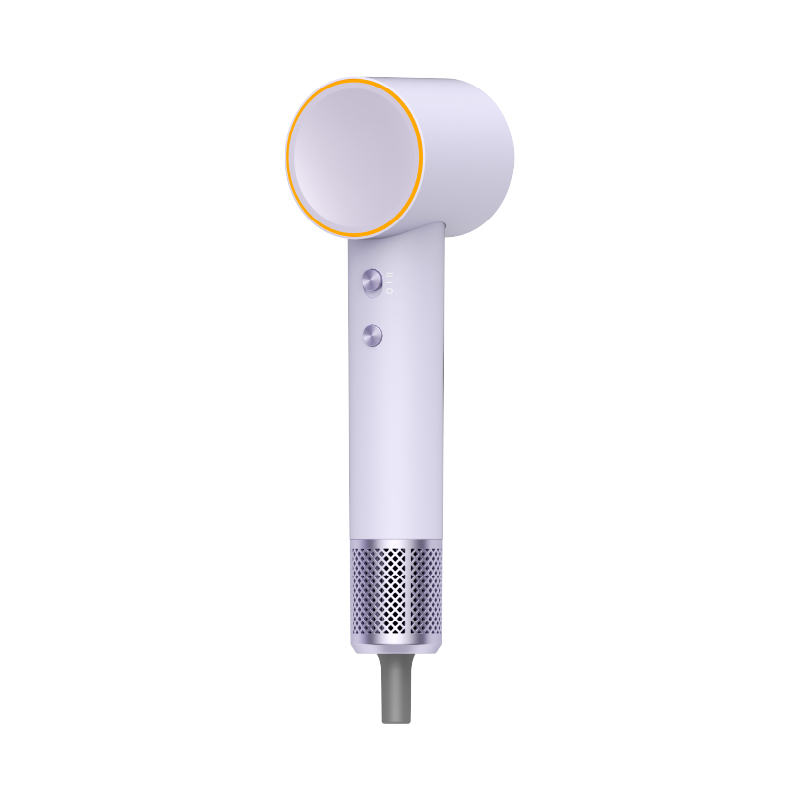
A multi-speed high speed dryer is useful here because it lets you move more air at a lower temperature. The KH801A multi-speed adjustable high speed hair dryer is one example of this setup, with separate control over airflow and heat for different stages of the blow dry.
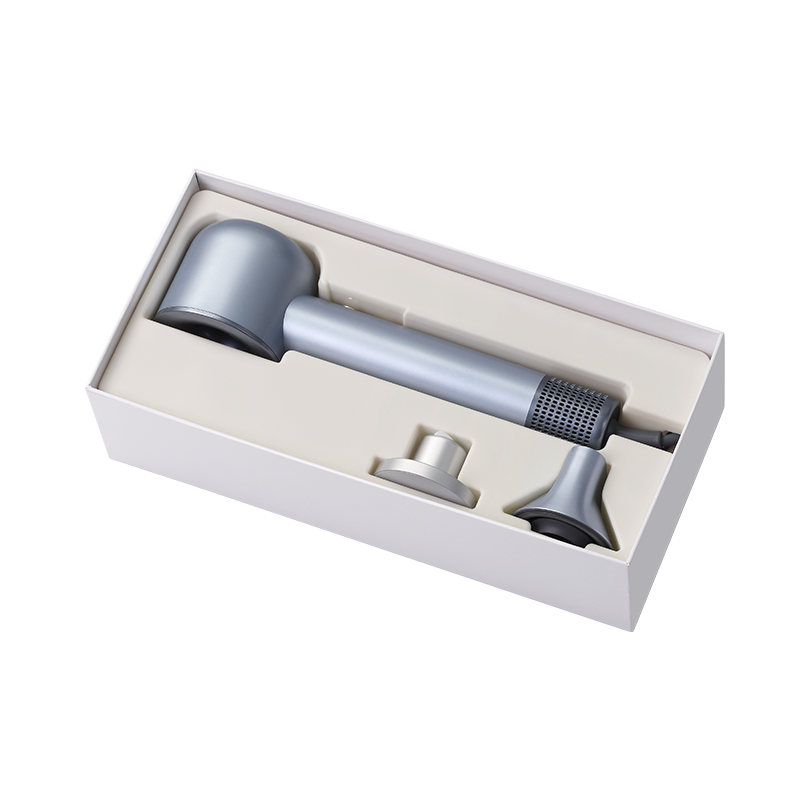 KH801A Multi-Speed Adjustable High Speed Hair DryerA multi-speed, adjustable high-speed dryer with separate airflow and heat controls, suited to staged blow-drying when more air at lower heat is useful.View Product →
Prep and Rough Dry to 80 Percent
Start with clean, detangled hair. Apply a heat protectant from the mid-lengths to the ends, then comb it through so the product is even. Do not load the roots with heavy oil or cream before blow drying. That weights the hair down and makes root lift harder to hold.
Remove most of the water before the round brush touches the hair. Tilt your head slightly and dry the roots first, using your fingers or a wide tooth comb to lift the hair away from the scalp. Keep the nozzle pointed down the hair shaft and move it continuously. When the hair feels cool and damp rather than wet, you are ready to section. For most long hair, that is around 80 percent dry.
This step is not optional. Rough drying cuts down the time the hair spends under direct heat, reduces frizz, and makes the round brush glide instead of drag. If your hair is fine, rough dry to 90 percent. If it is thick or coarse, 70 to 80 percent is usually enough to begin styling.
Section, Roll, and Direct the Airflow
Divide the hair into horizontal sections, starting at the back and working forward. Clip the top sections out of the way. Take subsections no wider than the brush barrel, usually 1 to 2 inches. Wider sections overload the brush, and the hair in the middle never gets enough tension.
- Place the round brush under the subsection near the roots.
- Roll the brush inward, away from the face, until the hair wraps around the barrel once.
- Point the concentrator nozzle down the hair shaft, following the angle of the brush.
- Move the dryer and brush down the section together. Do not hold the dryer in one spot.
- When you reach the ends, keep the brush in place for a few seconds, then release the roll and allow the hair to cool before dropping it.
The no-stick rule for long hair
Never roll long hair more than one full turn around the brush. More than that creates a knot that tightens as it cools. If the brush starts to feel stuck, stop, let the section cool completely, and unwind slowly. Pulling while the hair is hot stretches the fiber and damages the ends. Smaller sections and a slower roll solve most sticking problems.
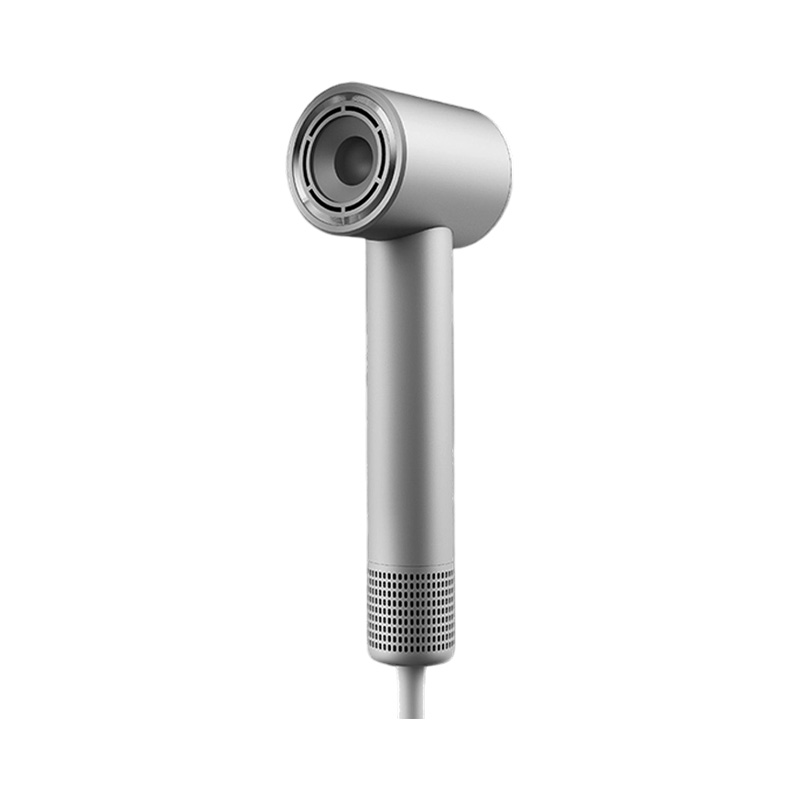
For a smoother surface, use a dryer with stable heat and a negative ion feature. The KH803B smart and efficient negative ion hair dryer is designed for this kind of finishing work, where airflow and temperature control matter more than raw heat.
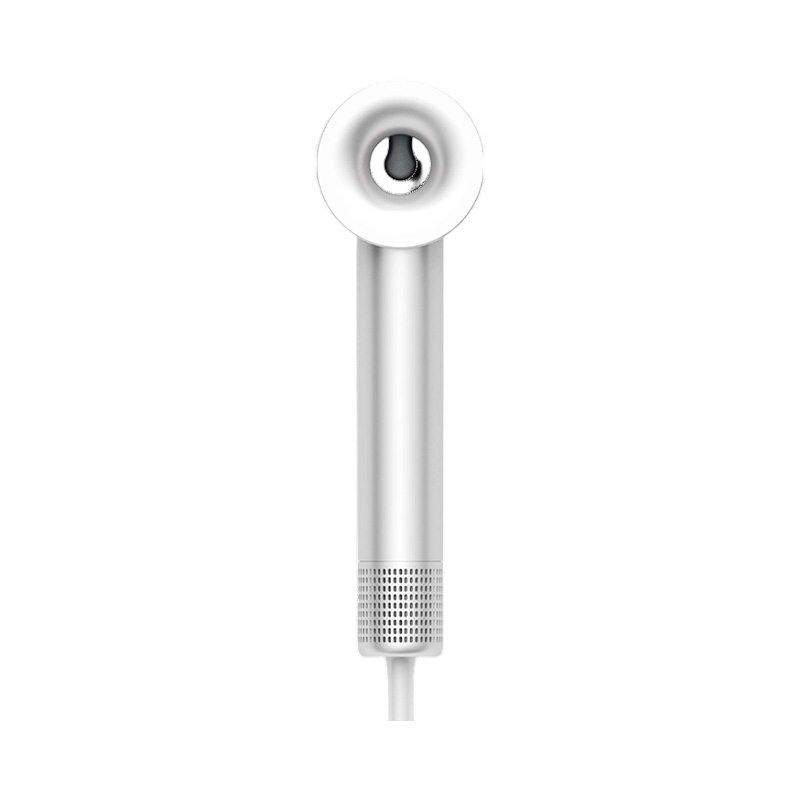 KH803B Smart Negative Ion Hair DryerA negative-ion dryer with intelligent temperature control and optimized airflow, intended for smoother finishing work where heat needs to stay controlled along lengths and ends.View Product →
Heat and Speed Settings That Protect Long Hair
Long hair holds heat, so the setting that works near the roots can be too hot at the ends. Change settings as you move through the head. Use medium heat for the lengths, then switch to cool air to set the shape. The cool shot is not a cosmetic extra. It helps the cuticle lie flat and gives the curl or bend a chance to hold.
| Stage | Speed | Heat | What to watch |
|---|---|---|---|
| Rough dry | High | Medium | Keep the nozzle moving and lift the roots |
| Root lift | Medium | Medium | Do not hold heat on one spot for more than a few seconds |
| Length smoothing | Medium | Medium to low | Keep tension and follow the brush with the airflow |
| Ends and cool set | Low | Cool | Hold the shape until the hair feels cool |
If your hair is fine or color treated, lower the heat one step and rely on airflow instead. If it is coarse and resists shape, preheat each section briefly, then finish with cool air. The goal is to shape the hair, not to bake it dry.
Fixes for Common Long Hair Problems
Most round brush problems come from three causes: too much water, too wide a section, or heat left in one place for too long. Check the symptom first, then change one variable at a time.
- Tangled at the brush: the section is too wide or still too wet. Rough dry more and use smaller subsections.
- Flat roots: the brush was placed too low. Start at the root, lift upward, and cool before moving down.
- Frizzy surface: the nozzle is pointed across the hair. Keep the airflow down the shaft.
- Style drops quickly: the hair was not cooled before release. Hold each section until it feels cool.
- Stringy ends: too much product or too much heat near the tips. Use less product and lower the heat for the last few inches.
Practice on the back sections first. They are easier to reach and less visible while you learn the coordination between brush angle, airflow direction, and tension.
What Salon Buyers and Private Label Teams Should Check
For salon use or private label programs, the round brush blowout puts specific demands on a dryer. Check airflow at the nozzle, temperature stability across the full dry, the fit of the concentrator, and the weight balance in the hand. A dryer that feels light in the showroom can feel heavy after twenty long hair blowouts. Noise level also matters in a busy salon, especially when several dryers run at once.
Control layout is another practical point. Separate heat and speed controls make it easier to rough dry at high airflow, then drop to low heat for the ends. Ionic output and cool shot performance are worth testing with real hair, not just on a spec sheet. For a technical look at airflow and motor design, see this comparison of high speed and regular dryers.
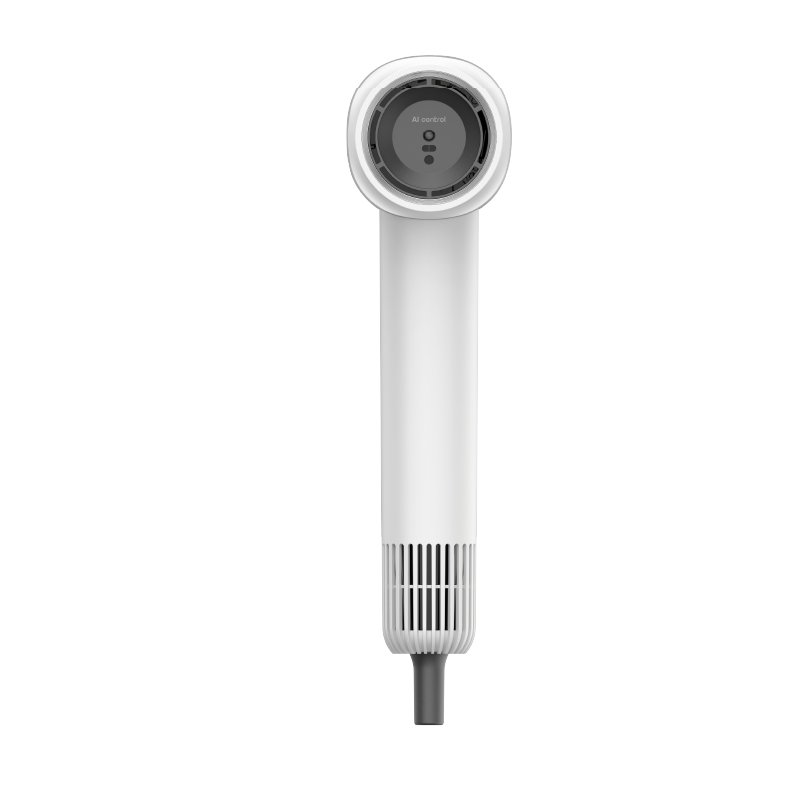
A 5-in-1 styling dryer can also reduce tool changes for long hair finishing. The KH802K 5-in-1 hair styling hair dryer is one option for teams that want one handle to cover drying and basic shaping, while still keeping a separate round brush for tension and control.
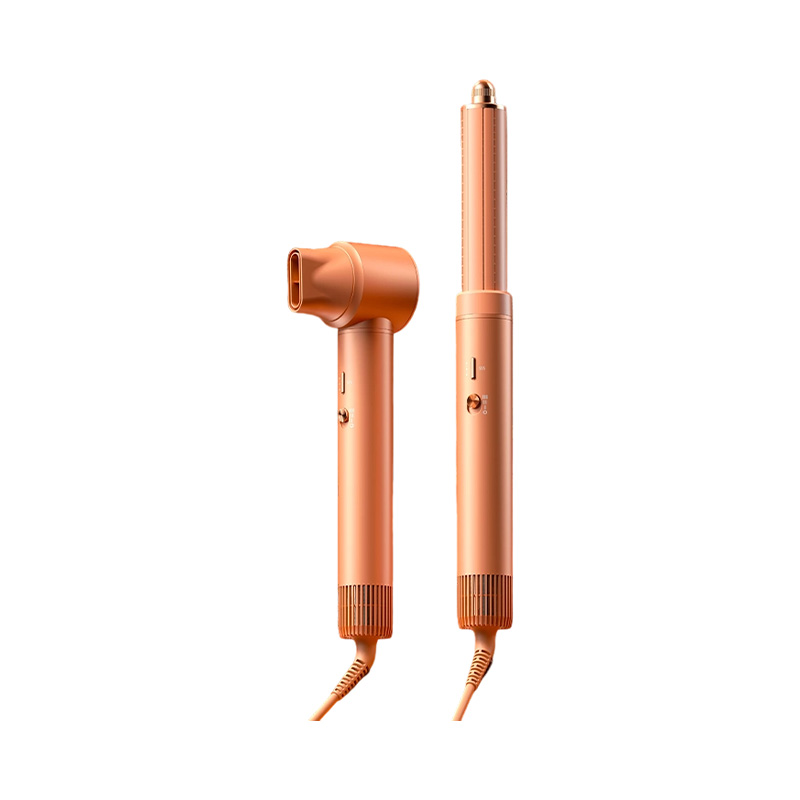 KH802K 5-in-1 Hair Styling Hair DryerA multi-function styling dryer with high-speed airflow and multiple heat and speed settings, useful for reducing tool changes while keeping a round brush for shaping.View Product →
Blow drying long hair with a round brush becomes predictable when you separate drying from styling. Rough dry to 80 percent, work in sections no wider than the brush, keep the nozzle pointed down the shaft, and cool each section before release. The brush creates the shape, but airflow direction and tension decide whether that shape lasts.
If you are choosing a dryer for regular round brush work, prioritize adjustable airflow, stable medium heat, a well fitted concentrator, and a cool shot that actually cools. Those details matter more than a long list of settings you never use.


 +86-574-63982198
 +86-574-63982197

 No. 933, Lingxu 2nd Road, Binhai Economic Development Zone, Cixi, Zhejiang, China.
