

 English
 中文简体
中文简体 Español
Content
- 1 Understanding the Advancements in Hair Dryer Safety and Efficiency
- 1.1 The Common Issues with Traditional Hair Drying Methods
- 1.2 What is Real-Time Monitoring in Hair Dryers?
- 1.3 How Automatic Temperature Control Benefits Your Hair and Scalp
- 1.4 Key Features to Look for in a Modern Hair Dryer
- 1.5 The Role of Technology in Personalized Hair Care
- 1.6 Making an Informed Choice: What Consumers Should Consider
- 1.7 The Future of Hair Drying: Trends and Innovations
- 1.8 Practical Tips for Using Smart Hair Dryers Effectively
Understanding the Advancements in Hair Dryer Safety and Efficiency
For many people, hair drying is a daily routine that often comes with concerns about heat damage, frizz, and scalp irritation. Traditional hair dryers rely on manual temperature settings, which can sometimes lead to overheating and harm hair health over time. As awareness grows about hair care, consumers are increasingly asking: "Is there a way to dry hair quickly while keeping it healthy?" This has spurred innovation in the beauty industry, leading to the development of smart hair dryers with real-time monitoring capabilities. These devices aim to provide a safer, more customized drying experience by leveraging technology to protect hair and scalp.
The Common Issues with Traditional Hair Drying Methods
Traditional hair dryers typically offer fixed heat settings, such as low, medium, and high. While convenient, these settings do not account for changes in hair condition or environmental factors. For instance, when hair is wet, excessive heat can strip moisture, causing dryness and breakage. Over time, repeated exposure to high temperatures may weaken hair strands, leading to split ends and reduced shine. Additionally, the scalp, being sensitive, can become irritated from prolonged heat exposure, potentially affecting hair growth. Many users report frustration with finding the right balance between drying speed and safety, prompting a search for better alternatives.
What is Real-Time Monitoring in Hair Dryers?
Real-time monitoring refers to a technology where a hair dryer continuously senses and adjusts its outlet temperature during use. This is achieved through built-in sensors that detect factors like hair moisture levels and ambient temperature. Unlike traditional models, which maintain a constant heat output unless manually changed, smart hair dryers with real-time monitoring can make automatic adjustments to ensure the air temperature remains within a safe range. This dynamic response helps maintain stable airflow while preventing sudden spikes in heat that could damage hair. Essentially, it mimics a more intuitive drying process, similar to how a thermostat regulates room temperature for comfort.
How Automatic Temperature Control Benefits Your Hair and Scalp
Automatic temperature control is a key feature in these smart devices. By monitoring conditions in real-time, the system can reduce heat when it senses that hair is drying out or increase it slightly for faster drying on damp sections. This gentle approach minimizes the risk of thermal damage, which is a common cause of hair brittleness and loss of elasticity. For the scalp, consistent moderate temperatures help avoid burns or dryness, promoting a healthier environment for hair follicles. Users often notice that their hair feels softer and looks shinier after switching to such technology, as it preserves natural oils and moisture better than conventional drying methods.
Below is a table comparing traditional hair dryers with smart hair dryers equipped with real-time monitoring:
| Feature | Traditional Hair Dryer | Smart Hair Dryer with Real-Time Monitoring |
|---|---|---|
| Temperature Adjustment | Manual settings, often fixed | Automatic, based on real-time sensors |
| Heat Consistency | Can fluctuate or overheat | Stable output with fewer spikes |
| Hair Protection | Relies on user judgment | Built-in safeguards to reduce damage |
| Scalp Care | May cause irritation from high heat | Gentler airflow tailored to scalp sensitivity |
| Energy Efficiency | Often consumes more power due to constant heat | Can optimize energy use by adjusting temperature |
Key Features to Look for in a Modern Hair Dryer
When considering an upgrade to a smart hair dryer, it's helpful to understand the features that contribute to better performance. Beyond real-time monitoring, look for devices with multiple airflow settings, lightweight designs for ease of use, and noise reduction technology. Some models also include attachments like diffusers or concentrators for styling versatility. The core of a smart hair dryer, however, lies in its ability to adapt to your hair's needs. For example, a good system will balance drying speed with safety, ensuring that you don't have to compromise between time and hair health. It's also beneficial to choose a dryer with durable materials and easy maintenance, as these factors enhance longevity.
The Role of Technology in Personalized Hair Care
Personalization is becoming a trend in beauty appliances, and smart hair dryers are no exception. With real-time monitoring, these devices can offer a customized experience based on individual hair types—whether fine, thick, curly, or straight. For instance, curly hair might require lower heat to prevent frizz, while thick hair may benefit from slightly warmer air for efficient drying. By automatically adjusting to such variations, smart hair dryers reduce the guesswork for users, making hair care more accessible and effective. This technology aligns with a broader shift toward wellness-focused products that prioritize long-term benefits over short-term results.
Here is a table outlining typical features found in smart hair dryers with real-time monitoring:
| Feature | Description | Potential Benefit |
|---|---|---|
| Smart Temperature Control | Automatically adjusts outlet temperature using sensors | Helps prevent hair damage from overheating |
| Stable Airflow | Maintains consistent air output for even drying | Reduces drying time and heat exposure |
| Lightweight Design | Ergonomic build for comfortable handling | Eases use during longer styling sessions |
| Multiple Attachments | Includes nozzles or diffusers for styling options | Enhances versatility for different hair textures |
| Noise Reduction | Engineered to operate quietly | Improves user experience, especially in quiet environments |
Making an Informed Choice: What Consumers Should Consider
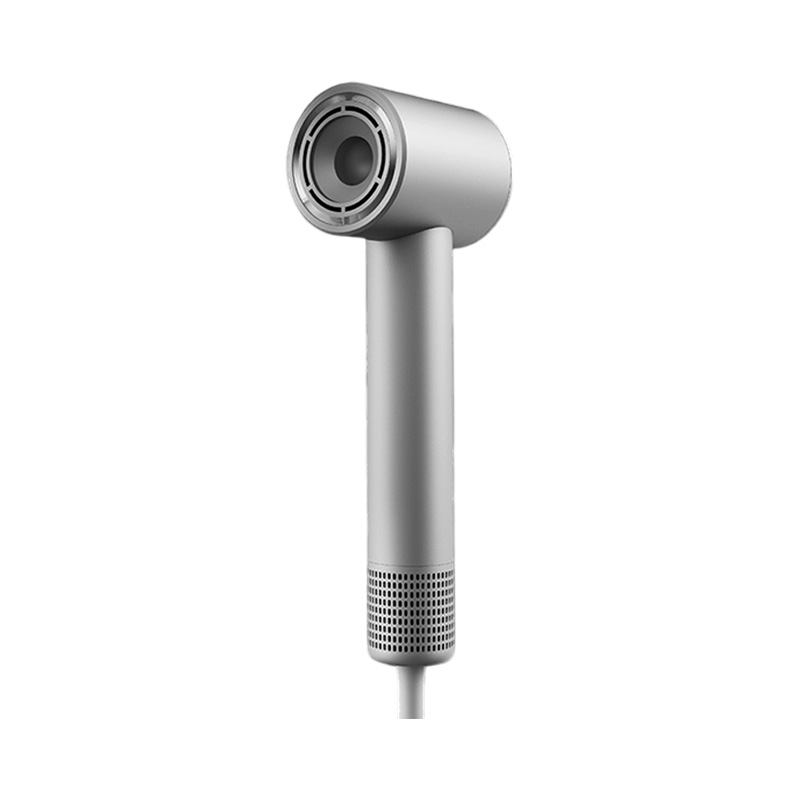
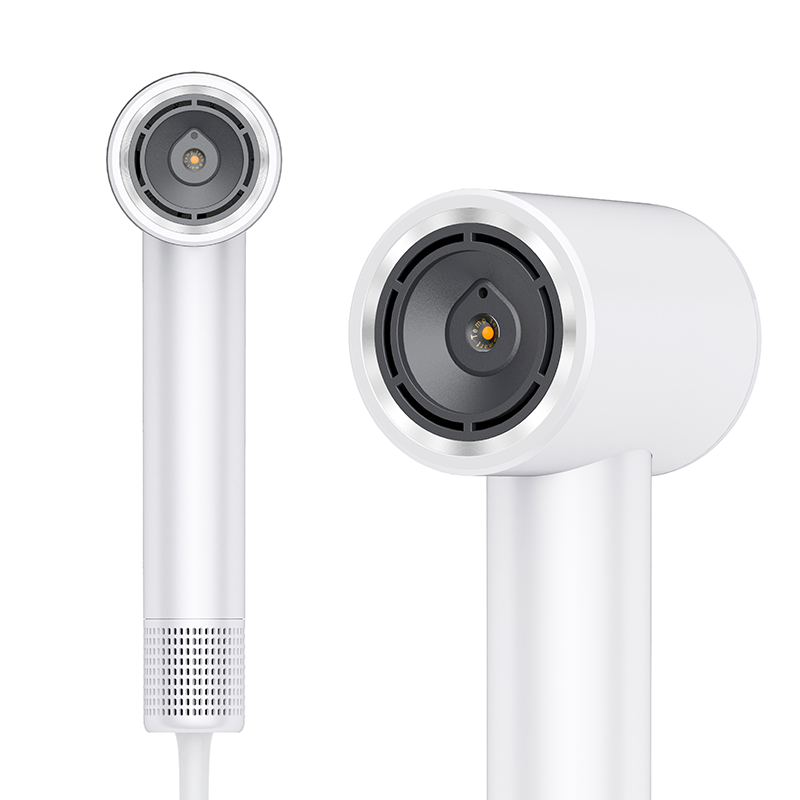
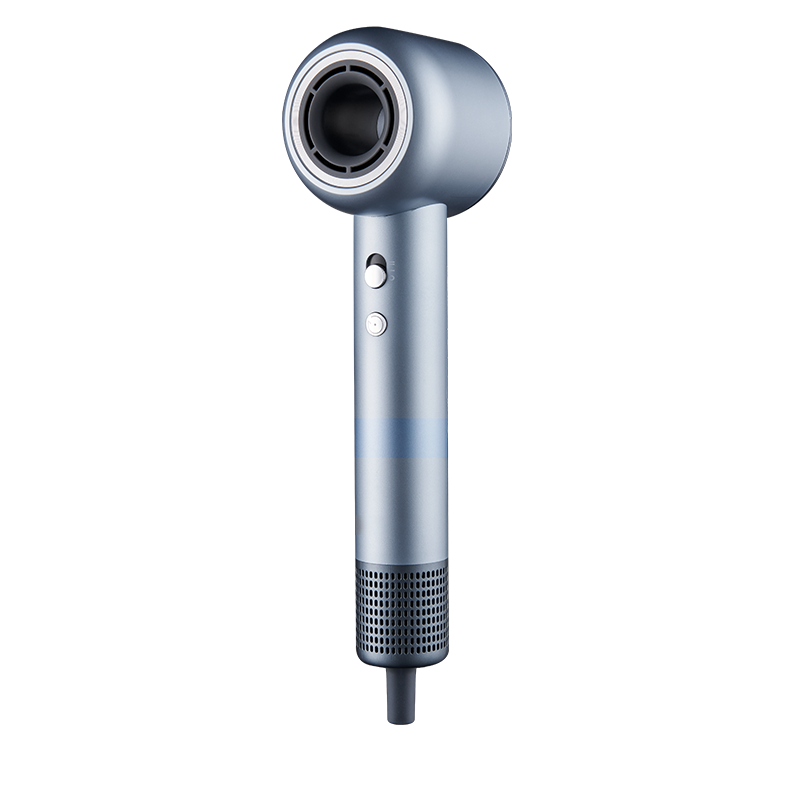
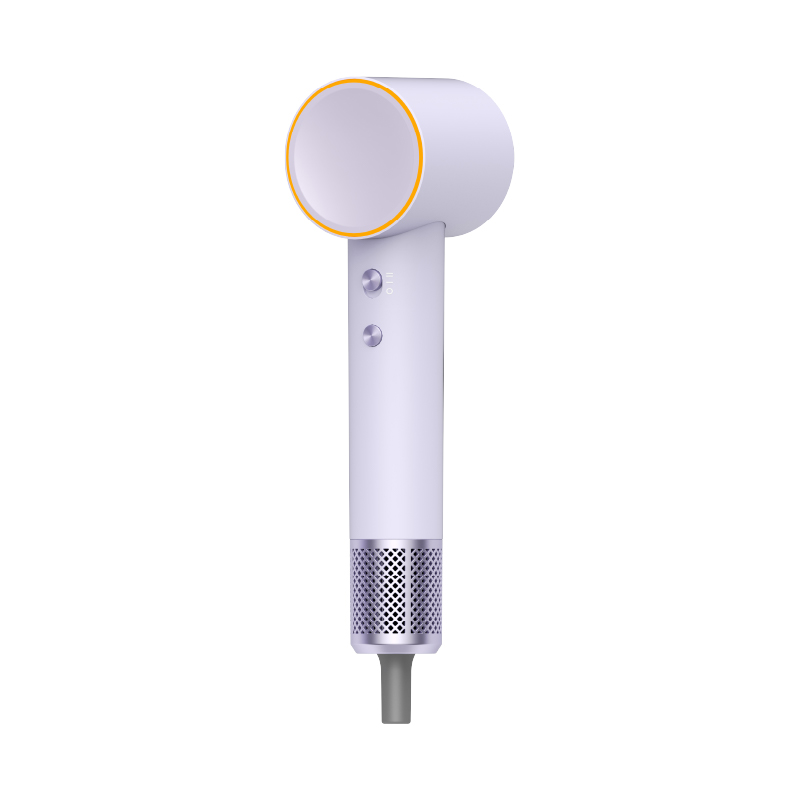
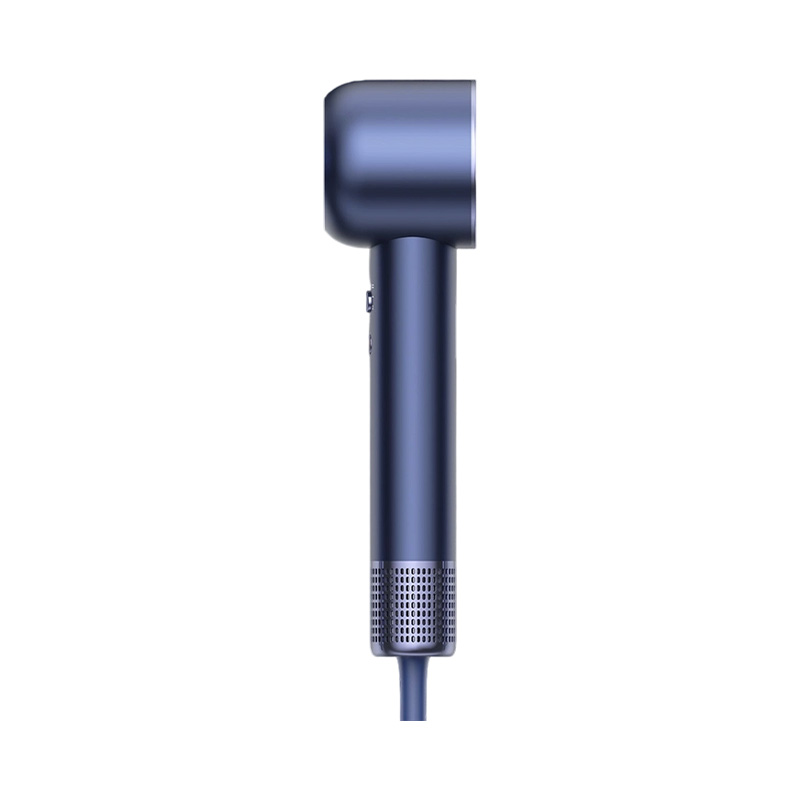
Selecting a hair dryer involves more than just picking the latest model. Consumers should assess their hair type, drying habits, and budget. For those prone to heat damage, a smart hair dryer with real-time monitoring can be a worthwhile investment. It's advisable to read reviews and check for certifications that ensure safety standards. Additionally, consider the dryer's power rating—measured in watts—as this affects drying speed, but balance it with temperature control features to avoid excessive heat. One example of such a device is the KH-803B Smart hair dryers with real-time monitoring, which incorporates advanced temperature regulation to support hair health. Remember, the goal is to find a dryer that aligns with your specific needs while offering reliable performance.
The Future of Hair Drying: Trends and Innovations
Looking ahead, the hair dryer market is likely to see further integration of smart technology. Innovations may include connectivity with mobile apps for tracking hair health, voice control for hands-free operation, or even AI-driven insights based on user data. These advancements aim to make hair care more interactive and tailored. However, the foundation remains centered on protection and efficiency. Real-time monitoring sets a standard for safety, and as more brands adopt similar features, consumers can expect a wider range of affordable options. This evolution reflects a growing emphasis on holistic beauty tools that not only style but also nurture hair over time.
Practical Tips for Using Smart Hair Dryers Effectively
To maximize the benefits of a smart hair dryer, users can follow simple practices. Start by towel-drying hair gently to remove excess moisture before using the dryer. Hold the dryer at a moderate distance from your hair—typically 6 to 8 inches—to allow even heat distribution. Use the attachments provided, such as a concentrator for targeted drying or a diffuser for curly hair, to enhance results. Since smart hair dryers adjust temperature automatically, avoid frequently switching settings manually, as this can interrupt the monitoring process. Regularly clean the dryer's filter to maintain airflow efficiency. By combining these habits with the technology's features, you can achieve healthier drying outcomes.
In summary, smart hair dryers with real-time monitoring represent a significant step forward in hair care technology. They address common concerns about heat damage by offering automated temperature control that adapts to real-time conditions. While no product can guarantee complete immunity from harm, such devices provide a helpful layer of protection for both hair and scalp. As consumers become more informed, the demand for these innovations is expected to rise, driving further improvements in the industry. Whether you're a daily user or occasional stylist, exploring smart hair dryers can be a valuable part of your hair care routine, contributing to better long-term health and appearance.
 Previous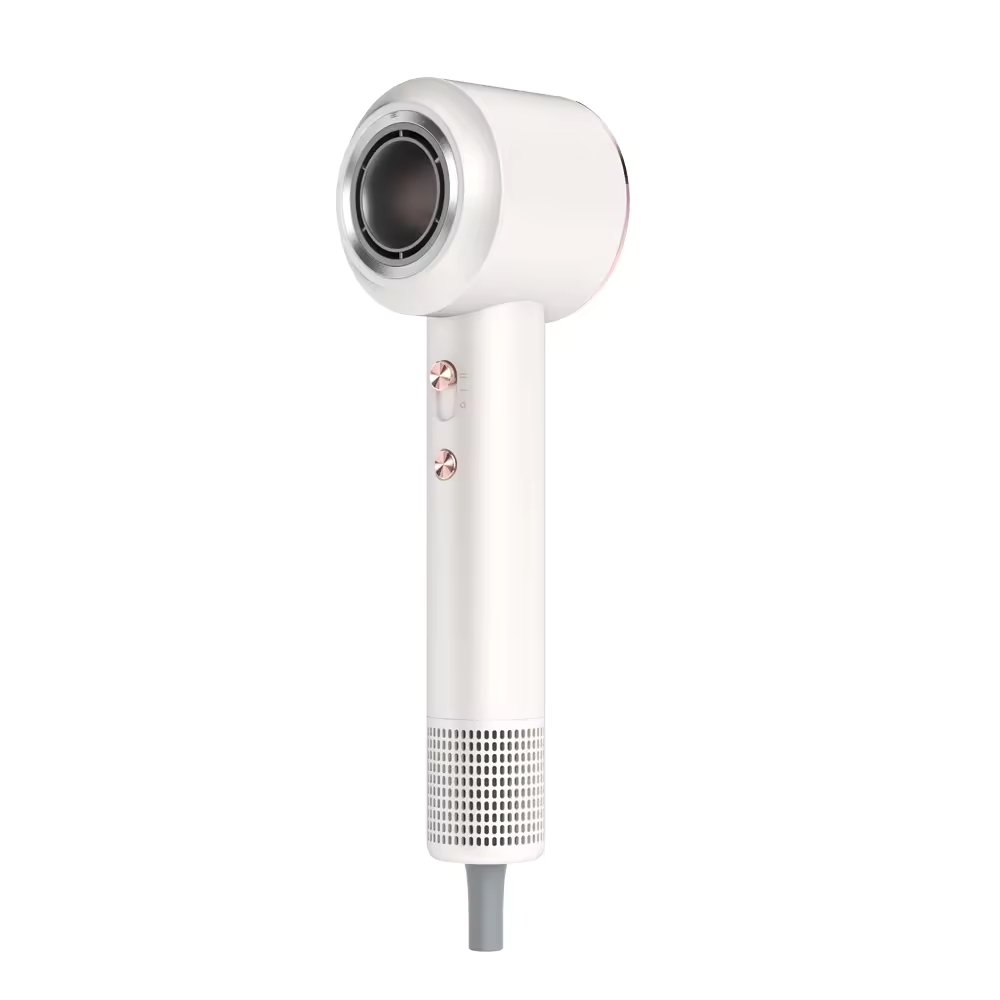

 +86-574-63982198
 +86-574-63982197
 No. 933, Lingxu 2nd Road, Binhai Economic Development Zone, Cixi, Zhejiang, China.