

 English
 中文简体
中文简体 Español
Content
- 1 Best Straightening Temperatures by Hair Type
- 2 Why the Number on the Dial Is Only Half the Story
- 3 How to Find Your Personal Ceiling in Three Passes
- 4 Fahrenheit and Celsius Without Guesswork
- 5 Where Heat Damage Really Comes From
- 6 What Buyers and Product Teams Should Specify
- 7 A Straightening Routine That Holds Up
- 8 Quick Answers to Common Questions
Someone with fine, highlighted hair sets a flat iron to 410°F, gets a smooth result in one pass, and repeats the routine twice a week. Six weeks later the ends are snapping at the slightest tug. The same setting on thick, coarse hair may leave waves behind after four passes, so the dial keeps creeping up. Both cases come down to the same mistake: choosing a temperature from a chart instead of from the hair in front of you.
The short answer comes first. Most healthy, medium-textured hair straightens cleanly between 325°F and 375°F. Fine, thin, or chemically treated hair belongs lower, at 250°F to 320°F. Thick, coarse, or tightly curled hair can take 380°F to 410°F. The best temperature is the lowest one that lets a single slow pass finish the section without pulling, and it shifts with moisture, porosity, product buildup, and the iron itself.
Best Straightening Temperatures by Hair Type
These ranges reflect the common ground between stylist guidance and appliance testing, and every row assumes completely dry hair. Use them as a starting point, then adjust by feel.
| Hair type and condition | Typical setting | Celsius | Notes |
|---|---|---|---|
| Fine, fragile, or thin | 250°F to 300°F | 120°C to 150°C | One pass, small sections |
| Bleached, highlighted, or color-treated | 250°F to 320°F | 120°C to 160°C | Protectant is not optional |
| Medium, wavy, healthy | 330°F to 370°F | 165°C to 190°C | 350°F is the common default |
| Thick, coarse, or tightly curled | 380°F to 410°F | 195°C to 210°C | Dry hair only, two passes maximum |
| Chemically relaxed or keratin-treated | 300°F to 340°F | 150°C to 170°C | Follow the treatment provider's advice |
Notice how wide the gaps are. A 60°F difference between fine and coarse hair is not a rounding error; it is the distance between a smooth cuticle and one that has been cooked. If your hair is fine but you have a great deal of it, stay in the fine range and cut smaller sections instead of raising the heat.
Why the Number on the Dial Is Only Half the Story
The number on the display is the target temperature of the heating element, not the temperature that reaches your hair. Three things pull those two figures apart: plate mass, sensor placement, and contact time.
Plate material and mass decide how much heat the iron holds when it meets cool or slightly damp hair. Thin aluminum plates with a basic thermostat can drop 40°F on contact and overshoot while recovering. Thicker plates with a ceramic or tourmaline coating hold steadier, which is why the same 350°F setting can behave like two entirely different tools.
Sensor placement and pass speed do the rest. A sensor sitting next to the heater reads higher than the plate surface, so a budget unit may show 350°F while delivering closer to 310°F. A 350°F iron held on one section for six seconds can also push more heat into the strand than a 410°F iron swept through in two. Damp hair is the worst case of all: water flashes to steam inside the strand and lifts the cuticle before the section is anywhere near straight.
A styling tool designed around closed-loop temperature control rather than a fixed-wattage element keeps the plate where the chart says it should be, which is what makes a moderate setting reliable instead of a gamble.
How to Find Your Personal Ceiling in Three Passes
You can replace the theory with a five-minute test on your own hair.
- Start at least 50°F below the top of your range, for example 300°F for medium hair, and test a one-inch section behind the ear.
- Make one slow pass from root to tip at a steady speed. If the section is not smooth, raise the setting by 20°F to 25°F and test a fresh strand.
- Stop at the first setting that gives one clean pass. That figure is your ceiling, not your everyday setting.
- Write the number down and recheck it after any color, bleach, or keratin service, and again when the weather turns humid.
Fahrenheit and Celsius Without Guesswork
Imported irons and travel models often label heat in Celsius, and the two scales rarely line up with the buttons on the handle.
- 250°F equals 120°C
- 300°F equals 150°C
- 320°F equals 160°C
- 350°F equals 175°C
- 375°F equals 190°C
- 400°F equals 205°C
- 410°F equals 210°C
- 450°F equals 230°C
If the lowest steps on a budget iron read 160°F, 180°F, and 200°F, those are below what most hair needs and usually lead to more passes, not less damage.
Where Heat Damage Really Comes From
Temperature takes the blame, but the damage usually comes from how the heat is applied.
- Straightening hair that is still damp, which turns water into steam inside the strand.
- Four or five fast passes at a high setting instead of one slow pass at a moderate one.
- Skipping heat protectant, or applying it to the ends only instead of the whole section.
- Product buildup and hard water film, which make the plates drag and force extra passes.
- Dragging the iron across the strand instead of gliding, which stretches and weakens the fiber.
Pre-drying is the step most people underrate. Pulling 80 to 90 percent of the water out with a dryer on medium heat takes two minutes and lets you straighten at a lower setting. High-speed dryers with real-time temperature monitoring are built for exactly this job, and the gap between a controlled pre-dry and a rough towel dry shows up directly in how much heat the iron needs afterwards. If you want the technical background, this comparison of high-speed and regular hair dryers explains why airflow and heat control matter more than raw wattage.
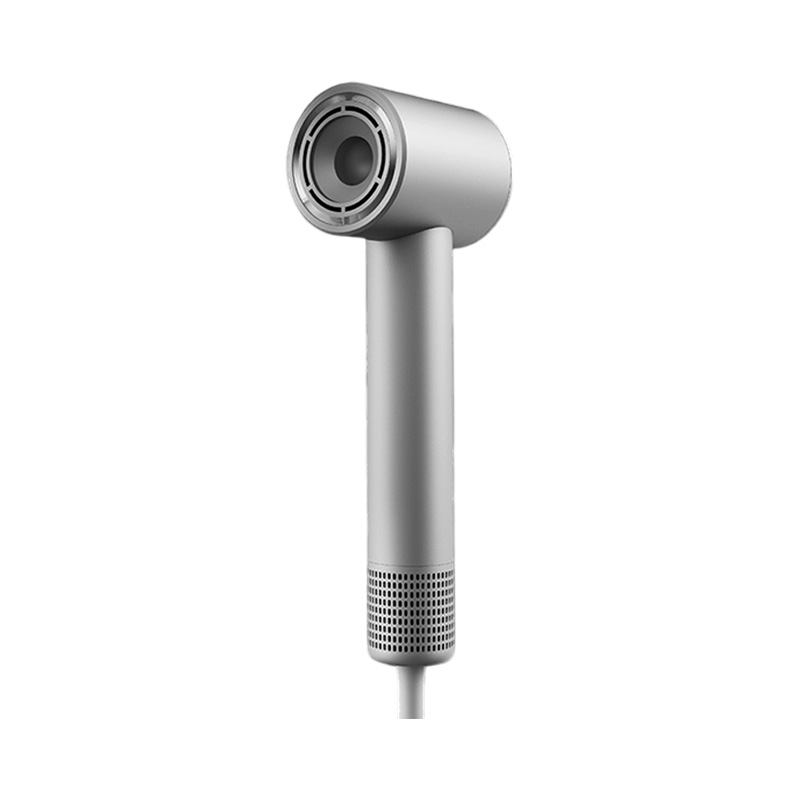
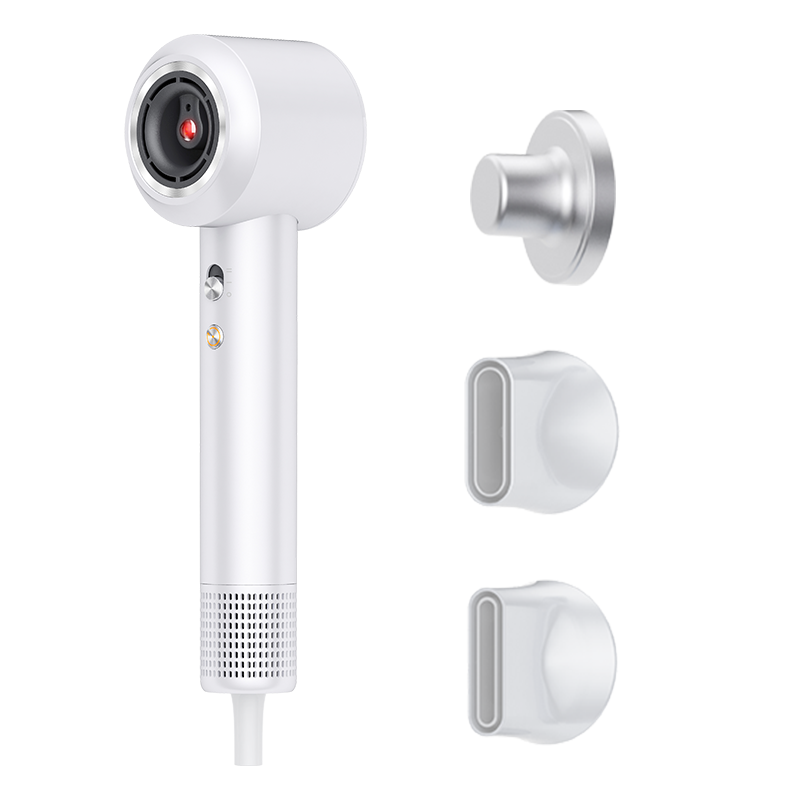
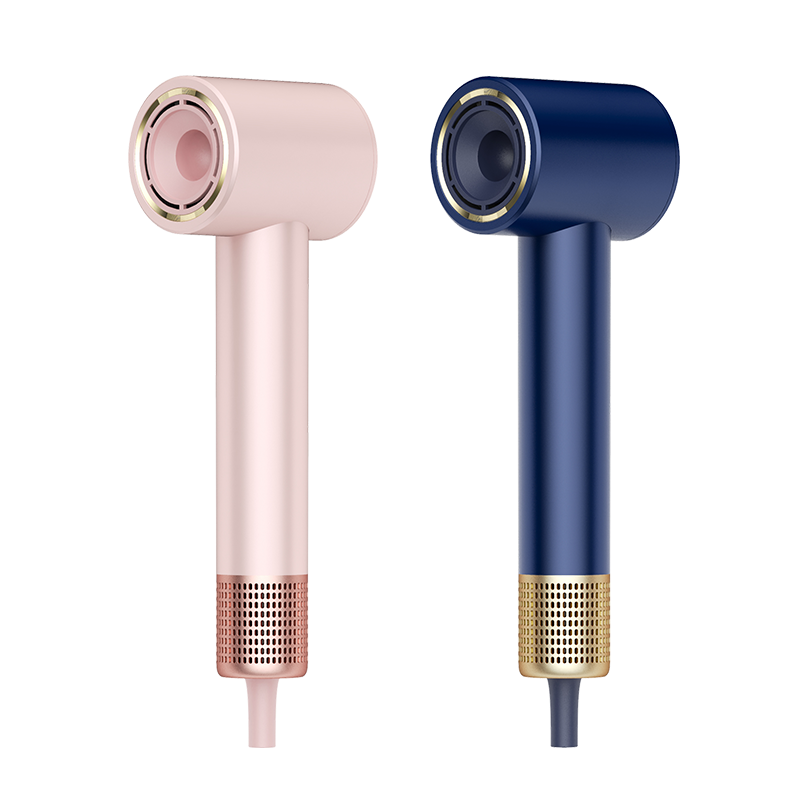
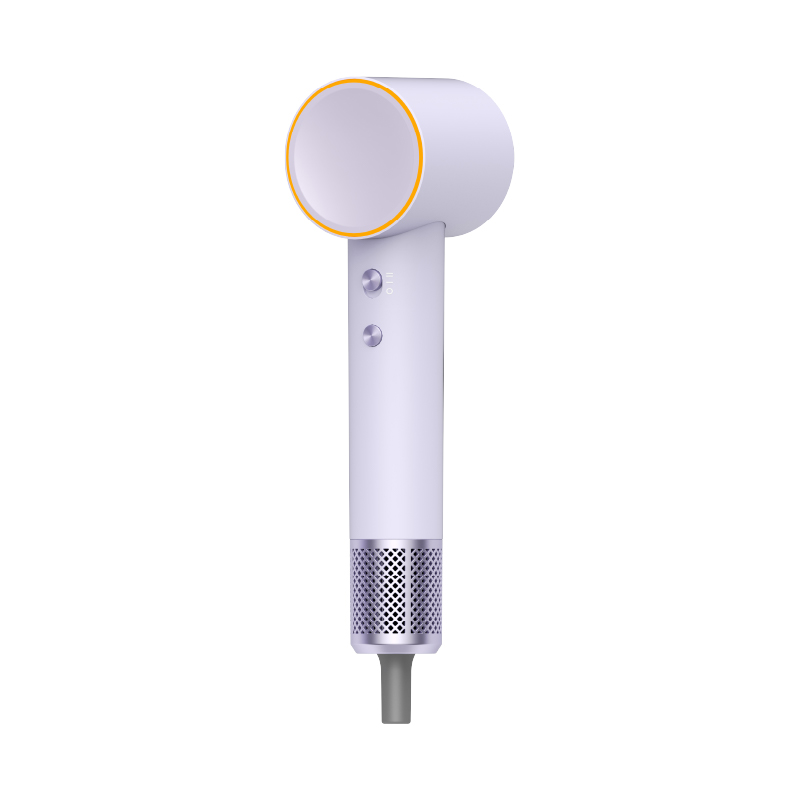
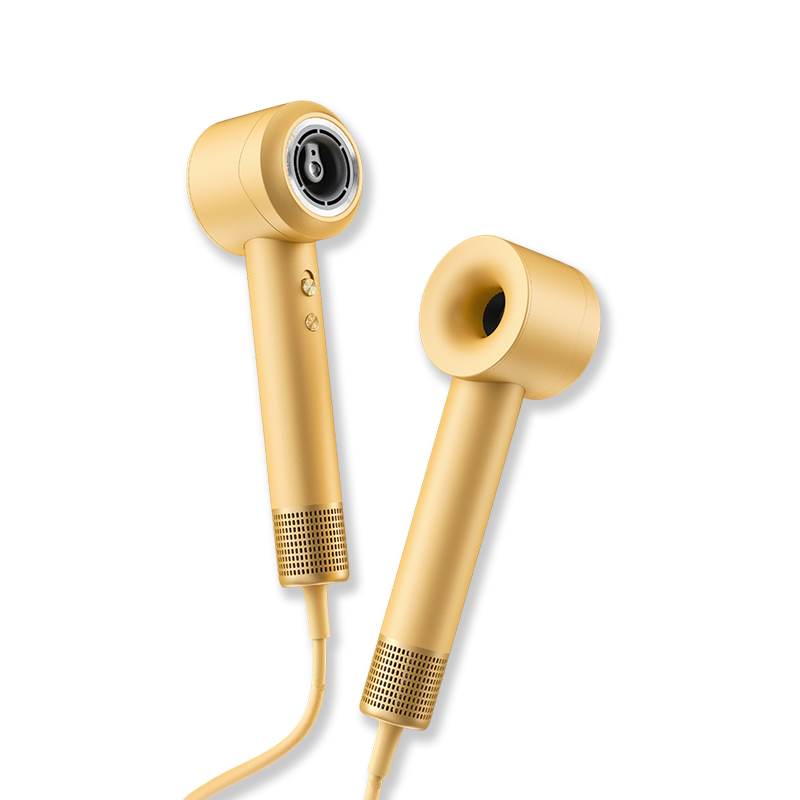 KH-803C Smart Temperature Control High-Speed Hair DryerFor controlled pre-drying before styling, this 1400W dryer pairs real-time temperature control with high-speed airflow and low-noise operation.View Product →
What Buyers and Product Teams Should Specify
If you are sourcing styling tools rather than using one, the temperature chart is only the front end of the conversation. The specification that decides whether a product keeps its promise is accuracy under load.
- Displayed plate temperature within plus or minus 5°C across the full range, measured after ten minutes of continuous use, not only at warm-up.
- An NTC thermistor or equivalent sensor on the plate, paired with simple closed-loop control, rather than a bimetal thermostat near the heater.
- Heat recovery under 15 seconds after a pass on damp hair, which is where low-cost designs fall apart first.
- Even plate pressure and a coating that does not chip, since uneven contact pushes users to turn the dial up.
- Auto shutoff after 15 to 30 minutes, dual voltage support, and certification for the target market.
Buyers should ask for one number that rarely appears on a spec sheet: the actual plate temperature after ten minutes at the 350°F setting. Brands that develop the heating platform in-house, as we do through our OEM and ODM hair care appliance work, can usually hold that figure within plus or minus 5°C. Trading companies reselling generic tooling often cannot, and that is where most scorching complaints and returns begin.
A Straightening Routine That Holds Up
The temperature is only useful inside a routine that supports it.
- Wash and condition, then rinse with cool water to smooth the cuticle.
- Dry completely. Any cool spot left in the hair becomes steam under the plates.
- Apply a heat protectant along the whole length and comb it through.
- Section hair into pieces no wider than the plates and clip the rest out of the way.
- Make one slow pass at your tested setting, then hold the section straight for a few seconds while it cools.
- Finish with a drop of light oil on the ends and leave the scalp alone until the next wash.
Aftercare matters more than most people expect. Heat styling tightens the scalp, and scratching it the next morning usually ends in more breakage. A scalp massage comb with soft rounded teeth is the quiet tool in this routine: it lifts dead skin, moves product through the roots, and adds no heat exposure at all.
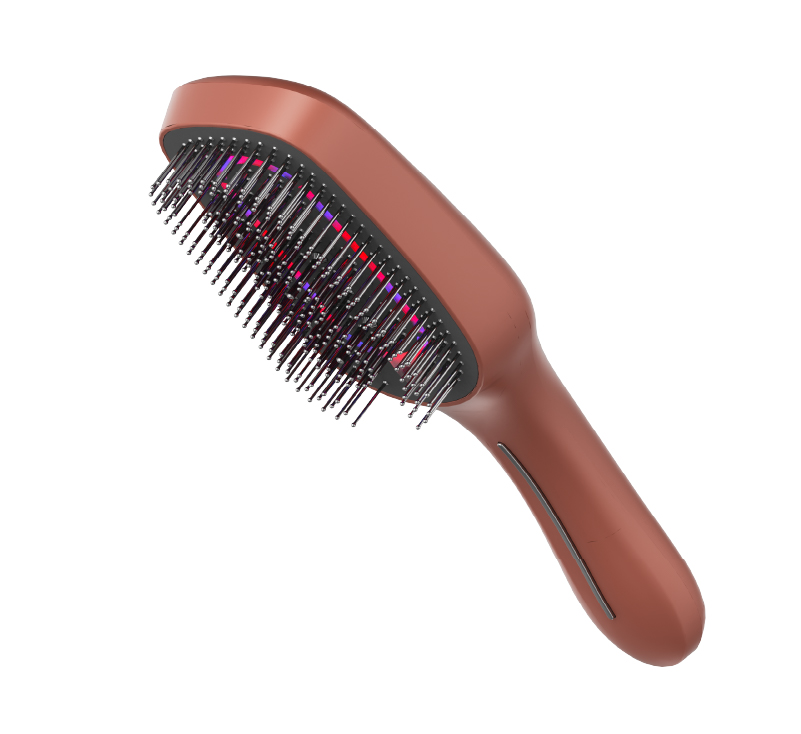 KH-861 Waterproof Scalp Massage Comb with Liquid GuideFor aftercare routines, this IPX7 waterproof scalp comb uses elastic buffer teeth and a rolling ball liquid guide for dry or wet massage.View Product →
Quick Answers to Common Questions
Is 450°F ever safe?
Only for very coarse, resistant hair, with a protectant and one quick pass. For fine, bleached, or already damaged hair it sits well past the point where cuticle proteins begin to break down.
Does a higher temperature mean fewer passes and less damage?
Not automatically. A hot pass that drags or needs repeating causes more harm than two smooth moderate passes.
Should the setting change with the seasons?
Yes. Humid summer air adds moisture to the hair, so a lower setting and a slower pass often work better, while dry indoor winter air brings static without needing extra heat.
Pick the lowest setting that gives one clean pass, write it down, and treat every 20°F above it as a withdrawal from your hair's tolerance. The chart gets you into the right range, and the single test pass tells you where you actually belong. That test takes less time than one rushed styling session and saves months of split ends.
 Previous

 +86-574-63982198
 +86-574-63982197
 No. 933, Lingxu 2nd Road, Binhai Economic Development Zone, Cixi, Zhejiang, China.