

 English
 中文简体
中文简体 Español
Content
A hair dryer is an electrical appliance that blows a stream of heated or ambient-temperature air through wet or damp hair to accelerate evaporation and drying. It combines a motor-driven fan and a heating element in a handheld housing, with controls that adjust airflow speed and heat level. Hair dryers are one of the most widely used personal care appliances globally, found in homes, hotels, salons, and gyms. Beyond drying, they are also used to set hairstyles, smooth frizz, and support other hair tools such as round brushes and diffusers during the styling process.
How a Hair Dryer Works
The operating principle of a hair dryer involves three sequential processes:
- Air intake: a motor drives a fan that draws ambient air in through intake vents at the rear or sides of the housing
- Heating: the air passes over a resistive heating element (typically nichrome wire coiled around a mica insulator) and is raised to between 60°C and 120°C depending on the heat setting selected
- Output: the heated airstream exits through the nozzle at high velocity, impinging on the hair surface and accelerating the evaporation of water from the hair shaft
Most hair dryers include a thermal cutout safety device that shuts the appliance off automatically if the internal temperature exceeds a safe threshold — preventing overheating if the intake vents are blocked.
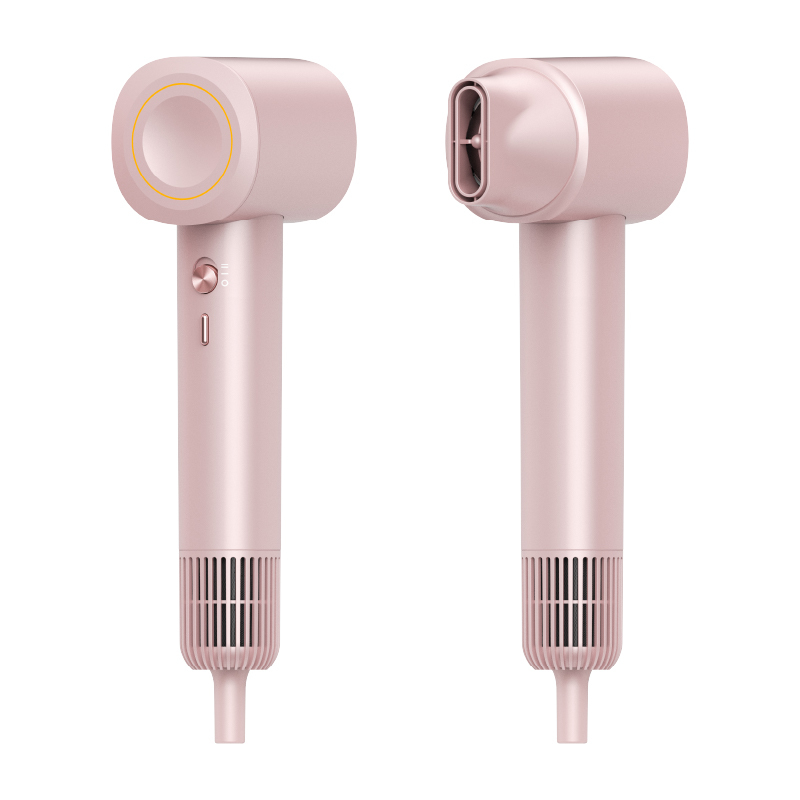
Traditional vs. High-Speed Hair Dryers
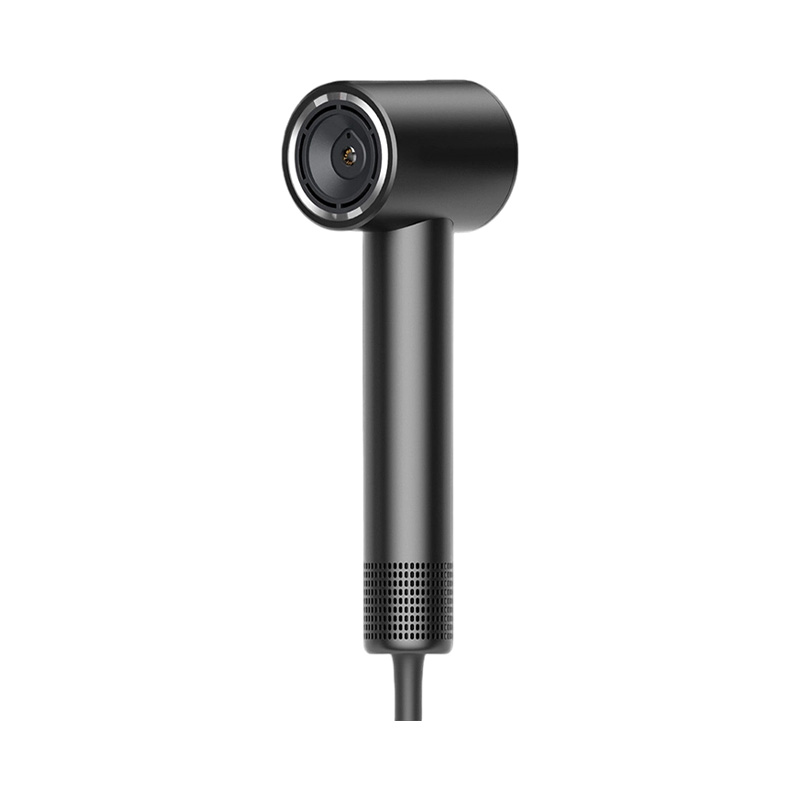
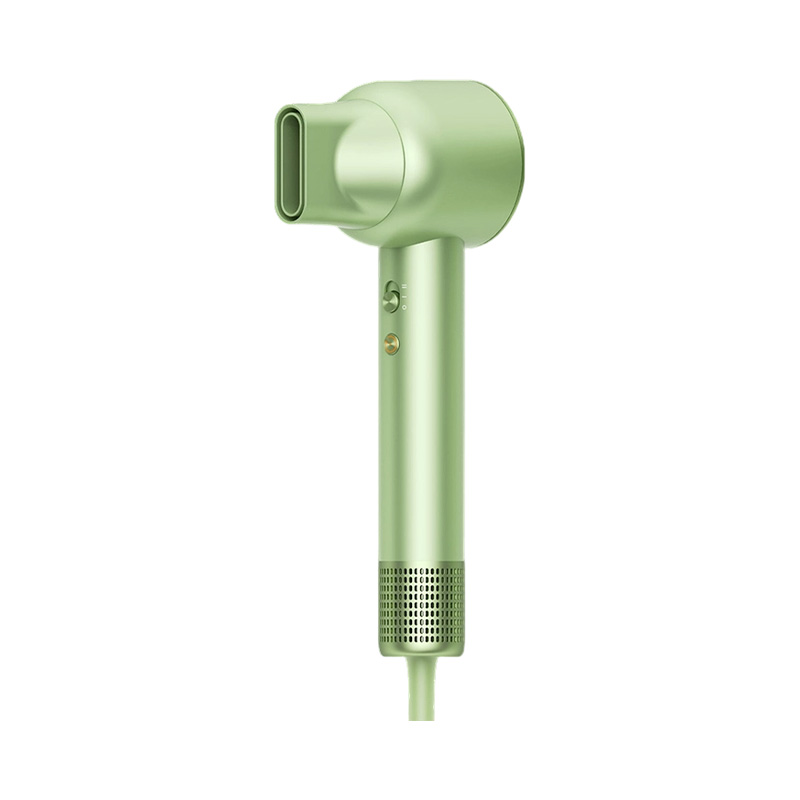
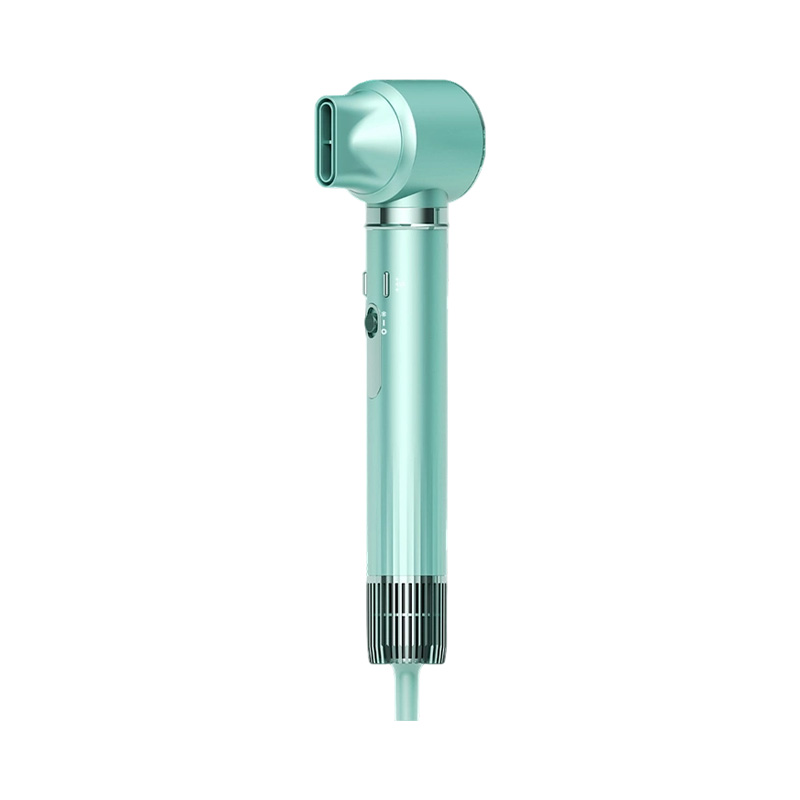
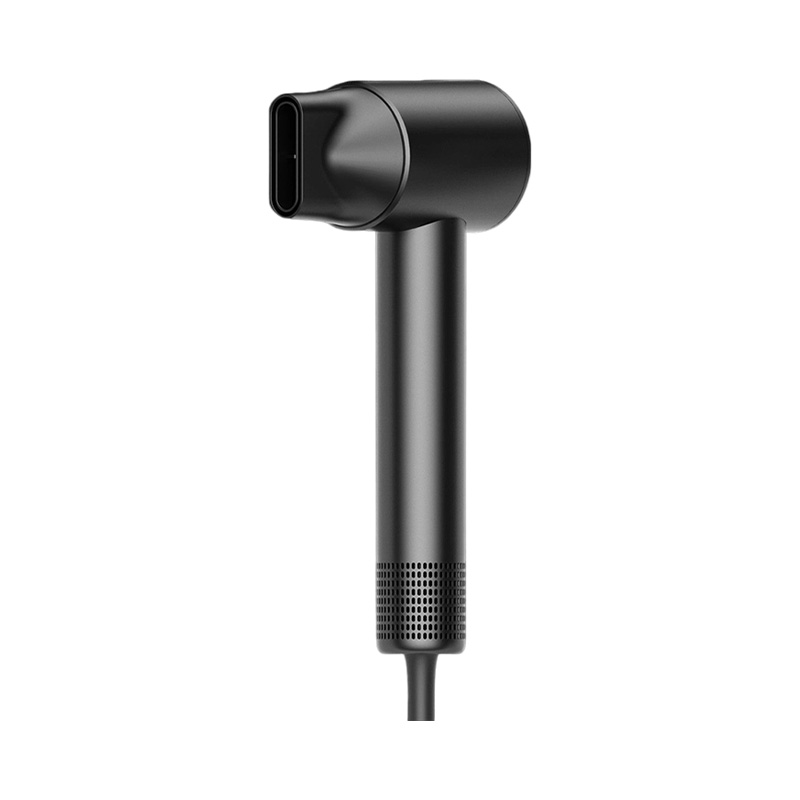
The majority of conventional hair dryers use high heat as the primary drying mechanism — raising hair surface temperature to speed evaporation. High-speed hair dryers take a fundamentally different approach: they use dramatically higher airflow velocity to physically remove water from the hair rather than evaporating it with heat. This distinction has important implications for hair health:
| Feature | Traditional Hair Dryer | High-Speed Hair Dryer |
|---|---|---|
| Primary drying mechanism | High heat evaporation | High-velocity airflow |
| Motor type | AC induction motor | Brushless DC motor (100,000+ rpm) |
| Operating temperature | 80–120°C | 60–80°C (lower, more controlled) |
| Hair moisture retention | Lower (heat strips moisture) | Better (lower heat preserves cortex) |
| Weight | Heavier (300–600g) | Lighter (200–350g) |
| Drying time | Standard | Faster (30–50% reduction reported) |
The Role of Negative Ion Technology
Many modern hair dryers — particularly high-speed models — incorporate negative ion generators. These emit negatively charged ions from the nozzle along with the airstream. The mechanism of action:
- Water molecule breakdown: negative ions break up the positively charged water droplets on the hair into smaller particles that evaporate more rapidly — reducing drying time even at lower heat settings
- Frizz reduction: negative ions neutralize the positive static charge on the hair surface that causes frizz and flyaways — the hair shaft cuticle lies flatter, resulting in smoother, shinier hair
- Moisture retention: the reduced drying temperature needed (because evaporation is more efficient with ion assistance) means less moisture is driven from the hair cortex — helping maintain hair elasticity and softness after drying
Key Features to Look for in a Hair Dryer
When selecting a hair dryer, these specifications have the most practical impact on performance and hair health:
- Wattage: 1,800–2,200W is standard for home use; professional salon dryers range up to 3,200W — higher wattage reduces drying time but increases energy use
- Multiple heat and speed settings: at minimum, two heat levels and a cool-shot button — the cool shot sets the style by fixing the hair's temporary hydrogen bonds after heat styling
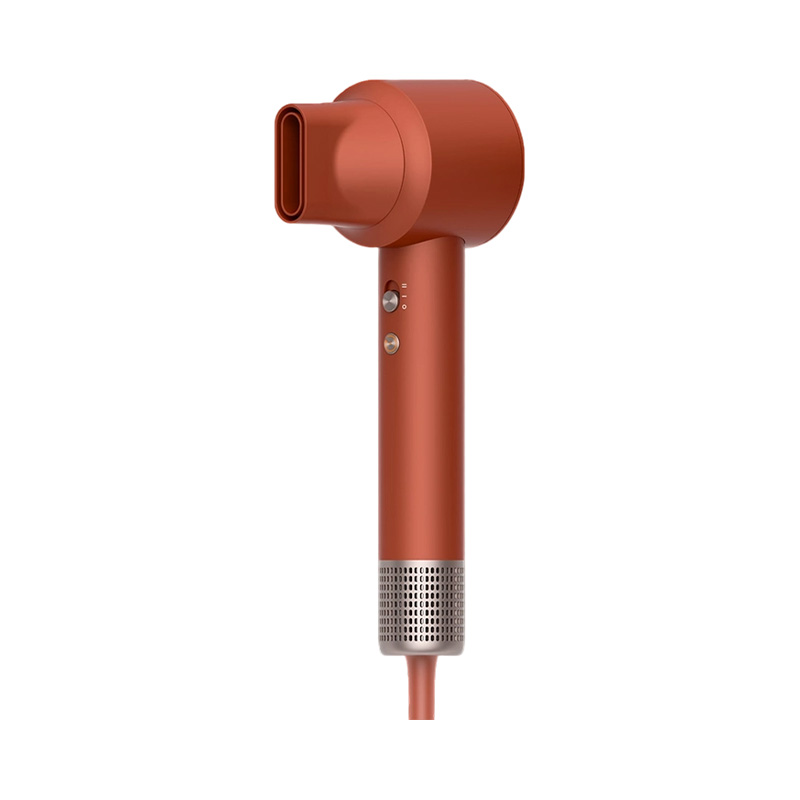
- Concentrator nozzle: the standard flat nozzle attachment directs airflow in a narrow stream for precise drying and smooth blowouts; a diffuser attachment distributes airflow gently for curly and wavy hair to preserve curl formation
- Cord length: a cord of at least 2.5–3 meters provides adequate reach from outlet to mirror without strain
- Noise level: conventional AC motor dryers operate at 75–85 dB; high-speed brushless motor dryers reduce this to 60–70 dB — a significant difference for morning use in shared living spaces
 Previous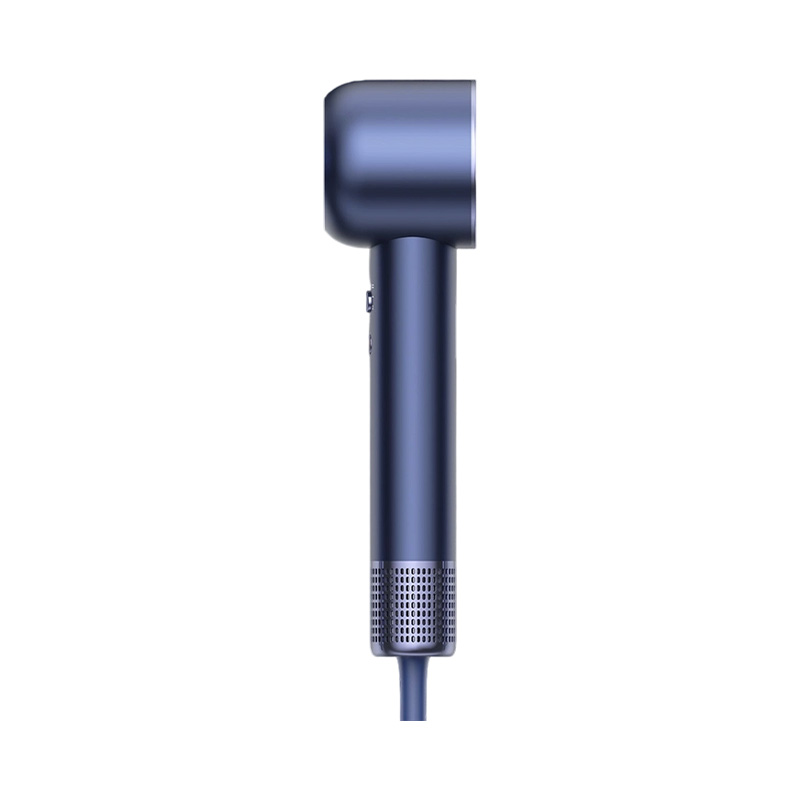

 +86-574-63982198
 +86-574-63982197
 No. 933, Lingxu 2nd Road, Binhai Economic Development Zone, Cixi, Zhejiang, China.